

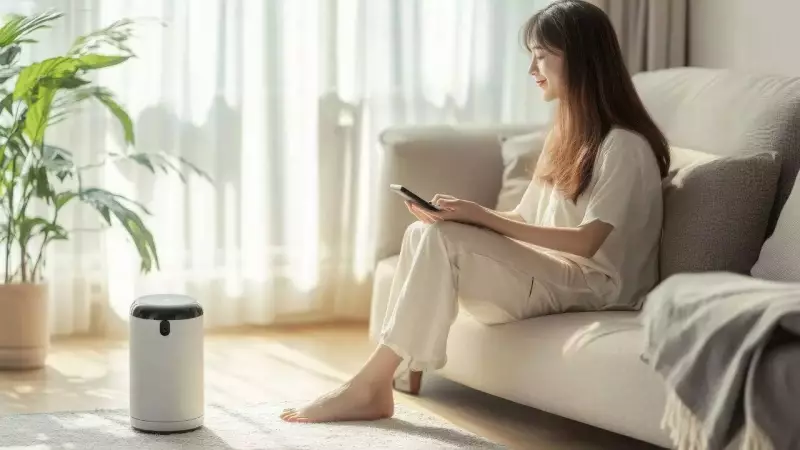
Many Indian households invest in an air purifier with a simple hope: to breathe cleaner, lighter air. Yet, a common domestic habit often throws a spanner in the works. Someone cracks open a window to let out cooking smells, reduce stuffiness, or simply break the silence, leaving the purifier humming in the corner. This instantly sparks a nagging doubt—is the device still cleaning the air, or is all that filtered air just escaping outside?
The Science Behind Filtration and Airflow
This dilemma exists because our homes are not sealed laboratories. Comfort and practicality frequently compete with the ideal conditions for purification. A peer-reviewed study cited on PubMed provides crucial insight. It indicates that air filtration effectively reduces fine particulate matter indoors when the air continuously cycles through the filter. The key condition is that the cleaned air should not leak away quickly. In simpler terms, an air purifier delivers optimal performance when windows and doors are shut, preventing the rapid exchange of indoor and outdoor air.
The Real-World Compromise: Balancing Fresh Air and Filtration
However, daily life rarely follows a single strict rule. Windows are opened for ventilation and closed when the outside air feels heavy. The purifier often runs in the background, serving multiple roles—combating pollution, managing odours, or simply providing a sense of action against invisible threats.

When outdoor air is relatively clean, having a window open while the purifier is on can coexist. The device will still capture pollutants that float near it, though its progress in cleaning the entire room's air volume slows down significantly. Homes, especially those with older frames and natural drafts, often operate in this middle ground.
Strategic Timing for High Pollution Days
The equation changes dramatically on days when the AQI soars, the sky is hazy, or winds carry dust. Keeping windows wide open during such times essentially pits the purifier against a continuous influx of pollutants, a battle it is destined to lose. A more effective strategy is to keep windows closed for most of the day and open them briefly during periods when outdoor pollution typically dips, such as early morning or late evening. This allows for a burst of fresh air without overwhelming the purifier's capacity.
For those who crave constant ventilation, leaving a window open just a crack—barely a finger's width—can offer a compromise. This slight opening lets the room "breathe" and prevents a sealed-off feeling without creating a strong draft that floods the space with unfiltered air. The purifier can still work, albeit at a slower, steadier pace.
Managing Odours and Moisture
Air purifiers are also deployed against strong indoor smells from cooking or dampness from drying clothes. In these scenarios, opening a window for a short period while the purifier runs can be the most practical solution. The window helps evacuate the concentrated odour or humidity, while the purifier works on fine particles. The air may not be perfectly filtered during this exchange, but the overall comfort and feel of the room improve considerably.
When Does Your Air Purifier Truly Shine?
The machine works most efficiently when windows are closed, especially during the first hour after switching it on. This allows it to clean the existing indoor air effectively. After the air feels clearer, opening a window slightly for a limited time can introduce fresh air without completely negating the purifier's work. The rhythm then becomes: close windows when outdoor pollution rises, and open them cautiously when conditions improve. It's a dynamic adjustment based on weather, personal comfort, and patience.
In conclusion, an air purifier does function with an open window, but not at its full potential. Its struggle is lesser when the outdoor air is clean and greater when pollution levels are high. Most Indian homes find a balance, using the purifier to prevent air from feeling heavy and opening windows for comfort. The ultimate goal is not clinical perfection at every moment but creating a living space where the air feels easier to breathe without turning one's home into an isolated, sealed box.






