

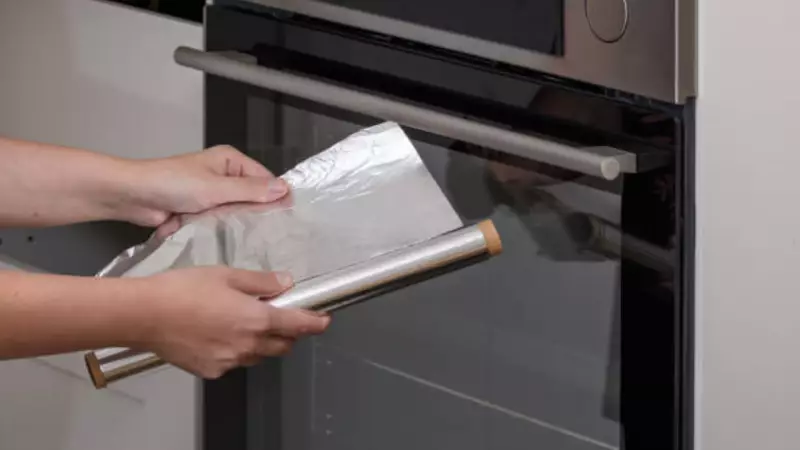
If you regularly use aluminium foil or containers to pack lunch, wrap leftover rotis, or cover curries, you are part of a vast majority in Indian kitchens. This practice, celebrated for its convenience and ability to keep food warm, is a deeply ingrained habit. However, emerging scientific evidence and expert warnings are casting a serious shadow over this everyday convenience, linking it to potential long-term health hazards.
The Shocking Science Behind Metal Leaching
A pivotal study published in December 2024 in the Food Bioscience journal delivered concerning findings. Researchers discovered unsafe levels of metals leaching into Clarias gariepinus fish muscles when roasted at high temperatures using aluminium foil. The study pinpointed that the foil area had the most significant influence on metal leaching. Evidence of this transfer was clear from the percentage weight loss of the foil after the fish was roasted.
This is not an isolated finding. Another comprehensive study measured aluminium leakage during the baking process across a wide range of foods. The list included Atlantic salmon, mackerel, duck breasts, Hermelín cheese, tomatoes, paprika, Carlsbad dumplings, pork roast, pork neck, chicken breasts, and chicken thighs. The results were staggering: the aluminium content in these baked foods increased by up to 40 times.

Expert Warns of Chronic Health Implications
Dr. Chhaya Vaja, an Internal Medicine Expert at Apollo Spectra Hospital in Mumbai, confirms these storage methods pose a genuine safety concern. She explains that aluminium readily reacts with acidic and salty foods. Common Indian culinary items like tomatoes, lemon, vinegar, pickles, and spicy gravies can trigger this reaction when cooked or stored in aluminium.
"When these foods are cooked or stored in aluminium foil or containers, some amount of aluminum may mix into the food," Dr. Vaja states. The long-term accumulation of excess aluminium in the body is the core of the problem. Prolonged exposure can lead to bone problems, kidney strain, and nerve-related issues. Individuals with pre-existing kidney disease are at higher risk as their bodies struggle to eliminate the excess metal.
The risk multiplies when using damaged, scratched, or thin foil, or when hot food is wrapped directly and stored for extended periods.
Adopting Safer Kitchen Practices
Dr. Chhaya Vaja strongly advises against using aluminium foil or containers for daily cooking and long-term storage. She recommends a shift to safer materials and smarter habits:
- Avoid wrapping or cooking acidic, salty, or spicy foods in aluminium foil altogether.
- Switch to inert containers made of steel, glass, or ceramic for storing cooked food.
- If aluminium foil is necessary for baking or grilling, create a barrier by placing butter paper or baking paper between the food and the foil to prevent direct contact.
- Do not reuse disposable aluminium containers and avoid cooking at very high temperatures directly in foil.
The doctor urges the public to adhere to scientifically-backed safe storage methods rather than following social media trends that may promote aluminium use. Being attentive to well-being and consulting experts for appropriate storage guidance can help prevent health issues linked to these common but risky practices.






