

As temperatures climb into the high 30s and 40s, most houses enter survival mode. Fans run all day, air conditioners operate longer than necessary, and even in the afternoon, rooms feel stuffy. The instinct is to use more cooling, but the real issue is that heat is entering and staying inside. Once that is addressed, the rest becomes easier.
Start with windows: the primary source of heat
Indoor heat is mainly caused by afternoon sunlight, especially in west-facing rooms. This explains why one room often feels hotter than others. Thick curtains make a real difference here. Not decorative ones, but curtains that actually block light. Two layers help: an inner light curtain and an outer thick one. Many households switch to bamboo blinds or darker curtains in summer, and it works. Additionally, closing windows between 12 pm and 4 pm blocks hot air from entering. Leaving windows open during peak heat hours actually makes rooms warmer.
Open up in the evening, not during the day
A common mistake is keeping windows open all day, thinking it improves airflow. It does not, at least not during peak heat. Opening windows is best done in the early morning or after sunset when the outside air is cool. Allowing that air to pass through the house helps release trapped heat. If you have windows on opposite sides of your home, opening them slightly creates cross ventilation, and you will notice the difference within minutes.

Fan placement matters more than you think
Ceiling fans do not cool air; they only move it. But how they move it can change how a room feels. With a table fan, place it near a window in the evening to draw in cooler air rather than circulating warm air. A simple trick is placing a bowl of ice or very cold water in front of a fan. This is not a permanent solution, but it can temporarily cool the air in a small room.
Cut down heat from inside the house
Many people do not realize how much heat builds up from indoor sources. Tube lights, old bulbs, televisions, chargers, and routers all produce heat when left on for long hours. Individually, the effect is small, but combined, especially in small rooms, it accumulates. Switching to LED lights helps, and turning off unused devices is even better. Avoid using heat-producing appliances in the afternoon. Even small tasks like ironing clothes or using the stove for too long can raise the room temperature.
Cool the surfaces, not the air
In extremely hot weather, floors and walls retain heat. Simple measures like mopping the floor with cool water once in the afternoon can slightly lower the room temperature. This technique has been used in many older homes and is effective. Using cotton bed sheets instead of synthetic ones, particularly at night, makes sleeping more comfortable even if the room is not cooler.
If you use an AC or cooler, use it properly
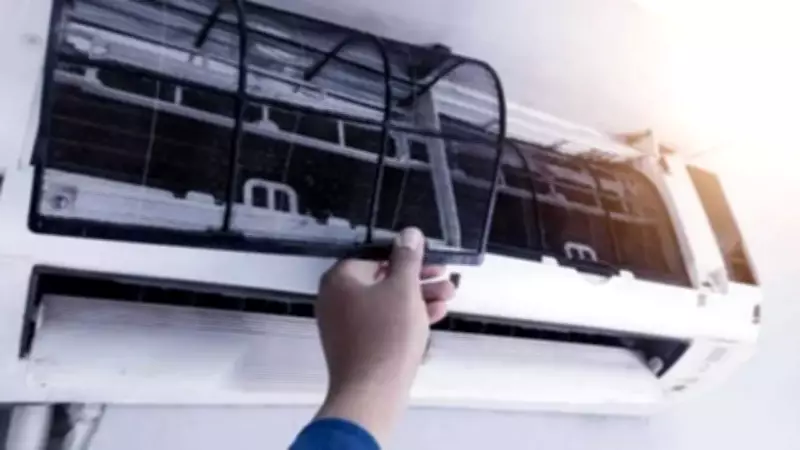
Air conditioners do not need to run at the lowest temperature to work well. Setting the thermostat to 24 or 25 degrees Celsius keeps the room comfortable without excessively increasing the electricity bill. It cools faster when doors are kept closed. Air coolers, on the other hand, require airflow. Keeping a window slightly open actually improves their performance.
Most homes do not need more cooling; they need less heat buildup inside. Once that is under control, even a fan can feel sufficient on most days.






