

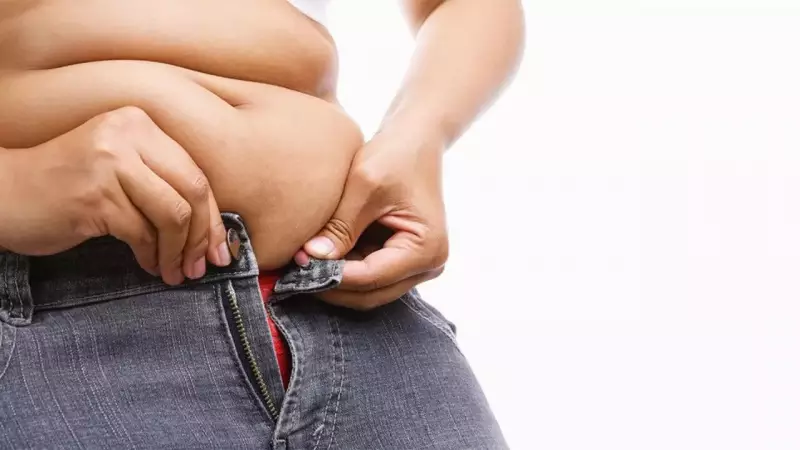
Have you noticed your jeans feeling tighter after crossing the age of 30, even though your diet and exercise routine haven't changed? You are not imagining it, and you are certainly not alone. This frustrating experience, where discipline seems to yield opposite results, is a common rite of passage for many adults. The culprit, experts confirm, is not a lack of willpower but a natural biological shift occurring within your body.
The Science Behind the Midlife Weight Shift
According to Dr. Saurabh Sethi, a renowned gastroenterologist and gut health expert with training from AIIMS, Harvard, and Stanford, this phenomenon is rooted in physiological changes. On his Instagram handle @doctor.sethi, he detailed that hitting 30 acts as a metabolic crossroads. Your body begins to process food and manage energy differently due to hormonal and metabolic transitions, making abdominal fat accumulation more likely.
Key Reasons for Post-30 Belly Fat
1. Natural Muscle Loss: After 30, adults can lose between 3% to 8% of muscle mass per decade if not actively preserved. Since muscle tissue burns calories even at rest, this loss reduces your daily calorie expenditure. The unused energy is then stored as fat, often preferentially in the belly area.

2. Declining Insulin Sensitivity: Aging affects how your body responds to insulin, the hormone that regulates blood sugar. Insulin sensitivity drops by approximately 4% to 5% each decade post-30. Consequently, the same carbohydrate-rich foods you once ate can cause higher blood sugar spikes, promoting fat storage, particularly around the midsection.
3. Hormonal Fluctuations: There is a natural decline in metabolism-supporting hormones like growth hormone, testosterone, and estrogen. Simultaneously, stress hormone (cortisol) levels may rise. This combination encourages the body to store fat deep within the abdominal cavity as visceral fat, which is linked to increased risks of diabetes, heart disease, and inflammation.
Scientific research further supports that the body increases fat cell production in the abdominal region with age. This means your waistline can expand even if your overall weight remains stable.
How to Identify a Slowing Metabolism
Dr. Sethi advises watching for specific signs that indicate your body's changing energy dynamics. These are not mere annoyances but metabolic signals:
- Your waistline expands despite a stable number on the scale.
- You experience afternoon energy crashes.
- You develop stronger cravings for sugary foods.
- You feel bloated after eating carbohydrates.
- Fat accumulates predominantly in the upper stomach area.
Effective Strategies to Manage Weight After 30
Instead of resorting to extreme diets or unsustainable workouts, Dr. Sethi recommends adopting consistent, science-backed habits tailored to your evolving physiology.
Boost Protein Intake: Consume 1.2 to 1.6 grams of protein per kilogram of your body weight daily. Protein supports muscle maintenance, promotes satiety, and gives your metabolism a slight boost. Excellent sources include lean meats, legumes, dairy, and plant-based proteins.
Incorporate Strength Training: Engage in resistance or weight training at least three times a week. This is crucial for preserving muscle mass, which in turn helps maintain a higher metabolic rate. Effective routines can be done with bodyweight exercises or basic gym equipment.
Walk Regularly: A simple daily walk, especially a 10-minute stroll after meals, can significantly improve your body's insulin response. This easy habit helps manage blood sugar levels and reduces the propensity for belly fat storage.
Prioritize Quality Sleep: Aim for 7 to 8 hours of uninterrupted sleep each night. Poor sleep disrupts hunger hormones like ghrelin and leptin, increases cravings, and makes it easier to gain abdominal fat.

Consider Gentle Intermittent Fasting: A manageable approach like the 12:12 method (eating within a 12-hour window and fasting for the remaining 12) can aid digestion, help control appetite, and reduce inflammation.
The fundamental takeaway is that while you cannot halt the aging process, you can adapt your lifestyle to work in harmony with your body's changes. With informed and sustainable adjustments, managing belly fat after 30 is an achievable goal.





