

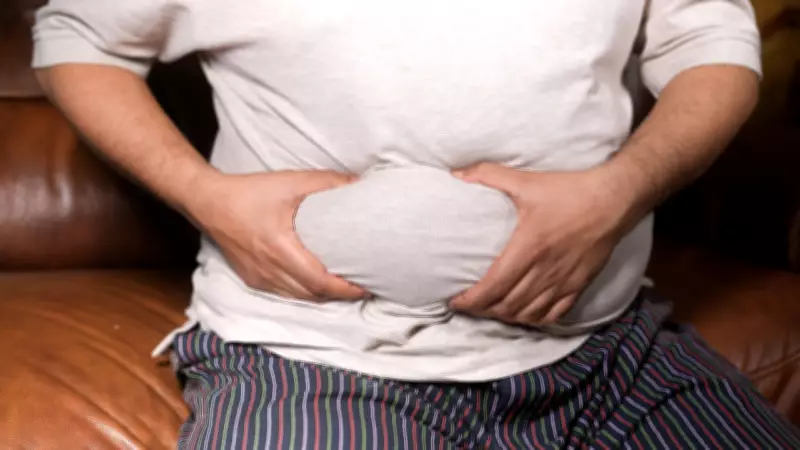
Bloating Without Overeating: Uncovering Hidden Gut Triggers
Bloating is commonly attributed to heavy meals, but this is not always accurate. Many individuals experience feelings of fullness, tightness, or gassiness even after consuming small portions. The discomfort persists, clothing feels constricting, and energy levels decline. So, what exactly transpires within the gut? The explanation extends beyond mere food quantity to encompass how the body processes it. Digestion is a gradual, multi-layered procedure, and even minor disruptions can overwhelm the gut.
When the Gut Reacts, Not the Stomach
The stomach may not be full, yet the gut can become irritated. This occurs when certain foods are incompletely digested, traveling to the large intestine where bacteria break them down, resulting in gas formation. This is where FODMAP foods—fermentable carbohydrates found in onions, garlic, beans, and some fruits—play a role. According to the National Institute of Diabetes and Digestive and Kidney Diseases, poorly absorbed carbohydrates can lead to gas, bloating, and discomfort. Even small portions can trigger significant reactions.
Eating Habits Matter More Than You Think
The manner of eating significantly influences digestion. Rapid eating is a major trigger, introducing excess air into the gut and reducing proper chewing, allowing larger food particles to reach the intestine and slow digestion. Insufficient water intake exacerbates the issue, as the gut requires fluids for smooth food movement; without it, digestion becomes sluggish. Dr. Prasanna K S clarifies, "Bloating isn't just about overeating; hidden gut triggers can play a big role. Food intolerances, stress, and an imbalance of gut bacteria can cause discomfort. Eating too fast, not drinking enough water, or consuming processed foods disrupt digestion..."

Stress Resides Quietly in the Gut
Stress does not remain confined to the mind; it migrates into the body. The gut and brain are intricately connected, and when stress escalates, digestion decelerates. Intestinal muscles tighten or become irregular, facilitating gas buildup. This explains why bloating often manifests on stressful days, even with light meals. A report by the National Institutes of Health emphasizes how stress alters gut movement and sensitivity.
Your Gut Bacteria May Be Out of Balance
The gut hosts trillions of bacteria, some aiding digestion while others cause issues if overgrown. An imbalance in this ecosystem, termed dysbiosis, leads to excess gas, slow digestion, and bloating. Processed foods, low-fiber diets, antibiotics, and irregular eating patterns disrupt this balance. Dr. Prasanna adds, "...an imbalance of gut bacteria can cause discomfort... These habits can lead to gas buildup, slow digestion, and a feeling of being uncomfortably full."
Movement as a Natural Digestive Aid
The body is designed for movement, and the gut relies on it. Lack of physical activity slows intestinal movement, prolonging food retention in the digestive tract and increasing gas buildup. Even light walking can stimulate the intestines and facilitate gas passage. The World Health Organization recommends regular movement to support overall health, including digestion; sometimes, relief initiates with a simple stroll.
Small Daily Shifts That Actually Work
Relief stems from consistent, minor habits rather than drastic changes. Dr. Prasanna K S proposes practical steps:
- Incorporate probiotic foods like yogurt or kefir
- Eat slowly and chew thoroughly
- Maintain hydration throughout the day
- Reduce carbonated drinks and artificial sweeteners
- Track foods in a symptom diary
- Manage stress with simple relaxation techniques
- Stay physically active
He notes, "By identifying and addressing these underlying factors... people can find relief from bloating and improve their digestive health."
When to Take Bloating Seriously
While most bloating is harmless, vigilance is crucial. Watch for warning signs:

- Unexplained weight loss
- Persistent constipation or vomiting
- Blood in stools
- Symptoms after age 50
Dr. Prasanna advises, "Consult a gastroenterologist if you have additional symptoms... especially if you are above 50 years of age." The body often signals when deeper issues require attention.
Medical experts consulted: This article includes expert inputs shared with TOI Health by Dr. Prasanna K S, Consultant - Medical Gastroenterology, Manipal Hospital Old Airport Road. Inputs were used to explain how bloating can occur even without overeating due to hidden gut triggers, and why simple daily habits can help improve digestion and reduce discomfort effectively.





