

Bengaluru Scientists Uncover Brain's Mechanism for Suppressing Itch During Stress
Anyone who has experienced a high-pressure situation knows the phenomenon well. A nagging mosquito bite or persistent skin irritation seems to momentarily disappear when the mind becomes consumed by stress. Now, a groundbreaking study from Bengaluru has revealed precisely how the brain accomplishes this remarkable feat.
Mapping the Brain's Itch-Suppression Circuit
Researchers at the prestigious Indian Institute of Science (IISc) have successfully mapped a small but critically important neural circuit within the brain that actively suppresses itching sensations during periods of acute stress. Their significant findings have been published in the respected scientific journal Cell Reports.
While both itch and pain serve as essential warning signals for the body, the neurological mechanisms behind itching have remained comparatively mysterious. Pain responses, like instantly withdrawing a hand from a hot surface, are well-documented. However, understanding how emotional states such as stress and anxiety modify our perception of itch has been a major gap in scientific knowledge.

The Role of the Lateral Hypothalamus
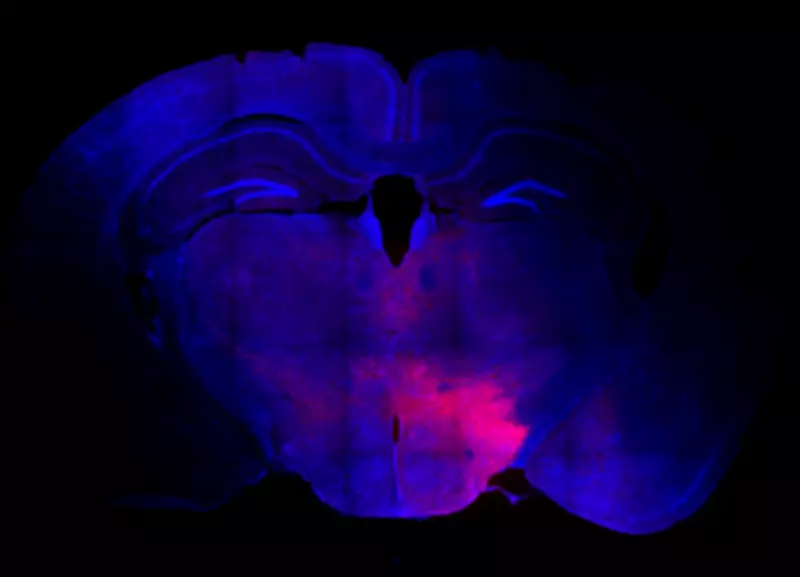
The IISc research team concentrated their investigation on a deep-brain region known as the lateral hypothalamus. This area is already recognized for its role in regulating stress responses, motivation, and various emotional states. Using specially bred laboratory mice, the scientists identified a specific cluster of neurons that become highly active during short, intense bursts of stress.
Through meticulous experimentation, the researchers made a crucial discovery. When these specialized "stress neurons" were artificially activated, the mice exhibited significantly less scratching behavior. This reduction occurred regardless of whether the itch was short-term and chemically induced or part of a chronic, psoriasis-like skin condition. Conversely, when the same neurons were silenced, the stress-induced reduction in scratching completely disappeared. This demonstrated that the identified neural circuit was both necessary and sufficient for dampening itch sensations during acute stress.
"We demonstrate that a specific circuit in the lateral hypothalamus can suppress itch during acute stress, revealing how the brain directly links emotional states to sensory perception," explained Arnab Barik, assistant professor at the Centre for Neuroscience and the study's corresponding author. "By pinpointing the exact neural pathway connecting stress to itch, we are opening new possibilities for targeting these brain mechanisms to better manage the worsening of itch symptoms induced by chronic stress."A Concerning Discovery About Chronic Conditions
The study also uncovered a potentially troubling twist in its findings. In mice suffering from long-term, psoriasis-like inflammatory conditions, the behavior of these same stress-sensitive neurons changed dramatically. They became more excitable and showed increased activity during scratching episodes. This suggests that chronic stress may actually disrupt the brain's natural, protective ability to suppress itching, potentially creating a vicious cycle.
This neurological insight could help explain the common clinical observation that individuals with persistent skin conditions, such as eczema or psoriasis, frequently report severe symptom flare-ups during particularly stressful periods in their lives.
Implications for Treatment and Future Research
Chronic itching is a debilitating condition that affects millions of people globally, severely impacting sleep quality, work productivity, and overall mental health. Current treatment strategies predominantly focus on the skin itself or on modulating the immune system. The new findings from Bengaluru propose that a fundamental part of the solution may reside within the brain's own wiring.
The researchers have issued appropriate cautions regarding their work. They studied only one specific form of acute stress, and acknowledge that other brain circuits are almost certainly involved in the complex itch-stress relationship. Furthermore, as the research was conducted using mouse models, substantially more investigation is required before any potential human therapies can be developed.

Nevertheless, the central message from this pioneering research is unequivocal. The brain does not merely passively register an itch signal. It possesses an active, sophisticated system capable of turning the sensory volume up or down, dynamically modulating our perception based on the broader emotional and psychological context of our lives.





