As the chill of winter begins to descend upon North India, the Mahendra Chaudhary Zoological Park, popularly known as Chhatbir Zoo, has rolled out a comprehensive winter management plan for its diverse inhabitants. The zoo authorities are taking proactive steps to ensure the health and comfort of more than 1,300 animals and birds during the colder months.
Tailored Dietary Adjustments for Animal Wellness
A key component of the winter strategy involves significant changes to the animals' diets. Zoo Director, M. Sudhagar, confirmed that the quantity of food for all animals has been increased by 10 to 15 percent. This caloric boost is essential as animals expend more energy to maintain their body temperature in the cold. The dietary plans are meticulously customized for different species.
For herbivores like deer and antelopes, the diet now includes a higher proportion of jaggery and seasonal vegetables such as carrots, which provide extra energy and nutrients. Carnivores, including lions and tigers, are receiving additional portions of meat and bone marrow to meet their heightened energy requirements. The primate section is also seeing benefits, with monkeys and chimpanzees being given more nuts and fruits rich in vitamins.
Creating Warm and Secure Habitats
Beyond nutrition, the zoo is focusing intensely on modifying the animal enclosures to provide warmth. Special heating arrangements have been installed in the night shelters of sensitive and vulnerable animals. This includes species like chimpanzees, hippopotamuses, and all reptiles, which are particularly susceptible to temperature drops.
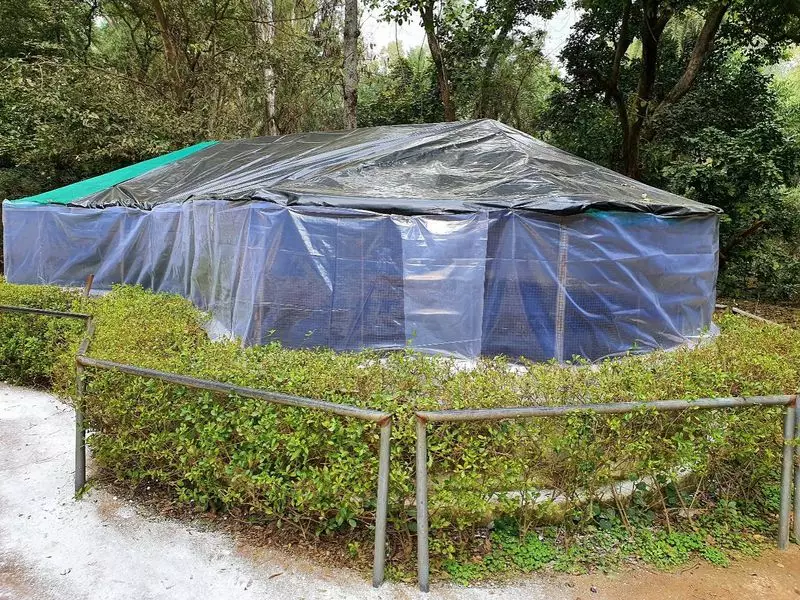
For the big cats, including the majestic Royal Bengal Tigers and Asiatic Lions, the zoo has prepared heated platforms and sheltered areas within their enclosures. Thick straw bedding has been laid down in the shelters of many herbivores to insulate them from the cold ground. The bird aviaries have also been partially covered with protective sheets to shield the inhabitants from cold winds while ensuring adequate ventilation.
Expert Monitoring and Veterinary Vigilance
The implementation of these measures is backed by constant monitoring. The zoo's veterinary team, led by senior officials, is conducting more frequent health check-ups. Special attention is being paid to young, old, and sick animals who are at greater risk during winter. The staff is trained to observe any signs of discomfort or illness that may be exacerbated by the cold weather.
Director Sudhagar emphasized that these annual winter preparations are a standard and crucial part of the zoo's animal management protocol. The goal is to preemptively address the challenges posed by the season, ensuring that all residents of the Mahendra Chaudhary Zoological Park remain in good health and spirits until the return of warmer spring days. The zoo remains open to visitors throughout the season, offering a chance to see the animals in their specially prepared winter habitats.