Summer Swimming and Children's Eye Health: A Critical Guide for Parents
As summer approaches, swimming becomes a favorite activity for children seeking relief from the heat. However, parents must exercise caution regarding their children's eye health in swimming pool environments. The risks extend beyond mere discomfort, involving potential infections and chemical exposure that require vigilant attention.
Understanding the Risks of Swimming Pool Eye Infections
Chlorine and contaminants in pool water present significant dangers to ocular health. Not only can chlorine itself harm the eyes, but poorly maintained pools may harbor organisms that cause mild to severe infections. Children are particularly vulnerable due to their tendency to keep eyes open underwater, increasing exposure to these hazards.
Primary Risks to Children's Eyes in Pools
- Poorly Maintained Pools and Pink Eye: Swimming pools with inadequate maintenance can contain numerous organisms and contaminants. These may lead to conjunctivitis, commonly known as 'pink eye,' especially in children who frequently open their eyes underwater.
- Sharing Personal Items: The exchange of towels, goggles, or other personal items among swimmers can facilitate the spread of eye infections, creating unnecessary health risks.
- Chlorine's Disruptive Effects: Chlorine, while essential for pool disinfection, can disrupt the eye's tear film. This disruption makes eyes more susceptible to infections and irritation, compounding existing vulnerabilities.
Recognizing Symptoms of Pink Eye in Children
Parents should monitor for these key indicators of potential eye infections:

- Redness in the white portion of the eye, giving rise to the 'pink eye' appearance
- Severe irritation, often described as a burning or gritty sensation, as if something is stuck in the eye
- Watery or yellowish-whitish discharge from the eyes
- Blurred vision that may affect daily activities
- Swelling of the eyelids in some cases
If any of these symptoms appear, immediate consultation with an ophthalmologist is strongly recommended to prevent complications and ensure proper treatment.
Essential Preventive Measures for Swimming Eye Safety
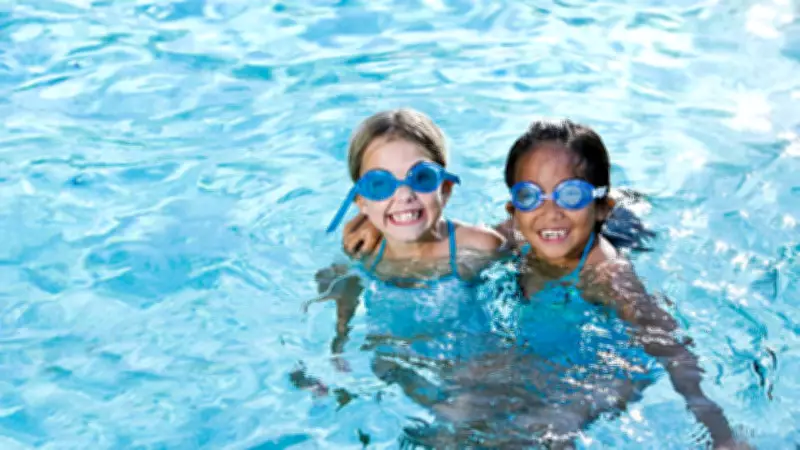
- Always Wear Eye Goggles: Ensure children wear properly fitting eye goggles during swimming, particularly when underwater, to create a protective barrier against contaminants.
- Verify Pool Maintenance: Choose swimming facilities that demonstrate rigorous maintenance standards and water quality management.
- Avoid Sharing Personal Items: Strictly prohibit the sharing of towels, goggles, or any personal items that could transmit infections between swimmers.
- Stay Out of Pools with Infections: If a child shows signs of eye infection, keep them out of swimming pools to prevent spreading the condition to others.
- Contact Lens Precautions: Older children should avoid wearing contact lenses while swimming, as they can trap contaminants against the eye surface.
Parents should remain vigilant and consult an ophthalmologist if symptoms persist beyond 48 hours. Early intervention can prevent more serious complications and ensure children enjoy summer swimming safely.
Medical insights provided by Dr. Avisha Gavai, Cataract Specialist at Dr. Agarwals Eye Hospital, Virar.