

Understanding Cholesterol: The Good, The Bad, and How to Manage It for Heart Health
Cholesterol frequently becomes a central topic of discussion at dinner tables, as many people evaluate their meals based on whether they are heart-friendly or cholesterol-friendly. But what exactly is cholesterol, and why is it so crucial to our health?
What Is Cholesterol?
Cholesterol is a waxy, fat-like substance found in your blood. It is essential for building healthy cells and producing certain hormones. Your liver naturally produces cholesterol, which then travels throughout the body with the assistance of proteins known as lipoproteins. While cholesterol is necessary for bodily functions, excessive levels can pose serious health risks.
The Dangers of High Cholesterol
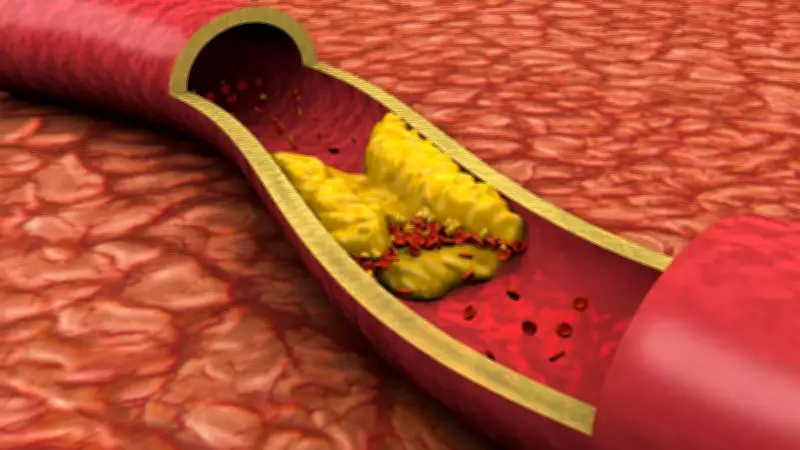
When cholesterol levels become too high, it can lead to the accumulation of deposits in your blood vessels. This buildup narrows the arteries and increases the risk of heart disease, heart attacks, and strokes. Therefore, maintaining balanced cholesterol levels is vital for long-term cardiovascular health.

Types of Fats and Their Impact on Cholesterol
To keep cholesterol in check, it is important to understand the different types of fats in your diet and how they affect your body. There are three primary categories of fats:
- Saturated Fats: These are commonly found in animal products such as meat and dairy. They can instruct the liver to produce more LDL (low-density lipoprotein), often referred to as "bad" cholesterol, which contributes to artery clogging.
- Unsaturated Fats: These are predominantly present in plant-based foods like nuts, seeds, beans, and vegetable oils. Certain unsaturated fats can help increase the rate at which the liver reabsorbs and breaks down bad cholesterol, thereby promoting heart health.
- Trans Fats: These are artificially created through a process called hydrogenation, which solidifies vegetable oils. They are often found in fried foods, baked goods, and packaged snacks. Trans fats are particularly harmful as they raise bad cholesterol levels while lowering good cholesterol (HDL).
Foods to Avoid and Include for Healthy Cholesterol
To reduce cholesterol, it is best to limit or avoid saturated and trans fats while consuming unsaturated fats in moderation. Here is a breakdown of foods to steer clear of and those to embrace:
Foods to Avoid – Bad Fats
- Trans Fats: Fried foods, packaged snacks, pizza, burgers, baked goods, and pastries.
- Saturated Fats: Butter, cheese, non-vegetarian foods, ghee, palm oil, and coconut oil. It is recommended not to consume more than a spoonful of saturated fats daily.
Foods to Eat – Good Fats
- Monounsaturated Fats: Excellent sources include olive oil, peanut oil, canola oil, walnuts, almonds, cashews, and avocados.
- Polyunsaturated Fats: Found in seeds and tree nuts, these fats are beneficial for heart health.
The Role of Yoga and Exercise in Cholesterol Management
Exercise is one of the most effective ways to manage cholesterol levels. Physical activity helps lower triglycerides and increase HDL (high-density lipoprotein), known as "good" cholesterol. Incorporating dynamic yoga asanas into your daily routine can be particularly beneficial. Here are a few recommended poses:
- Surya Namaskar (Sun Salutation)
- Hastapadangustaasan (Hand-to-Big-Toe Pose) in a lying position
- Ardha Matsyendraasan (Half Lord of the Fishes Pose)
- Plank Pose
- Pranayama (Breathing Exercises)
These practices not only aid in burning excess cholesterol but also enhance overall cardiovascular fitness.
Conclusion: Prioritize Heart Health
Unattended high cholesterol can lead to severe and potentially fatal conditions. By paying close attention to your dietary habits and incorporating regular exercise, you can significantly reduce your risk of heart disease. Stay informed, make healthy choices, and keep your heart in optimal condition for a longer, healthier life.
Authored by: Dr. Hansaji Yogendra, The Yoga Institute
About the Author

The TOI Lifestyle Desk is a dynamic team of dedicated journalists who, with unwavering passion and commitment, sift through the pulse of the nation to curate a vibrant tapestry of lifestyle news for The Times of India readers. At the TOI Lifestyle Desk, we go beyond the obvious, delving into the extraordinary. Consider us your lifestyle companion, providing a daily dose of inspiration and information. Whether you're seeking the latest fashion trends, travel escapades, culinary delights, or wellness tips, the TOI Lifestyle Desk is your one-stop destination for an enriching lifestyle experience.





