

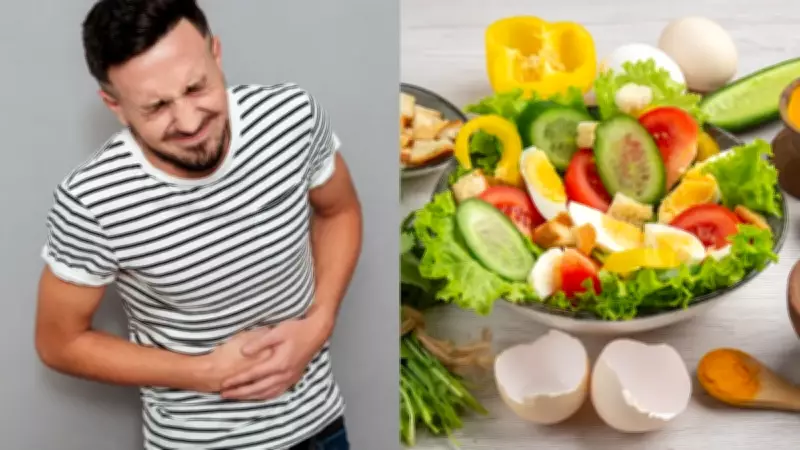
Expert Diet Guide for Constipation Relief: Foods and Tips to Improve Digestion
Struggling with constipation can be a frustrating and uncomfortable experience, affecting daily life and overall well-being. According to health experts, dietary adjustments play a crucial role in alleviating this common digestive issue. This comprehensive guide outlines key foods and habits to help you achieve relief and maintain regular bowel movements.
Understanding Constipation and Its Causes
Constipation is characterized by infrequent bowel movements, difficulty passing stool, or a feeling of incomplete evacuation. It often results from factors such as low fiber intake, inadequate hydration, sedentary lifestyle, or certain medications. Addressing these root causes through diet can significantly improve symptoms.
Essential Foods for Constipation Relief
Incorporating specific foods into your daily meals can promote better digestion and ease constipation. Focus on the following categories:

- High-Fiber Fruits and Vegetables: Foods like apples, pears, berries, broccoli, and leafy greens are rich in soluble and insoluble fiber, which adds bulk to stool and facilitates its passage through the intestines.
- Whole Grains: Opt for whole wheat, oats, quinoa, and brown rice, as they provide essential fiber that supports gut health and regular bowel movements.
- Legumes and Beans: Lentils, chickpeas, and black beans are excellent sources of fiber and protein, helping to soften stool and reduce constipation.
- Probiotic-Rich Foods: Yogurt, kefir, and fermented foods like kimchi introduce beneficial bacteria to the gut, improving digestion and alleviating constipation symptoms.
Hydration and Lifestyle Tips
Beyond food choices, proper hydration and lifestyle habits are vital for managing constipation. Experts recommend:
- Increase Water Intake: Drinking at least 8-10 glasses of water daily helps soften stool and prevent dehydration, a common contributor to constipation.
- Regular Physical Activity: Engaging in exercises like walking, yoga, or swimming stimulates bowel movements and enhances digestive function.
- Establish a Routine: Try to have meals and bathroom visits at consistent times to regulate your body's natural digestive rhythm.
- Avoid Processed Foods: Limit intake of low-fiber, high-fat foods like chips and fast food, as they can worsen constipation.
When to Seek Medical Advice
While dietary changes often provide relief, persistent constipation may require medical attention. Consult a healthcare professional if symptoms last more than a few weeks, are accompanied by severe pain, or if there are signs of bleeding. They can rule out underlying conditions and recommend appropriate treatments.
By following this expert diet guide and incorporating these tips into your routine, you can effectively manage constipation and improve your digestive health for long-term well-being.






