

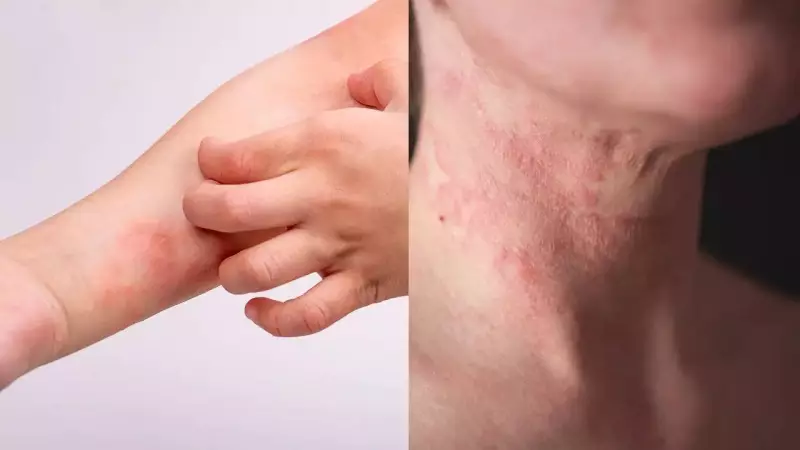
Understanding Contact Dermatitis: A Common Skin Condition
Contact dermatitis ranks among the most frequent skin reactions people encounter in their daily lives. This condition emerges when your skin directly interacts with substances that either irritate it or trigger allergic responses. The outcome typically involves redness, persistent itching, or inflammation that might appear suddenly or develop gradually through repeated exposure.
While this skin condition can cause significant discomfort and even impact self-confidence, it's generally not dangerous. Gaining knowledge about how and why contact dermatitis develops proves crucial for preventing flare-ups and maintaining optimal skin health. Whether triggered by cleaning agents, fragrances, or metals like nickel, this condition becomes largely manageable with proper understanding and care.
What Exactly is Contact Dermatitis?
Contact dermatitis represents an inflammation of the skin that occurs when the skin's protective barrier becomes compromised or when the immune system overreacts to harmless substances. Medical professionals categorize this condition into two primary types: irritant contact dermatitis and allergic contact dermatitis.

Irritant Contact Dermatitis
This form develops when substances directly damage the skin's outer layer. Over time, the skin transforms - becoming dry, rough, and inflamed. This type accounts for approximately 80% of all contact dermatitis cases, making it the most common variant.
Regular exposure to soaps, detergents, alcohol-based sanitizers, and aggressive cleaning agents can systematically break down the skin's natural oils and moisture, leaving it vulnerable. Individuals whose occupations involve "wet tasks" - including healthcare workers, cleaning staff, and catering professionals - frequently experience this dermatitis type. Surprisingly, even prolonged water exposure can strip away the skin's protective lipids, leading to irritation.
Allergic Contact Dermatitis
Allergic contact dermatitis manifests differently, developing when your immune system mistakenly identifies a substance as harmful. Once sensitization occurs, even minimal amounts of that substance can trigger reactions.
Common allergens include nickel (present in jewellery, belt buckles, and coins), fragrances or preservatives in cosmetics, latex gloves, and specific plants like poison ivy or oak. The reaction typically appears one to three days after exposure and can persist for several days or weeks without proper treatment.
Common Causes and Risk Factors
Numerous substances can initiate contact dermatitis, with specific causes often depending on your environment, occupation, and personal sensitivity levels.
Frequent irritants encompass everyday items like shampoos, washing powders, cleaning sprays, paints, and even some skincare products that can irritate through repeated contact. Chemical exposure in workplace settings - such as cement in construction or hair dyes in salons - significantly increases risk.
Allergens present greater identification challenges since reactions are delayed. Nickel, cobalt, chromium salts, specific fragrances, preservatives like parabens or formaldehyde, and natural rubber latex rank among the most common culprits.
Certain population groups face higher risk. People with pre-existing dry or sensitive skin, eczema, or asthma show increased susceptibility to developing contact dermatitis. Occupational exposure plays a major role too - hairdressers, healthcare professionals, cleaners, and mechanics regularly handle potential irritants. Environmental factors including cold weather, low humidity, and harsh soaps further weaken the skin's barrier, making reactions more probable.
Recognizing Contact Dermatitis Symptoms
Contact dermatitis symptoms vary considerably between individuals, depending on the dermatitis type, exposure severity, and contact duration. Typically, reactions appear in specific areas that touched the substance, though severe instances might see rashes spreading to nearby regions.

According to research published in the National Centre for Biotechnology Information (NCBI), contact dermatitis usually manifests as localized inflammation but may extend beyond initial contact sites, particularly with prolonged exposure or when allergens trigger stronger immune responses.
Common signs and symptoms include:
- Redness and inflammation: Affected skin may appear flushed, irritated, or swollen
- Persistent itching and discomfort: Itching represents one of the most common symptoms, potentially worsening with scratching
- Dryness and flaking: Skin may feel tight, rough, or begin peeling due to moisture loss
- Cracking or scaling: Repeated irritation can lead to cracked or scaly patches that might sting or bleed
- Blisters or oozing: Severe cases can involve small fluid-filled blisters that may burst and crust if scratched or infected
- Pain or burning sensations: Affected areas may feel tender or sore when touched, especially when inflamed
- Thickened or leathery skin: Chronic or repeated exposure can cause skin hardening and texture changes
Symptom appearance differs across skin tones. On lighter skin, rashes typically appear red or pink, while on darker skin tones, they might manifest as purple, gray, or dark brown, making early identification slightly more challenging.
Timing variations exist between dermatitis types. Irritant contact dermatitis often emerges within minutes or hours after contact, whereas allergic contact dermatitis usually develops 1-2 days post-exposure, reflecting its delayed immune response nature.
Effective Treatment and Management Strategies
The most effective contact dermatitis treatment involves identifying and avoiding responsible irritants or allergens. Once skin exposure ceases, natural healing begins. This might require changing skincare products, switching detergents, wearing protective gloves, or adjusting work habits.
Soothing the skin requires consistent moisturizing. Regular application of fragrance-free, hypoallergenic emollients throughout the day helps restore the skin barrier. Cool compresses can relieve itching, while avoiding hot showers and harsh soaps prevents further irritation.
When symptoms become severe or persistent, medical treatment becomes necessary. Doctors often prescribe topical corticosteroid creams or ointments to reduce inflammation. Widespread or severe cases might require short oral steroid courses or dermatologist referrals for further evaluation.
Implementing lifestyle adjustments proves crucial for long-term skin protection. Wearing cotton gloves beneath rubber ones prevents sweating and reduces irritation. Keeping nails short minimizes scratching risks and secondary infections. Regular use of thick, non-perfumed moisturizers helps prevent flare-ups even after rashes clear.
Practical Prevention Tips
Preventing contact dermatitis involves understanding and limiting exposure to potential triggers:
- Identify and avoid known irritants or allergens
- Use gentle, fragrance-free products for skincare and cleaning
- Moisturize regularly to maintain healthy skin barriers
- Wear protective gloves when using chemicals or cleaning agents
- Test new products on small skin areas before full application
- Take breaks during wet work to allow skin recovery
When to Consult Healthcare Professionals
Most contact dermatitis cases can be managed at home through gentle care and trigger avoidance. However, medical consultation becomes necessary when:
The rash appears severe, painful, or widespread; it affects your face, eyes, lips, or genitals; symptoms persist beyond two weeks despite home treatment; or you notice infection signs like yellow crusting, oozing, or fever. Doctors can prescribe stronger medications or refer you to specialists for allergy testing if causes remain unclear.
Disclaimer: This article serves informational purposes only and should not replace medical advice. Please consult healthcare professionals before making changes to your diet, medication, or lifestyle.





