

Bengaluru's Craft Beer Culture Sparks Health Concerns as Doctors Link It to Weight Gain
In Bengaluru, India's renowned microbrewery capital, that extra pint of craft beer at the end of a night out may be doing more harm than many realize. Medical professionals in the city are raising alarms about how calorie-dense craft beers, which often contain higher levels of alcohol, sugar, and calories compared to standard lagers, are emerging as a significant contributor to weight gain and related health issues.
Study Reveals Alcohol's Direct Impact on Visceral Fat
A recent study published in the International Journal of Obesity has highlighted a clear, dose-dependent relationship between alcohol consumption and visceral fat mass. Using DEXA scans on a cohort of 5,761 adults, researchers found that individuals in the highest alcohol consumption group had over 10% more visceral fat compared to light drinkers, independent of their total body fat. This pattern is now being observed in clinical settings across Bengaluru.
"The microbrewery culture has become a significant driver of weight gain, especially when combined with an already sedentary, high-stress urban lifestyle," said Dr. Somnath Chatterjee, medical director at Prakriya Hospitals. "It is rarely just 'a glass of beer'—it involves multiple pints, heavy starters, late nights, and very little physical activity. I see many young professionals, who otherwise appear healthy, presenting with increased waist circumference, early signs of fatty liver, borderline blood sugar levels, and elevated blood pressure. A clear history of frequent brewery visits is often a common factor."

Craft Beer: A Concentrated Metabolic Load
Dr. Chatterjee explained the medical distinction between craft and bottled beers, noting that craft beer represents a concentrated metabolic load due to its higher alcohol content, calorie count, and often greater residual sugar compared to regular lager. Calorie counts substantiate this concern.
"A normal beer typically contains 100 to 150 calories per portion, whereas craft beers can range from 150 to 300 calories per portion," said Dr. Gaurav Singh, a general surgeon at Gleneagles Hospital. "If a rich craft beer has 300 calories and a person consumes five or six portions, that amounts to 1,500 calories from beer alone. When combined with food, a single outing can easily reach 2,500 to 3,000 calories, far exceeding daily recommended intake."
High-Calorie Pub Menus Exacerbate the Problem
The issue is compounded by the food typically consumed during bar visits. Popular microbreweries in Bengaluru often feature calorie-dense menus, including fried starters, cheesy pizzas, creamy pastas, burgers, loaded potatoes, rich meats, and elaborate desserts. These dishes combine high fat and refined carbohydrates, with each item hitting 800 to 1,200 kilocalories.
"Marketed as 'perfect with beer,' these foods encourage continuous snacking that people don't mentally count as a full meal," said Dr. Ganavi YP, a consultant in the department of endocrinology at Ramaiah Memorial Hospital. "This leads to excessive calorie intake without a corresponding sense of satiety, further driving weight gain."
Broader Health Implications Beyond Weight Gain
Beyond weight gain and the notorious "beer belly," doctors report a range of health issues among regular craft beer consumers. These include abnormal liver enzymes, disturbed sleep patterns, acid reflux, gastritis, and an increased risk of developing diabetes. The cumulative effect of these factors poses a serious public health challenge.
"Nearly one in two adults in urban clinical settings is overweight or obese due to multiple contributing factors," said Dr. Manjunath Malige, director of the department of endocrinology, diabetes, obesity, and weight management at Sakra World Hospital. "The rise of craft beer consumption, paired with unhealthy eating habits and a sedentary lifestyle, is a key element in this growing epidemic."

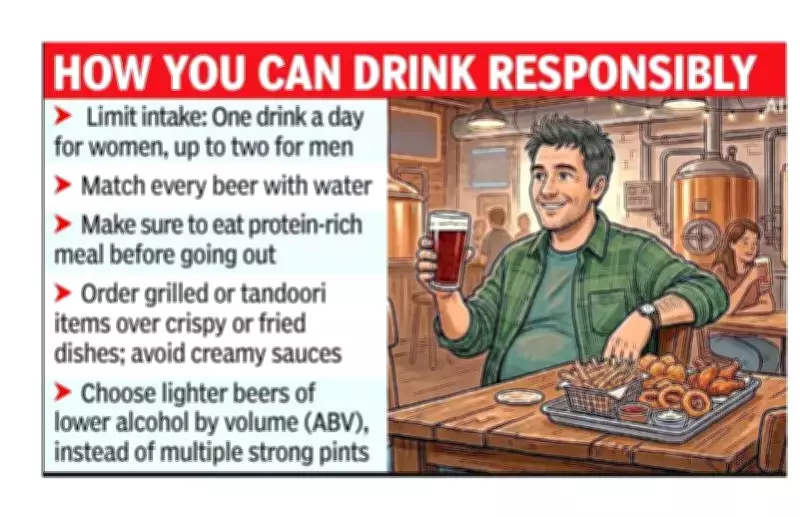
As Bengaluru continues to embrace its status as a microbrewery hub, medical experts urge moderation and awareness. They recommend that individuals monitor their alcohol intake, opt for lighter beer options when possible, and balance indulgences with physical activity and healthier food choices to mitigate the risks associated with this popular social trend.





