

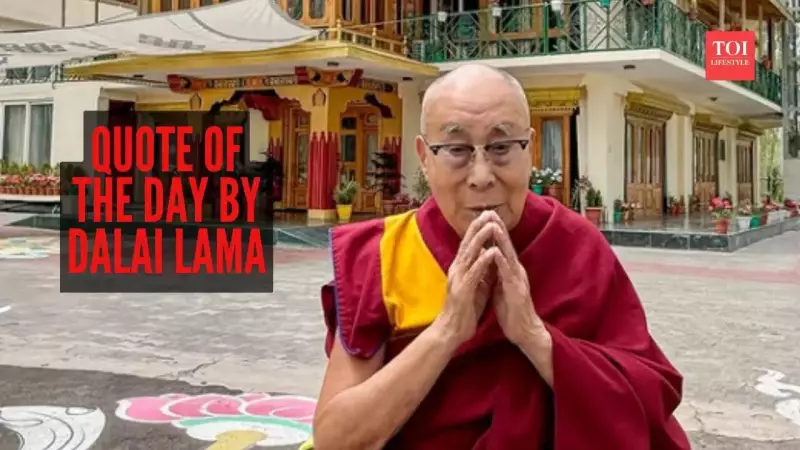
The Dalai Lama, a global icon of spirituality and ethics, continues to guide millions with his insights on human values and inner peace. His Holiness the 14th Dalai Lama, Tenzin Gyatso, offers a perspective on happiness that challenges modern material pursuits.
The Life and Legacy of a Spiritual Guide
Born in 1935 in a Tibetan village, Tenzin Gyatso was identified as the reincarnation of the Dalai Lama at a very young age. For decades, he has been a pivotal figure in Tibetan Buddhism and a worldwide moral voice. Despite a life marked by exile and personal challenges, his teachings on compassion, meditation, and emotional well-being transcend cultural and religious boundaries, focusing on universal human concerns.
Decoding the Dalai Lama's Quote on Happiness
In a powerful reflection, the Dalai Lama states, "Physical comforts cannot subdue mental suffering, and if we look closely, we can see that those who have many possessions are not necessarily happy. In fact, being wealthy often brings even more anxiety."

This statement underscores a critical truth: external wealth and comfort are ineffective remedies for inner turmoil. The quote suggests that genuine happiness requires internal work, not the accumulation of worldly goods. The Dalai Lama points out that mental distress exists independently of material lack.
The Paradox of Wealth and Anxiety
The spiritual leader further explains that wealth can amplify stress instead of alleviating it. More possessions lead to greater responsibilities, increased worries, and a persistent fear of loss. An excessive attachment to material success often generates pressure and restlessness, contrary to the freedom it promises.
From this viewpoint, authentic and lasting happiness is founded on inner qualities like contentment, compassion, and mental clarity. It invites us to look beyond superficial comforts and examine our internal state. When happiness is tied to material objects, it remains temporary and unstable.
True peace emanates from a disciplined and mastered mind, not from amassed riches. The inner contentment cultivated through this practice remains unshaken by external gains or losses. This wisdom serves as a gentle reminder to reassess our personal definitions of success and fulfillment.
It reinforces that peace of mind is not a commodity for purchase. Lasting well-being springs from nurturing the inner self. Embracing this philosophy can help reduce life's stress and cultivate a form of happiness that is independent of ever-changing circumstances.






