

Beyond the Hiss: Debunking Myths About Non-Aggressive Snakes in the US
Snakes have long been perceived as dangerous and unpredictable creatures, but this stereotype is not entirely accurate. While some species can pose risks and require careful handling, many snakes living in the United States are remarkably calm and non-aggressive. Understanding these reptiles can help dispel fear and foster a more harmonious coexistence, whether you are a reptile enthusiast or considering a snake as a pet.
Snake Basics: Why They Typically Avoid Humans
Before exploring specific species, it is crucial to recognize that snakes are not naturally aggressive toward humans. Most bites occur when snakes feel threatened or are handled improperly. Even non-venomous snakes may bite or release a foul-smelling musk as a defense mechanism. Observing snakes from a safe distance is always recommended, as capturing them from the wild can cause significant stress to the animal.
Calmest Snakes in the US That Rarely Attack Humans
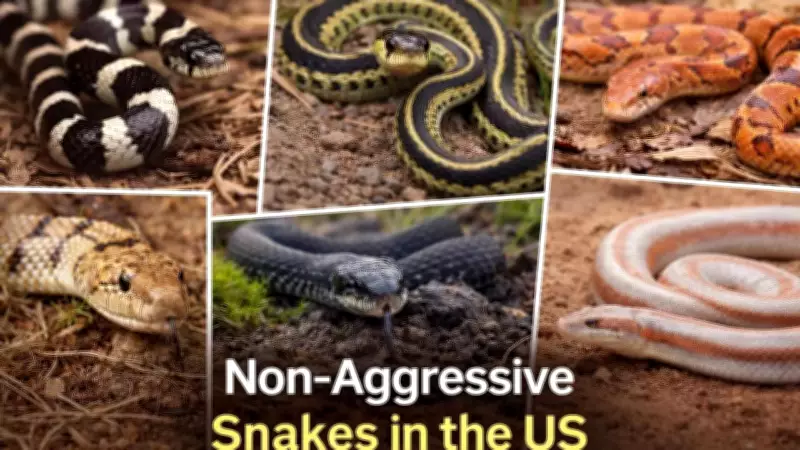
Common Garter Snake: This widespread species is easily identified by its striped body and is commonly found in gardens, fields, and neighborhoods across North America. Non-venomous and relatively small, reaching lengths of only three feet, it is active during the day and feeds on pests like insects and slugs. Its docile nature and manageable size make it a popular choice for novice snake keepers.

California Kingsnake: Known for its distinctive bandings and adaptability to various environments, including forests, deserts, and urban areas, this snake is a predator that can consume other reptiles, including venomous ones. Despite this, it is noted for its docility in human interactions, often calming quickly in controlled settings.
Corn Snake: Primarily found in the southeastern United States, corn snakes are among the most popular pet snakes due to their docile temperament and ease of care. Available in a variety of colors, they are ideal for beginners seeking a gentle reptile companion.
Black Rat Snake: One of the longest snakes in North America, capable of growing up to nine feet, the black rat snake is non-aggressive and tends to avoid human contact. An excellent climber, it is often found in areas with rat infestations and remains calm when threatened.
Milk Snake: Recognizable by its vibrant, striped colors that sometimes mimic the venomous coral snake, milk snakes are harmless and have a wide range across North America. Their beauty, docile nature, and adaptability make them a favorite among enthusiasts.
Rosy Boa: As one of the few boa species in North America, the rosy boa is known for its slow pace and docile demeanor. Preferring to stay hidden and avoid confrontations, it is suitable for those seeking a slightly larger pet snake.
Dekay’s Brown Snake: This small, shy species thrives in moist habitats like gardens and suburbs. Due to its size and timid behavior, it rarely interacts with humans and feeds on worms and slugs, posing no threat.
Gopher Snake: Often mistaken for rattlesnakes due to their large size, gopher snakes are non-venomous and docile. When threatened, they may hiss loudly or mimic rattlesnake behavior as a defensive bluff to deter predators.
Mexican Black Kingsnake: With glossy black scales that have an iridescent sheen, this subspecies of kingsnake is celebrated for its friendly demeanor. Its docile nature and ability to thrive in captivity make it a popular pet choice.
Rubber Boa: Among the most docile snakes in North America, the rubber boa is small, slow-moving, and rarely displays aggression. When threatened, it curls up and hides its head, using its tail as a decoy, which has helped many people overcome their fear of snakes.
By learning about these non-aggressive species, we can move beyond misconceptions and appreciate the vital role snakes play in ecosystems. Whether for education or companionship, understanding their behavior promotes a safer and more respectful interaction with these fascinating reptiles.






