

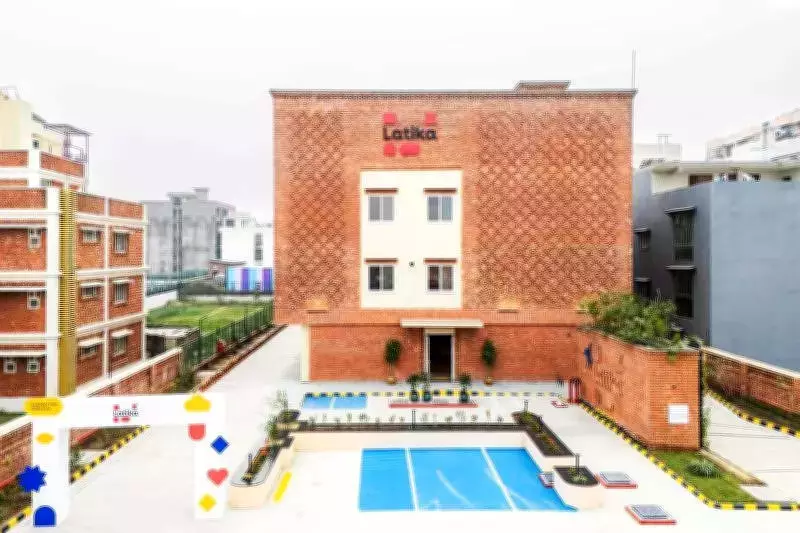
Dehradun NGO Latika Unveils Groundbreaking Accessible Campus for Children with Disabilities
In a significant move toward fostering inclusivity in education, Latika, a nonprofit organization based in Dehradun, has inaugurated a pioneering campus specifically designed with accessibility at its core for children with disabilities. This initiative marks a first-of-its-kind effort in the region, aiming to create a supportive and empowering environment for young learners.
Sustainable and Inclusive Design Principles
The new campus, spanning an impressive 56,000 square feet, is built on sustainable design principles that prioritize environmental responsibility and ease of maintenance. Utilizing local materials and craftsmanship, the facility incorporates low-maintenance, energy-efficient construction techniques. This approach not only reduces the ecological footprint but also ensures long-term viability for the organization.
According to experts, educational infrastructure that is entirely centered around accessibility remains scarce. Latika's campus seeks to bridge this gap by embedding universal design principles into its architecture from the very beginning. This holistic design philosophy ensures that every aspect of the facility is tailored to meet the diverse needs of children with physical and developmental challenges.

Comprehensive Features for Enhanced Accessibility
The campus is equipped with a range of features designed to promote safe mobility, learning, and participation. Key elements include a multi-storey ramp system that facilitates easy movement across different levels, barrier-free circulation pathways, and inclusive classrooms that accommodate various learning styles. Additionally, the facility offers dedicated therapy spaces and family support areas, providing a comprehensive ecosystem for both children and their families.
A parent of a student at the campus highlighted how accessibility is integrated at every level, from the physical infrastructure to the educational programs. This thoughtful design allows children aged 7 to 14 to not only receive quality education but also participate in life skills training, fostering their overall development and independence.
Support from Corporate Partners and Leadership Vision
The project received crucial support from Cushman & Wakefield, which provided CSR seed funding and pro bono project management assistance. Officials from the firm emphasized that each element of the campus has been meticulously designed to ensure that children with diverse needs can learn and grow with confidence. Anshul Jain, chief executive of Cushman & Wakefield's India office and retail division, stated, "Embedding accessibility into infrastructure from the outset expands opportunities and enables children with disabilities to learn and grow with confidence."
Jo Chopra, founder and executive director of Latika, expressed the organization's core belief driving this initiative: "The initiative reflects the belief that every child deserves to grow up in an environment where they are valued and can participate fully in community life." This vision underscores Latika's broader mission, which includes providing services such as early intervention, special education, therapies, family counseling, vocational training, and legal aid to promote greater inclusion for children with disabilities and their families.
Impact and Future Prospects
The new campus is set to cater to approximately 1,500 children, offering them a nurturing space where they can thrive academically and socially. By addressing the critical need for accessible educational infrastructure, Latika is setting a benchmark for other organizations and institutions to follow. This development not only enhances the quality of life for children with disabilities but also contributes to building a more inclusive society where every individual has the opportunity to reach their full potential.
As Latika continues its work under its former name, the Latika Roy Foundation, this campus represents a significant milestone in its ongoing efforts to champion the rights and well-being of children with disabilities across the region.






