As new diabetes and weight-loss injectables generate buzz ahead of their anticipated arrival in India, a leading expert emphasizes a timeless truth: foundational daily habits remain the cornerstone of effective management. Dr. V Mohan, in a consultation dated January 7, 2026, illustrated this through a revealing conversation with a patient, highlighting that the real challenge is not a lack of advanced tools but the collapse of basic routines.
The Patient's Dilemma: New Drugs vs. Foundational Control
The discussion began with a question from Mr. Raman, a 46-year-old who has lived with diabetes for eight years. Concerned about surviving 2026, he asked if the new generation of injections was essential for him. His reports showed an HbA1c—the three-month average blood sugar level—hovering around 7%, above the normal limit of less than 5.7%. His weight was still high, and his medication dosage had been increased.
Dr. Mohan redirected the focus from pharmaceuticals to personal rhythm. He identified the core issue of modern diabetes care: the loss of consistent daily discipline, not a shortage of medicines. In an era of smart glucometers, health apps, and powerful drugs, diabetes spirals when these fundamental basics quietly fall apart.
The Five Pillars of Sustainable Diabetes Management
Dr. Mohan outlined five simple, non-dramatic but highly effective factors that form the bedrock of diabetes control, far outweighing the hype around breakthrough drugs.
1. Prioritize Eating for Stability, Not Perfection
Fancy diets are not a prerequisite. The goal is regular meal timing, balanced plates with adequate protein and fibre, and reducing ultra-processed foods. Skipping meals and overeating later often causes more damage than the occasional sweet treat. Consistency in nutrition is key.
2. Incorporate Gentle, Daily Movement
Intense workouts are not mandatory. The benefits come from daily, gentle activity: walking after meals, light strength training, and stretching. These actions help prevent sharp blood sugar swings. Consistency in movement matters more than the intensity of the exercise.
3. Monitor Trends, Not Isolated Readings
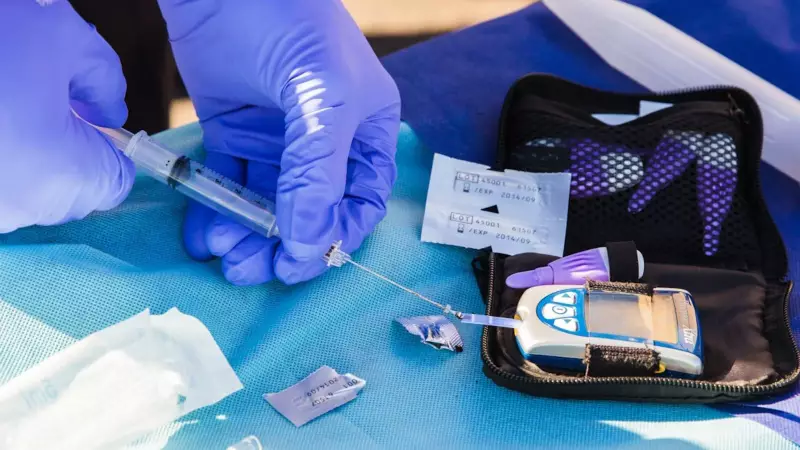
A single high blood sugar reading is a data point, not a personal failure. Panicking over one result often leads people to stop monitoring altogether, which is how complications creep in. In 2026, awareness is power only when you calmly analyze patterns and trends over time.
4. Treat Sleep and Stress as Medical Priorities
Poor sleep and high stress levels can no longer be dismissed as mere 'lifestyle extras.' Dr. Mohan stressed that they are now recognized as direct medical issues affecting insulin sensitivity, body weight, and personal motivation. Controlling them is integral to controlling diabetes.
5. Use Medicines as Support, Not Substitutes
While newer drugs can aid by reducing appetite, improving sugar levels, and offering cardiac protection, they perform best alongside healthy habits, not in place of them. Without the foundational basics, even the most advanced drug is likely to fail. Medications are a crucial support system, not a replacement for daily care.
The Path Forward: Engagement Over Fear
When Mr. Raman asked how to avoid the dreaded 'spirals' of poor control, Dr. Mohan's advice was straightforward: stay engaged. This means making small corrections early, ensuring regular medical follow-ups, and seeking help before reaching a point of burnout. Diabetes complications begin with silence and neglect, not suddenly.
The session ended on a hopeful note, with the patient remarking that this approach felt manageable. This, Dr. Mohan concludes, is the essential message for 2026: replacing fear and hype with steady, informed care, one ordinary day at a time.