

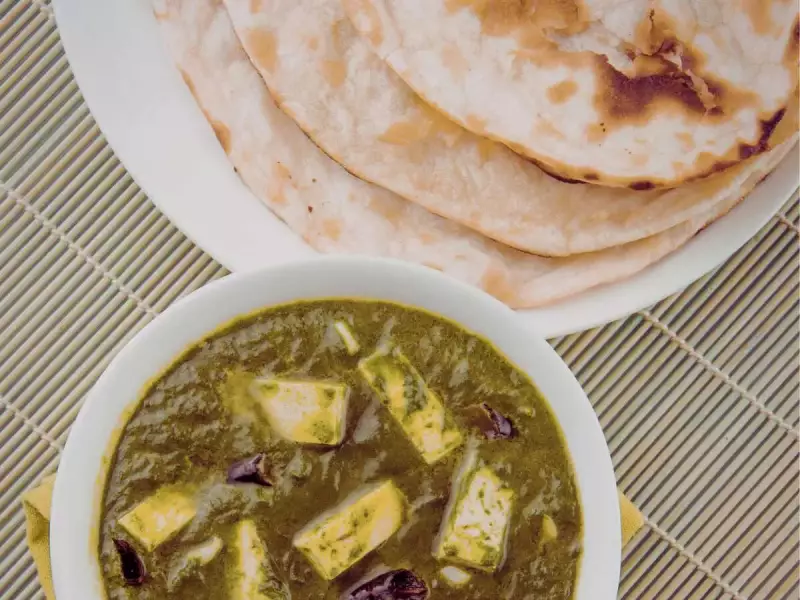
As the calendar turns to 2026, a wave of renewed focus on health and wellness sweeps across India. While ambitious resolutions are common, experts emphasize that it's the simple, consistent habits formed in the early weeks that truly shape long-term weight management success. Instead of drastic, unsustainable diets, the key lies in implementing practical, sustainable shifts in daily eating patterns.
Expert Advice for Sustainable Nutrition
According to Falguni Borkar, Head Dietician at HCG ICS Khubchandani Cancer Centre in Colaba, Mumbai, the food choices made at the start of the year can set the tone for metabolism, digestion, and overall eating behaviour for the months ahead. She outlines several foundational principles to remain fit and healthy throughout 2026.
Prioritise Local and Seasonal Foods
Borkar strongly advocates choosing wholesome foods that are local to your region and in season. This approach aligns with your body's natural affinity to digest foods from its own geographical location. The benefits are multifold: it facilitates smoother digestion, helps prevent indigestion, and promotes more efficient absorption of vital nutrients. This aspect of nutrient uptake is often overlooked in weight management strategies but is crucial for overall metabolic health.

The Non-Negotiable Breakfast
Never underestimate the power of the first meal. Breakfast is critical in determining daily energy levels and boosting metabolism. Skipping it can lead to low energy, increased cravings, and a slower metabolic rate. A balanced morning meal should include a mix of carbohydrates, proteins, and healthy fats. Borkar suggests traditional Indian options like sprouts poha, vegetable-stuffed paratha with curd, scrambled eggs, or dal chilla. These provide sustained energy release and help regulate appetite throughout the day.
The Power of Home-Cooked Meals
Taking control of your kitchen is taking control of your health. Home-cooked meals offer complete liberty over ingredients, quantities, and cooking methods. This allows for easy transformation of comfort foods into balanced diets. Borkar gives the example of dal khichdi—a simple dish that can be made protein-rich by topping it with steamed sprouts and cheese, finished with a spoonful of ghee for healthy fats.
Fill Half Your Plate with Vegetables
Vegetables, rich in fibre, vitamins, and antioxidants, are indispensable for digestion and satiety. A simple yet effective rule is to aim for at least half your plate to consist of cooked or steamed vegetables. The high fibre content promotes a feeling of fullness, which naturally prevents overeating and limits excessive calorie intake—a cornerstone of any successful weight loss strategy.
Smart Snacking is Key
Snacking is a common pitfall where health goals can be unintentionally sabotaged. Planning is essential. Keeping healthier snack options readily available can curb the temptation for unhealthy choices. Borkar recommends snacks like roasted makhana (fox nuts), roasted chana (chickpeas), a handful of dry fruits, sprouts, or yoghurt with fresh fruits. These choices help manage insulin resistance and reduce the urge to eat out or opt for processed foods.
By integrating these straightforward, sustainable habits from the beginning of 2026, individuals can build a strong foundation for a healthier body and more effective weight management that lasts well beyond the initial New Year motivation.






