

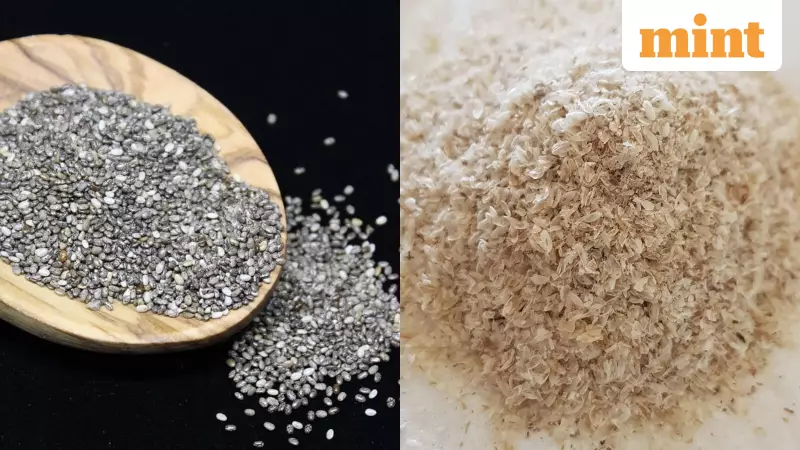
As digestive issues like bloating and Irritable Bowel Syndrome (IBS) become increasingly common in Indian households, people are actively seeking ways to boost their daily fibre intake. The current trend often leads them to imported superfoods like chia seeds. However, a leading gastroenterologist from Fortis Hospital is urging a second look at a humble, homegrown remedy that has been in Indian kitchens for generations.
The Imported Superfood Obsession vs The Local Hero
In a recent Instagram Reel that sparked widespread discussion, Dr. Shubham Vatsya, a Gastroenterologist at Fortis Hospital in Vasant Kunj, Delhi, addressed this very issue. He pointed out that while chia seeds have been brilliantly marketed in India, a far more effective solution for gut health is often overlooked: Isabgol, or psyllium husk.
Dr. Vatsya did not mince words, stating, "If Isabgol were marketed in India as well as Chia Seeds were, then half the bloating and gut issues of the Indian population would vanish." He backed this claim with a compelling nutritional comparison.

The Fibre Face-Off: A Stark Nutritional Difference
The core of Dr. Vatsya's argument lies in the type and amount of fibre each substance provides. He explained that while chia seeds contain only about 10% soluble fibre, Isabgol is a powerhouse with 70-80% pure soluble fibre. This makes psyllium husk a significantly more potent source of the fibre most beneficial for regulating digestion and soothing the gut.
Dr. Vatsya championed Isabgol as the "everyday gut hero". He detailed its multifaceted benefits: "It creates a fibre gel inside your gut – quietly supporting gut health, helping regulate digestion, ensuring better bowel regularity, and soothing the gut lining." Furthermore, it acts as a powerful prebiotic, nourishing good gut bacteria like bifidobacteria, which aid digestion and produce essential vitamins.
The doctor also highlighted its role in managing cholesterol and blood sugar by slowing glucose absorption and promoting a feeling of fullness. He noted that doctors routinely recommend Isabgol for IBS patients. The recommended dose is simple: just 1-2 spoons mixed well with water or curd, which also aids in hydration.
Social Media Weighs In: Daily Use Debate
While many social media users agreed with Dr. Vatsya on the benefits of Isabgol, a crucial point of caution emerged from the comments. Several users pointed out that psyllium husk might not be ideal for daily consumption. One user advised, "...taking isabgol every day is not ideal. It is better to consume it once a week or once every 10 days, not daily."
They contrasted this with chia seeds, which can be consumed daily due to their additional nutritional profile, including omega-3, protein, calcium, and antioxidants. Another user emphasized the importance of method, warning "Isabgol problem karta hai" if not taken correctly, stressing the need to know whether to mix it with milk, water, or curd.
The conversation initiated by Dr. Vatsya underscores a vital health message: sometimes, the most effective remedy is not a trendy import but a trusted, local staple whose science is now being reaffirmed. It encourages consumers to look beyond marketing and evaluate what truly works for their specific health needs.






