

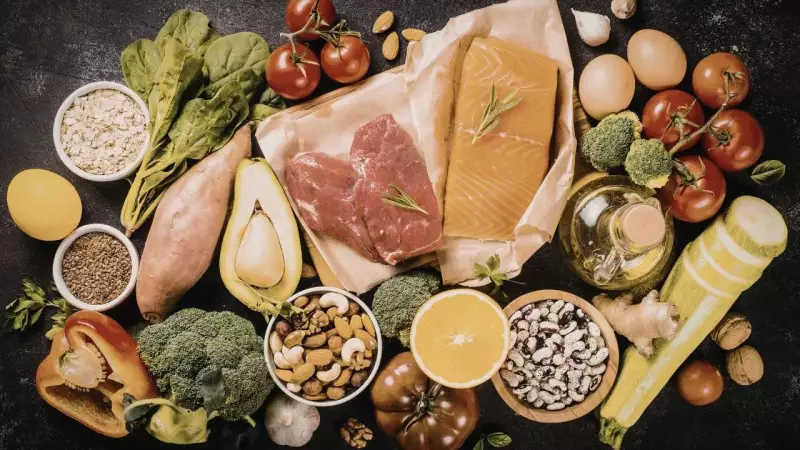
Ageing rarely arrives with a loud announcement. Instead, it creeps in silently. You might notice your body feeling heavier, your skin reacting unpredictably, or your energy levels dipping unexpectedly. While stress and sleep often take the blame, the role of diet in how we age is frequently overlooked. What you consume daily does more than just affect your weight; it directly influences inflammation, hormonal signals, immune function, and the daily wear and tear on your cells. Over decades, these factors collectively determine the pace at which ageing advances.
Dr Sethi's Eight Food Factors for Longevity
In a recent and insightful Instagram reel, Dr Sethi demystified this connection using straightforward examples and common foods. He outlined eight specific food-related factors that significantly impact the ageing process, disease risk, and overall mortality. His approach isn't about extreme diets or dramatic rules, but about identifying consistent, quiet patterns that accumulate over time to shape our health trajectory.
The process of ageing isn't switched on by a single bad habit. It is a gradual construction, built through repeated internal stress. This includes persistent inflammation, the consumption of poor-quality fats, unaddressed oxidative damage, and detoxification systems that struggle under pressure. The foods highlighted by Dr Sethi target these very issues, offering support not overnight, but consistently over the long term, allowing the body to age under significantly less internal strain.

The Essential Anti-Ageing Foods List
1. Anti-Ageing Fats (Olive Oil): Dr Sethi begins with fats that fight ageing, exemplified by olive oil. This is crucial because the fats we eat integrate into our cell membranes. Olive oil helps maintain flexible and healthy cell structures, unlike processed oils that can promote inflammation. This subtle protection supports brain function, skin elasticity, and cardiovascular health over the years.
2. Inflammation-Lowering (Fatty Fish): Fatty fish like salmon and mackerel are champions against chronic inflammation, a silent accelerator of ageing even in the absence of obvious symptoms. The omega-3 fatty acids in these fish help calm the body's low-grade inflammatory responses, leading to healthier joints, more resilient blood vessels, and reduced long-term organ damage.
3. Polyphenols (Berries): Berries are rich in polyphenols, protective plant compounds that neutralize free radicals. These unstable molecules cause quiet, cumulative damage to cells. Regular, moderate consumption of berries aids in reducing this oxidative load, supporting brain health and enhancing the body's natural repair mechanisms.
4. Anti-Oxidative Support (Green Tea): Green tea earns its place for its powerful antioxidants. It helps mitigate oxidative stress generated daily from pollution, diet, and normal metabolic processes. By easing this constant burden, green tea contributes to cellular health in ways that become profoundly important over a lifetime.
5. Heart-Healthy Fats (Nuts): Given the deep link between ageing and cardiovascular health, nuts are vital. They provide healthy fats, fibre, and essential minerals that support blood vessel integrity, help balance cholesterol, and promote steadier blood sugar levels, thereby reducing internal metabolic stress.
6. Immune Support (Fermented Foods): Foods like yoghurt, kimchi, and kefir bolster gut health, which is intricately connected to immune function. A well-supported gut microbiome leads to a more efficient immune system, lower baseline inflammation, fewer infections, and consequently, slower internal ageing.
7. Detox Pathway Activation (Cruciferous Vegetables): Vegetables like cauliflower, broccoli, and kale enhance the liver's natural detoxification processes. This isn't about trendy detox cleanses, but about providing basic nutritional support to the body's own daily waste-management systems. Improved efficiency here reduces cellular stress.

8. Mortality Reduction (Black Coffee): Concluding the list, Dr Sethi points to black coffee. Research associates moderate consumption with a lower mortality risk, thanks to its antioxidant content. Without added sugar or cream, coffee can support metabolic and heart health over the long term.
The Cumulative Effect: Slower, Gentler Ageing
Together, these eight food groups do not promise to stop ageing. Instead, they work to systematically reduce daily cellular damage, lower the body's internal stress levels, and create a more favourable environment for cells to function optimally for longer. The result is an ageing process that unfolds more slowly, quietly, and with far less harshness than it otherwise might.
Disclaimer: This information is intended for educational purposes only and is not a substitute for professional medical advice, diagnosis, or treatment. Always seek the guidance of your physician or another qualified health provider with any questions regarding your health or a medical condition.





