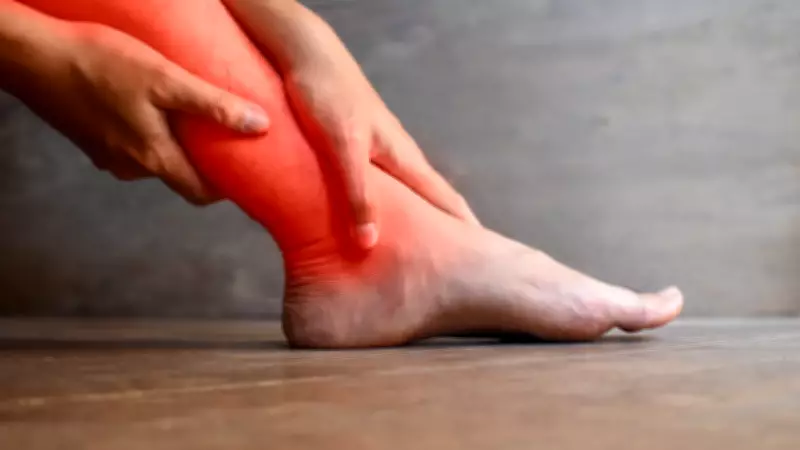
Why Your Legs Feel Heavy or Swollen by Evening: Medical Insights
Many individuals experience a peculiar daily pattern where their legs feel perfectly normal in the morning but gradually become heavy, tight, or slightly swollen as evening approaches. This phenomenon often manifests as shoes feeling tighter, sock marks lingering on ankles, or a dull ache that only subsides with rest. According to medical experts, this is frequently more than simple fatigue—it can be the body's signal that circulation is under significant stress.
Medical Perspective on Evening Leg Symptoms
Dr. Abhisar Katiyar, Senior Consultant & Robotic Surgeon in Orthopaedics & Joint Replacement at Yatharth Hospital, Greater Noida, emphasizes that these symptoms should not be dismissed. "Nighttime leg swelling, clinically known as peripheral edema, often indicates underlying systemic or vascular issues that are particularly common in India. Early diagnosis is absolutely crucial to prevent permanent complications," he explains. Essentially, the body may be struggling to properly circulate blood and fluids through the lower extremities. As the day progresses, the combined effects of gravity and daily activities make these circulation challenges more apparent.
Five Circulation Problems Behind Evening Leg Heaviness
1. Chronic Venous Insufficiency (CVI)
The veins in our legs work tirelessly against gravity, utilizing tiny valves that open and close to push blood upward toward the heart. When these valves weaken or become damaged, blood begins to pool in the lower legs—a condition known as chronic venous insufficiency. The characteristic pattern includes normal-feeling legs in the morning, increasing heaviness throughout the day, and noticeable ankle swelling by evening. Additional signs may include:

- Development of varicose veins
- Worsening symptoms with prolonged standing or sitting
- Skin darkening or itching around the ankles over time
This condition particularly affects office workers, teachers, shopkeepers, and anyone whose occupation requires extended periods of standing.
2. Congestive Heart Failure
The heart functions as the body's primary pump, continuously circulating blood throughout the system. When this pump weakens, blood moves more slowly, allowing fluid to leak from blood vessels and accumulate in the body's lowest points—typically the legs and ankles. Warning signs associated with heart-related swelling include:
- Swelling that intensifies in the evening
- Shortness of breath during physical activity
- Persistent fatigue that doesn't improve with rest
When leg swelling is linked to cardiac issues, it represents the body's urgent request for medical evaluation. Early intervention can prevent severe complications.
3. Kidney Disease
Our kidneys serve as the body's natural filtration system, removing excess salt, water, and waste products from the bloodstream. When kidney function declines, fluid begins accumulating in tissues, with the first visible signs often appearing in the ankles, feet, and lower legs. Sometimes facial swelling, particularly around the eyes, may also occur. Medical professionals typically recommend simple blood and urine tests to assess kidney function when persistent swelling is present. The body quietly retains fluid as filtration slows, with legs often revealing this imbalance most noticeably by day's end.
4. Lymphatic Filariasis
In several regions of India, leg swelling can have infectious origins. Lymphatic filariasis is a mosquito-borne parasitic disease that damages the lymphatic system, which normally drains excess fluid from tissues. When lymph vessels become blocked, fluid accumulates in the limbs, potentially leading to severe and permanent swelling over time. In advanced cases, extreme leg enlargement known as elephantiasis can develop. While India has made significant progress in eliminating this disease through initiatives like the National Vector Borne Disease Control Programme, it still affects some endemic regions. This condition demonstrates how seemingly ordinary mosquito bites can profoundly alter the body's circulation in lasting ways.

5. Liver Cirrhosis
The liver produces albumin, a vital protein that helps maintain fluid within blood vessels. When liver disease progresses to cirrhosis, albumin levels drop while blood pressure within the liver's portal veins increases. These combined changes allow fluid to leak into surrounding tissues. Clinical indicators often include:
- Leg swelling
- Abdominal fluid accumulation (ascites)
- Fatigue and appetite loss
The swelling observed in the legs frequently represents just the surface manifestation of deeper metabolic disturbances.
Why Symptoms Worsen Throughout the Day
Gravity plays a subtle yet significant role in circulation dynamics. During daytime activities involving sitting, walking, and standing, blood naturally flows downward into the legs. Healthy veins efficiently return this blood upward toward the heart. However, when circulation is compromised, fluid gradually accumulates. By evening, veins experience increased pressure, tissues retain more fluid, and legs consequently feel heavy and tight. This explains why physicians often inquire about symptom timing during consultations—the pattern itself can provide diagnostic clues.
When to Seek Medical Attention
Not every instance of swollen ankles indicates serious disease. Temporary fluid retention can result from long travel, heat exposure, or salty meals. However, certain warning signs necessitate medical evaluation:
- Daily recurring swelling
- Swelling affecting only one leg
- Calf pain or redness
- Breathlessness accompanying leg swelling
- Skin changes near the ankle area
Medical experts recommend seeking professional evaluation if swelling persists beyond a few days. Early diagnosis can prevent complications including chronic vein damage, organ disease progression, or infection development. The body often communicates warnings subtly, and heavy legs by evening may represent one such important signal that warrants attention.