As the winter chill sets in across India, many people find themselves grappling with more than just cold weather. A noticeable dip in mood, energy levels, and overall well-being often accompanies the season. This phenomenon, commonly referred to as the 'winter blues' or Seasonal Affective Disorder (SAD), can significantly impact daily life. However, experts emphasize that one of the most powerful tools to combat this seasonal slump is not found in medicine cabinets, but in our kitchens.
The Science Behind Food and Mood in Winter
Nutritionists and health professionals point to a direct link between what we eat and how we feel during the colder months. The reduced sunlight exposure leads to lower levels of serotonin, the 'feel-good' hormone, and can disrupt our circadian rhythm. Strategic dietary choices can help counteract these physiological changes. Consuming certain nutrients supports the body's natural production of serotonin and melatonin, regulates body temperature, and fortifies the immune system, which is often more vulnerable in winter.
Essential Foods to Incorporate in Your Winter Diet
To effectively fight the winter blues, experts recommend focusing on a few key food groups. First, complex carbohydrates are crucial. Foods like whole grains, oats, millets, and legumes provide a steady release of energy and aid in serotonin production, preventing the mood crashes associated with sugary snacks.
Secondly, Vitamin D-rich foods become paramount when sunlight is scarce. While the body synthesizes Vitamin D from sun exposure, dietary sources like fatty fish (mackerel, salmon), egg yolks, and fortified milk or cereals can help bridge the gap. This vitamin is essential not just for bone health but also for regulating mood.
Third, do not underestimate the power of proteins and healthy fats. Proteins from lean meats, poultry, lentils, and dairy contain amino acids like tryptophan, a precursor to serotonin. Omega-3 fatty acids, found in walnuts, flaxseeds, and fish, have proven anti-inflammatory properties and are linked to improved brain function and mood stability.
Practical Tips for Warming and Nourishing Meals
Beyond specific ingredients, how and what you eat matters. Health experts suggest several practical approaches:
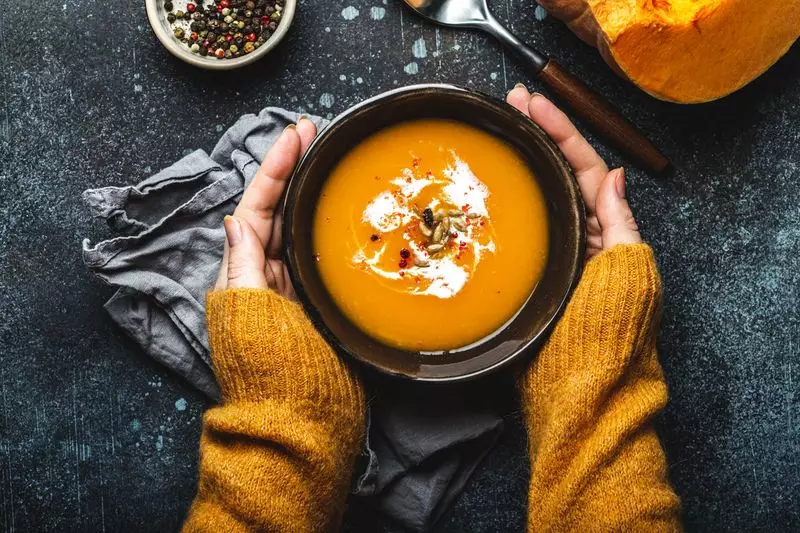
- Embrace Warm, Cooked Foods: Swap cold salads and sandwiches for warm soups, stews, khichdi, and steamed vegetables. These are easier to digest and help maintain core body temperature.
- Stay Hydrated with Warm Liquids: It's easy to forget to drink water in winter. Opt for herbal teas, warm water with lemon, and soups to stay hydrated, which is vital for energy and cognitive function.
- Incorporate Mood-Boosting Spices: Indian kitchens are already stocked with excellent options. Turmeric (with black pepper for absorption) has anti-inflammatory benefits. Ginger and cinnamon add warmth and aid digestion, while saffron has been studied for its potential antidepressant effects.
- Limit Sugar and Processed Foods: While the immediate craving for sweets may be strong, these foods lead to energy spikes and crashes, exacerbating feelings of fatigue and low mood.
Building a Holistic Winter Wellness Routine
While diet is a cornerstone, it works best when combined with other healthy habits. Experts advise pairing a nutritious winter diet with regular physical activity, even if it's a short walk during the brightest part of the day. Maximizing exposure to natural light, maintaining a consistent sleep schedule, and staying socially connected are all critical components of managing seasonal affective symptoms.
Ultimately, beating the winter blues is about proactive self-care. By consciously choosing foods that nourish the mind and body, you can build resilience against the seasonal chill. This winter, let your plate be your first line of defense, paving the way for improved energy, a stronger immune system, and a sunnier disposition regardless of the weather outside.