

Can Clipping Your Eyebrows Relieve Migraine Pain? AIIMS Neurologist Weighs In
A viral trend suggests clipping eyebrows might ease migraine pain. People are trying this method online. They share videos and posts about it. Many wonder if it really works. An AIIMS neurologist has now given an expert opinion on this practice.
What Is the Eyebrow Clipping Trend?
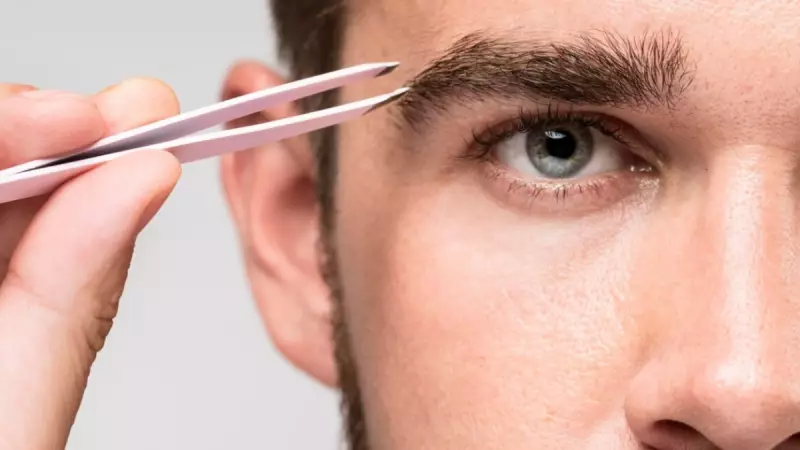
The trend involves using small clippers to trim eyebrow hairs. Supporters claim it reduces migraine symptoms. They say it provides quick relief from headaches. This idea has spread rapidly on social media platforms. Users report mixed results from their experiments.
Some individuals feel temporary comfort after clipping. Others notice no change in their migraine pain. The trend lacks scientific backing so far. It relies mostly on personal anecdotes and testimonials.

AIIMS Neurologist's Expert Analysis
The AIIMS neurologist explains the biological aspects of migraines. Migraines involve complex brain mechanisms and nerve pathways. They are not simply surface-level issues. Clipping eyebrows does not target the root causes of migraines.
Eyebrow hair removal might offer a placebo effect for some people. The act could distract from pain sensations temporarily. However, it does not address underlying neurological factors. The neurologist emphasizes the need for evidence-based treatments.
Proper migraine management requires medical diagnosis and therapy. Patients should consult healthcare professionals for effective solutions. Self-care methods like this may provide minimal or no real benefit.
Potential Risks and Considerations
Clipping eyebrows carries certain risks if done improperly. It can lead to skin irritation or infection. Over-trimming might cause uneven hair growth. People with sensitive skin should exercise caution.
Relying solely on this method could delay proper medical care. Migraine sufferers might neglect proven treatments. This could worsen their condition over time. The neurologist advises against substituting clinical advice with viral trends.
Alternative Migraine Relief Options
Several proven strategies exist for migraine relief. Medications prescribed by doctors often help manage symptoms. Lifestyle changes like stress reduction and regular sleep can make a difference. Dietary adjustments may also reduce migraine frequency.
Some patients benefit from relaxation techniques or physical therapy. Keeping a headache diary helps track triggers and patterns. Consulting a neurologist ensures personalized treatment plans.
The AIIMS expert recommends focusing on scientifically supported methods. While eyebrow clipping might seem harmless, its effectiveness remains unproven. Patients should prioritize health professional guidance for lasting relief.






