

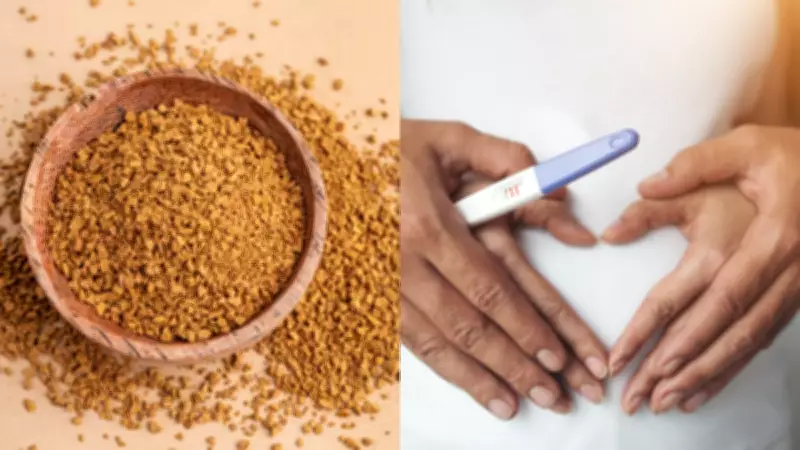
Fenugreek Seeds: A Natural Powerhouse for Health and Fertility
Fenugreek seeds, commonly known as methi, have long been celebrated in traditional medicine for their remarkable health properties. Recent interest has surged in their potential to support fertility and overall well-being in both men and women. This guide delves into the science-backed benefits and provides crucial safety tips for incorporating these seeds into your diet.
Fertility and Hormonal Benefits for Women
For women, fenugreek seeds offer significant advantages in reproductive health. They are rich in compounds like diosgenin, which may help regulate menstrual cycles and alleviate symptoms of polycystic ovary syndrome (PCOS). Studies suggest that fenugreek can improve ovarian function and support hormonal balance, potentially enhancing fertility. Additionally, its high iron content is beneficial for preventing anemia, a common issue that can affect reproductive health.
Enhancing Male Reproductive Health
Men can also benefit from fenugreek seeds, particularly in terms of fertility and libido. Research indicates that fenugreek may boost testosterone levels, improve sperm quality, and increase sperm count. Its antioxidant properties help protect sperm from oxidative damage, which is crucial for male fertility. Regular consumption has been linked to enhanced sexual performance and vitality, making it a valuable natural supplement for men's health.

General Health Advantages
Beyond fertility, fenugreek seeds provide a wide range of health benefits. They are known to aid in digestion, reduce inflammation, and help manage blood sugar levels, which is especially important for individuals with diabetes. The seeds also support heart health by lowering cholesterol and promoting cardiovascular function. Their high fiber content contributes to weight management and overall metabolic health.
Safe Consumption Guidelines
While fenugreek seeds are generally safe, it is essential to follow proper guidelines to avoid adverse effects. Here are key recommendations:
- Dosage: Start with a small amount, such as one teaspoon per day, and gradually increase to avoid digestive issues like bloating or gas.
- Preparation: Soak the seeds overnight or roast them lightly to enhance digestibility and reduce bitterness.
- Contraindications: Pregnant women should consult a healthcare provider before use, as fenugreek may stimulate uterine contractions. Individuals on blood-thinning medications or with allergies to legumes should exercise caution.
- Side Effects: Excessive consumption can lead to hypoglycemia or gastrointestinal discomfort. Monitor your body's response and adjust intake accordingly.
Incorporating Fenugreek into Your Diet
Fenugreek seeds can be easily integrated into daily meals. They can be added to curries, salads, or smoothies for a nutritional boost. Fenugreek tea, made by steeping the seeds in hot water, is another popular option. For those seeking convenience, supplements are available, but it is advisable to choose high-quality products and follow dosage instructions carefully.
In summary, fenugreek seeds are a versatile and potent natural remedy with proven benefits for fertility and overall health. By understanding their advantages and adhering to safe consumption practices, individuals can harness their potential effectively. Always consult with a healthcare professional before making significant changes to your diet, especially if you have underlying health conditions.






