Can a 'Fertility Diet' Truly Aid Conception? Science Weighs In
In recent years, the concept of a "fertility diet" has surged in popularity across social media platforms, wellness blogs, and even clinical discussions. From seed cycling, which involves consuming specific seeds to support hormone function, to expensive supplements and exotic superfoods, many couples attempting to conceive are often advised that strategic food choices can significantly enhance their pregnancy prospects. However, the critical question remains: how much of this advice is grounded in scientific evidence, and how much is merely a passing wellness trend?
The Role of Nutrition in Reproductive Health
The reality lies in a nuanced balance. While diet alone cannot "cure" infertility, nutrition undeniably plays a meaningful role in reproductive health for both women and men. Reproductive hormones, ovulation, sperm quality, egg quality, and implantation are all influenced by overall health. Nutrient deficiencies, obesity, undernutrition, and poor metabolic health can disrupt these vital processes. Research consistently demonstrates that women with balanced diets and healthy body weights tend to experience more regular ovulation, while men with good nutritional status often exhibit improved sperm count and motility. Nevertheless, it is crucial to note that no single food or supplement can guarantee conception.
What Science Actually Supports
Several large-scale studies, including significant work from the Harvard School of Public Health, have identified dietary patterns associated with better fertility outcomes. Longitudinal research, such as the Harvard-based Nurses' Health Study, links specific eating habits to enhanced reproductive results. These diets generally align with the Mediterranean diet, emphasizing nutrient-dense foods that reduce inflammation, stabilize blood sugar levels, and improve both egg and sperm quality. Importantly, these dietary patterns are not trendy or restrictive; they are balanced, sustainable, and closely resemble the nutritional guidelines doctors recommend for general health maintenance.

A Practical Diet Plan for Fertility
To support fertility, consider adopting the following dietary strategies:
- Choose Healthy Fats: Replace trans fats, commonly found in packaged snacks, fried foods, and bakery items, with healthy fats such as nuts, seeds, groundnut oil, mustard oil, fatty fish, and avocado to promote hormone balance.
- Rely on Quality Carbohydrates: Opt for whole grains like roti made from atta, brown rice, millets, oats, and legumes over white bread, sugary foods, and refined flour, which can spike insulin levels and disrupt ovulation, particularly in women with PCOS.
- Have Adequate Protein from Varied Sources: Prioritize plant proteins like dal, chana, rajma, soy, and paneer, which are linked to better ovulatory health compared to excessive red meat intake. Eggs and fish also serve as excellent protein options.
- Ensure Essential Nutrients: Folate, iron, vitamin B12, vitamin D, zinc, iodine, and omega-3 fatty acids are crucial for egg health, sperm health, and early fetal development. Deficiencies in these nutrients are common and often go unnoticed.
- Include Dairy in Moderation: Some studies suggest that moderate consumption of full-fat dairy may support ovulation more effectively than low-fat versions, though this should be tailored to individual needs.
Common Fertility Diet Myths Debunked
Many trends circulating online lack strong scientific backing. Seed cycling has no proven impact on hormones, and expensive "fertility superfoods" are not superior to home-cooked, balanced meals. Detox diets and juice cleanses can actually deprive the body of essential nutrients, while over-supplementation without medical guidance can be harmful.
What Couples Planning Conception Should Actually Do
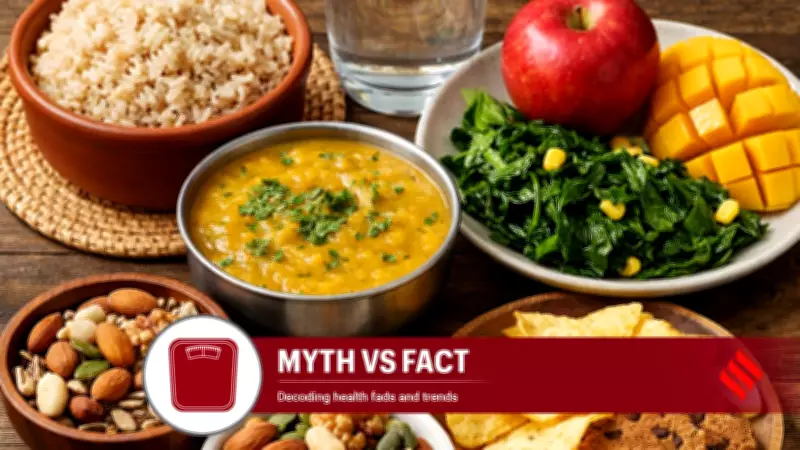
Instead of chasing fad diets, focus on constructing a nutritionally complete plate daily. A practical fertility-supportive meal should include:

- One portion of whole grains or millets
- One bowl of dal or another protein source
- One portion of green leafy vegetables
- One seasonal fruit
- A handful of nuts and seeds
- Adequate water intake
- Limited sugar, fried food, and packaged snacks
Women planning pregnancy should initiate folic acid supplementation at least three months before attempting to conceive. It is also advisable to check vitamin D and B12 levels, especially for vegetarians. Men should not overlook their diet, as nearly 40% of infertility cases involve male factors. Smoking, alcohol consumption, obesity, and poor dietary habits directly impair sperm quality.
Weight and Its Impact on Fertility
Both underweight and overweight individuals may encounter difficulties conceiving. For overweight women with PCOS, even a modest weight correction of 5–7% can restore ovulation in many instances. However, crash dieting is counterproductive, as it stresses the body and can worsen fertility outcomes.
In summary, a fertility diet is not a magical solution, but good nutrition creates an optimal environment for conception. Think of it as preparing the soil before planting a seed. The objective is not perfection but consistency in maintaining a healthy lifestyle.