

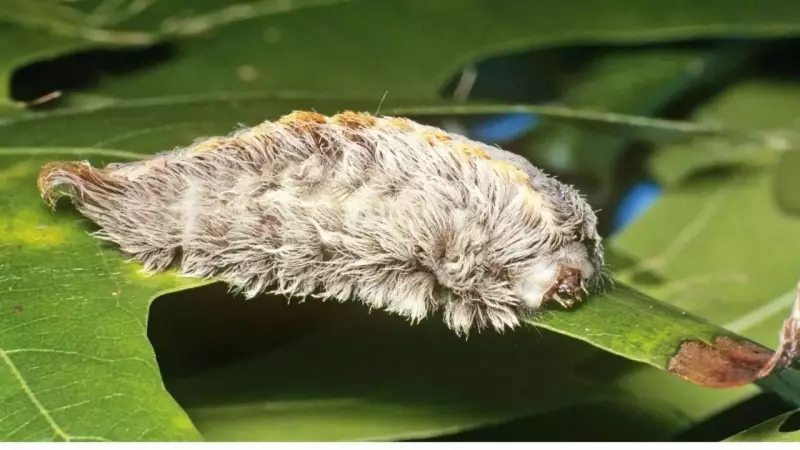
At first glance, it looks like a tiny, moving piece of plush toy. But the flannel moth caterpillar, commonly known as the puss caterpillar, is one of North America's most dangerous insects, masterfully disguising a potent venom within its soft, silky exterior. This creature perfectly demonstrates that in nature, appearances can be dangerously deceptive.
The Deceptive Beauty of a Venomous Insect
Covered in what seems like thick, inviting fur, the puss caterpillar appears completely harmless. This visual charm, however, is a clever evolutionary trap. The soft exterior acts as both camouflage and a lure, encouraging predators to touch it only to discover its hidden defence mechanism. This combination of beauty and pain significantly increases its chances of survival in environments filled with birds, mammals, and other insects.
Potent Venom and Its Painful Effects
Beneath its fluffy coat, the caterpillar is armed with hollow spines filled with powerful venom. When these spines pierce the skin, they release toxins that cause an immediate and intense reaction. Victims experience sharp, burning pain, significant swelling, nausea, and severe skin irritation. The venom directly affects nerve endings, creating a stinging sensation that can persist for many hours. Because of this potent chemical weaponry, scientists consider the puss caterpillar to be the most venomous caterpillar found in North America.

Evolution, Relatives, and Ecological Role
The flannel moth caterpillar's venom is the result of millions of years of evolution. The constant threat from predators created pressure to develop a highly effective defence system. While it feeds on the leaves of trees like oak and willow, its venom ensures it can forage without becoming prey itself. This insect is not alone; it belongs to a family of venomous flannel moths. Relatives like the black-waved flannel moth caterpillar can cause rashes and headaches, and the white flannel moth caterpillar's sting leads to blisters that can last nearly a day.
Researchers are deeply interested in the chemical makeup of this caterpillar's venom. Studying how its toxins interact with nerve cells provides valuable insights that could lead to advancements in pain management and medical treatments. Furthermore, by feeding on specific trees, these caterpillars play a crucial part in their ecosystem, influencing plant growth and maintaining the delicate balance between predator and prey.






