

FSSAI Reveals Optimal Daily Oil Consumption and Tracking Methods
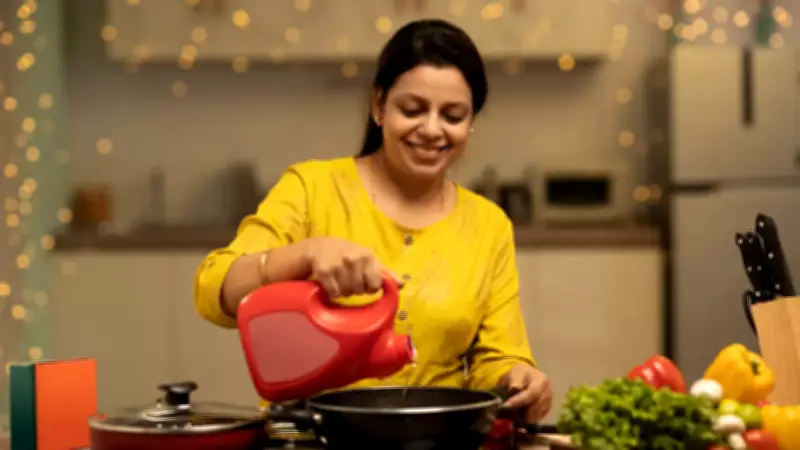
In traditional Indian cuisine, cooking oil is essential for enhancing flavor and providing nutritional benefits. These oils are calorie-dense, offering concentrated energy to support daily activities, while healthy fats aid in better nutrient absorption. Each type of oil has a distinct smoke point, determining its suitability for frying, sautéing, roasting, or slow cooking without degrading or forming harmful compounds. Despite their importance, oils are often misunderstood as dietary villains, leading to recommendations for avoidance. However, the body requires oils for smooth functioning, highlighting the need for balanced consumption.
Recognizing this, the Food Safety and Standards Authority of India (FSSAI) recently shared an informative video on its X platform, featuring renowned liver expert Dr. Shiv Sarin. In the video, Dr. Sarin clarifies the appropriate daily oil intake and effective strategies for monitoring consumption, providing valuable insights for healthier eating habits.
Safe Oil Intake Levels and Practical Tracking Techniques
According to Dr. Sarin, oil intake should be restricted to a maximum of 20% of total daily calorie intake. He notes that many individuals unknowingly consume approximately 5–6 spoons of oil or ghee daily, with each spoon containing about 5 grams, quickly accumulating to significant amounts. Dr. Sarin emphasizes the distinction between visible and hidden fats, cautioning against excessive oil added during cooking. He advises that minimizing extra oil consumption can yield substantial health benefits, promoting better overall wellness.

Alternative Sources of Beneficial Oils
The video also highlights natural oil sources from nuts such as peanuts, almonds, and walnuts, which are advantageous for health. Walnuts, in particular, are rich in omega-3 fatty acids, supporting cardiovascular and cognitive functions. Incorporating these nuts into diets can provide essential fats without relying solely on cooking oils, diversifying nutritional intake.
Ideal Oils for Indian Culinary Practices
Research from PMC indicates that stability under high heat and fatty acid composition are crucial for Indian cooking. Oils high in saturated fats, like ghee and coconut oil, remain stable during frying, with medium-chain saturated fats in coconut oil showing no adverse health effects. Mustard oil is another preferred option due to its favorable fatty acid ratios and relative stability. Conversely, refined oils high in polyunsaturated fatty acids degrade easily and should be avoided for frying to prevent the formation of toxic substances.
Delicious Zero-Oil Recipe Ideas
For those seeking to reduce oil intake, here are easy and nutritious zero-oil dishes:
- Moong Dal Chilla: Prepare a batter with moong dal and vegetables, cook on a non-stick pan by sprinkling water and rubbing an onion for a non-stick effect.
- Steamed Vegetable Momos: Use atta or millet flour for the dough, stuff with chopped cabbage, carrot, and paneer or tofu, then steam and serve with peanut-chili chutney.
- Vegetable Clear Soup: Simmer carrots, beans, cabbage, and mushrooms in water, add spices, boil, and garnish with condiments for a light broth.
- Fruit & Nut Yogurt Bowl: Soak oats in curd overnight, top with seasonal fruits, nuts, and seeds for a wholesome breakfast.
- Steamed Poha: Wash poha, mix with turmeric and salt, steam, then add boiled peas, onion, lemon juice, coriander, chaat masala, and roasted peanuts.
These recipes demonstrate that healthy eating can be flavorful and satisfying without relying on oils, aligning with FSSAI's recommendations for balanced nutrition.






