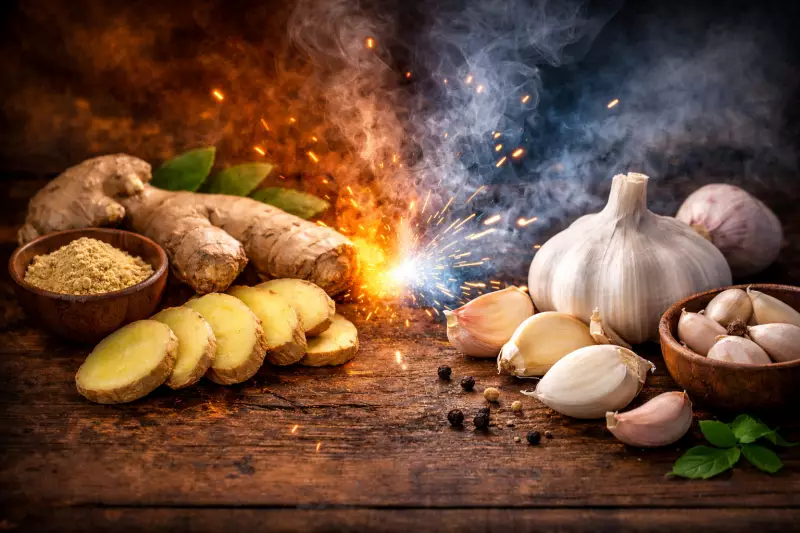
In countless Indian homes, garlic and ginger are fundamental companions in the kitchen, their pungent aromas a daily backdrop to cooking. Yet, when health falters—be it a stubborn cold, seasonal sniffles, or persistent tiredness—a quiet debate often stirs: which of these two humble ingredients truly offers more support for our immunity? The truth, while not miraculous, is rooted in distinct and reliable science.
The Protective Power of Garlic
Garlic's formidable reputation stems from its sulphur-rich compounds, most notably allicin. This bioactive substance forms when garlic is chopped or crushed, unleashing a wave of antimicrobial and anti-inflammatory actions within the body. This mechanism is why garlic has been historically linked to guarding against infections.
It is crucial to understand that garlic does not act as an instant immune booster. Instead, consistent, regular consumption helps reinforce the body's natural defences. It enhances immune cell activity and can reduce both the severity and duration of common illnesses. Research indicates that individuals who include garlic in their diet regularly may experience fewer infections and potentially quicker recovery times.

Beyond direct immune support, garlic promotes gut health and improves circulation. A balanced gut environment is vital for a well-regulated immune system, while better blood flow ensures immune cells travel efficiently throughout the body. To gain the most active compounds, consuming garlic raw or lightly cooked is ideal, though cooked garlic still contributes valuable long-term benefits.
A significant caveat exists: raw garlic can be harsh on sensitive stomachs, potentially causing burning, acidity, or nausea, especially if taken on an empty stomach. For those with delicate digestion, moderation is far more important than consuming large, raw doses.
The Regulatory Strength of Ginger
Ginger operates on a different principle. Its efficacy comes from compounds like gingerols and shogaols, known for their potent anti-inflammatory, antioxidant, and warming properties. Unlike garlic's more direct antimicrobial approach, ginger excels at calming systemic inflammation and helping the body manage various stressors.
This makes ginger exceptionally useful during active illness. It soothes sore throats, aids in clearing congestion, supports healthy digestion, and improves circulation. The comforting sensation of ginger tea during a cold is not just psychological; it actively assists the body's recovery processes.
Ginger is generally gentler on the stomach than raw garlic. It aids digestion, reduces bloating, and enhances nutrient absorption. When the digestive system functions smoothly, the immune system is less burdened and can operate more effectively. Its versatility also allows for easy daily inclusion—whether fresh, dried, powdered, or infused in drinks.
Choosing Your Ally: Garlic or Ginger?
The core difference is clear: garlic is more protective, helping the body fend off external threats more efficiently. Ginger is more regulatory, aiding the management of inflammation, stress, and recovery symptoms.
If your primary goal is to reduce the frequency of catching infections, garlic holds a slight edge. If you need to ease existing symptoms like a sore throat, congestion, or digestive upset, ginger is the superior choice. Importantly, neither works in isolation. A robust immune system is built on consistent sleep, balanced nutrition, stress management, and overall healthy habits.
The best approach is to listen to your body's current needs. For recurring infections or slow recovery, incorporate small amounts of garlic into daily meals, allowing crushed garlic to sit for a few minutes before cooking to preserve allicin. For frequent digestive issues, throat irritation, or a feeling of general inflammation, make ginger a daily companion through tea or meals.

For most households, the most sensible and effective strategy is to use both in harmony. A ginger-garlic paste forms an excellent culinary base that provides steady benefits. During seasonal changes, daily ginger tea can be paired with garlic used routinely in cooking. The golden rule is consistency over excess; overloading on raw remedies can backfire, causing digestive distress that ultimately weakens immunity.