

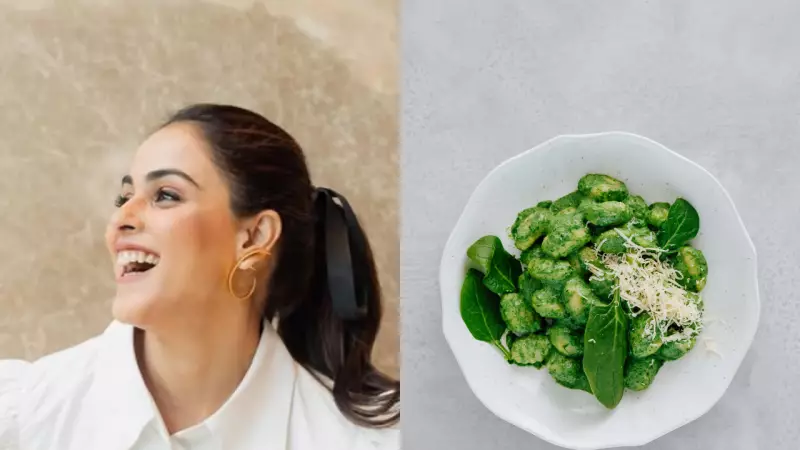
Have you ever finished a meal only to feel heavy and sluggish, wondering if food should instead leave you feeling vibrant? This is the exact question that prompted Bollywood actress Genelia D'Souza to reevaluate her diet, leading to a profound health transformation that began in 2017 and culminated in a full vegan lifestyle by 2020.
The Initial Spark: Turning Vegetarian in 2017
In a candid conversation with Soha Ali Khan on her YouTube channel, Genelia D'Souza opened up about her dietary shift. She gave up meat in 2017, marking her transition to vegetarianism, though she continued to consume dairy, cheese, and eggs at that time. Coming from a family that enjoyed meat, her perception of vegetarian food was initially limited to staples like peas, potatoes, and paneer.
She described the initial motivation as somewhat personal. "My first step toward being vegan was selfish as I thought this kind of living would be better for my health," Genelia admitted. The effects were noticeable quickly. She experienced lighter meals, the disappearance of post-lunch energy slumps, more stable energy levels throughout the day, and smoother digestion. These changes are often attributed to reducing saturated fats and cholesterol, while the increased fiber from plants supports gut health and stabilizes blood sugar.

The Lockdown Leap: Embracing Full Veganism in 2020
The journey to complete veganism was a family affair, influenced heavily by her husband, actor Riteish Deshmukh. Riteish had given up meat in 2016, and during the COVID-19 lockdown in 2020, he suggested they eliminate all animal products together. "Everyone was scared," Genelia recalled, and the home-bound period presented the perfect opportunity for an experiment.
The results were rapid and convincing. Both she and Riteish began feeling significantly better. They noticed that even small amounts of dairy, like milk or butter on roti, caused bloating. This elimination diet helped remove hormones and casein from dairy that can cause inflammation and digestive issues. Genelia observed improved focus, reduced puffiness, glowing skin from plant antioxidants, and better weight management.
Studies, including one from Oxford, suggest plant-based diets can lower cardiovascular disease risk by up to 32% and are associated with a 15% lower cancer risk, thanks to factors like fiber intake and the presence of natural nitrates that relax blood vessels.
Navigating the Vegan Path with Awareness
Genelia is transparent about the learning curve, stating, "I didn't do everything perfectly in my year one, and I am still not, but I learn every day." Nutritionists like Kinita Patel emphasize that any poorly planned diet can lead to deficiencies, including in meat-eaters who may lack Vitamin B12.
The key, experts advise, is thoughtful planning. This includes:
- Getting regular blood tests to monitor levels of Vitamin B12, iron, omega-3s, and Vitamin D.
- Incorporating fortified foods like nutritional yeast.
- Using algae oil for omega-3s and pairing iron-rich lentils with vitamin C (like lemon) for better absorption.
- Including ample nuts and seeds for healthy fats.
For Genelia, what began as a health-focused choice gradually intertwined with ethical considerations, especially after becoming a mother. The practical benefits kept her committed, transforming dietary swaps—like choosing tofu over paneer or chickpea scrambles instead of eggs—into sustainable habits. She highlights that Indian cuisine, with its dals, sabzis, and millets, offers a strong foundation for a varied and nutritious plant-based diet.
Her story serves as an encouraging reminder: start with a change that feels right for your body, and the positive effects—from a thriving gut microbiome to steady energy—can unfold naturally, one lighter plate at a time.






