

Historic Breakthrough in Great Indian Bustard Conservation
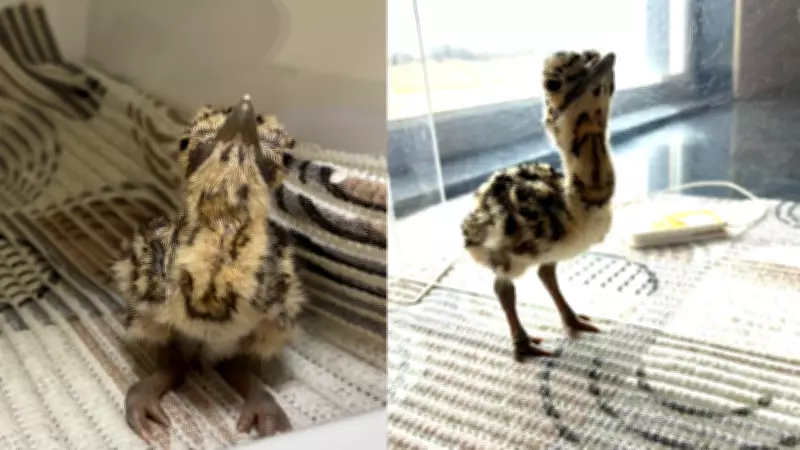
In a significant development for wildlife conservation in Rajasthan, the first chick of the year has been successfully born at the Great Indian Bustard (GIB) Breeding Centre in Ramdevra near Pokaran, Jaisalmer. This achievement marks a crucial milestone as the chick was produced using advanced artificial insemination technology, bringing renewed optimism to conservation efforts for this critically endangered species.
Official Confirmation and Population Growth
Union Environment Minister Bhupender Yadav officially confirmed this breakthrough through a social media announcement on Saturday, expressing satisfaction with the progress being made. According to the minister's statement, the total number of Great Indian Bustards at the conservation breeding centers in Sam and Ramdevra has now reached 73 individuals.
This includes five new chicks added during the current breeding season, demonstrating tangible results from sustained conservation efforts. Minister Yadav emphasized that under India's long-term conservation strategy, the country is progressing toward rewilding these magnificent birds in their natural habitats in the foreseeable future.

Ramdevra Breeding Centre's First Success
Deputy Conservator of Forests for Desert National Park, Brijmohan Gupta, provided detailed information about this historic achievement. The Ramdevra Breeding Centre, which was established in 2022, has recorded its very first chick birth this year. The chick was born on March 26 through artificial insemination technology, developed from an egg produced by a female GIB named "Jerry" and a male named "Parv."
This represents a major accomplishment for the Ramdevra facility, which has been specifically designed with controlled environmental conditions, secure enclosures, and comprehensive scientific monitoring systems to ensure successful breeding of this critically endangered species. With this success, Ramdevra has now established itself as a valuable addition to the GIB conservation network alongside the existing Sam–Sudasari facilities.
Project GIB and Scientific Advancements
The conservation initiative is being implemented under Project GIB, which was launched in 2018 as a collaborative effort between the central government, Rajasthan state government, and the Wildlife Institute of India. Initially, the project encountered numerous challenges due to the rapidly declining wild population and extremely low natural breeding rates of the species.
However, persistent scientific efforts over the past seven years have begun producing visible, measurable results. Dr. Suthirto Dutta, senior scientist at WII and coordinator of the GIB Breeding Centre, revealed that four chicks have been born this year at the Sam Breeding Centre and one at Ramdevra through artificial insemination, bringing the total number of new chicks to five for this breeding season.
Why Artificial Insemination Matters
Wildlife experts have identified several critical factors that make artificial insemination technology essential for GIB conservation:
- Natural breeding of Great Indian Bustards occurs at a slow rate and faces multiple threats
- Predation by natural predators presents constant danger to eggs and chicks
- Extreme temperature fluctuations in desert environments create additional challenges
- Human activities and habitat encroachment further endanger breeding success
Artificial insemination has emerged as a transformative conservation tool by significantly improving fertilization success rates and ensuring safer incubation under carefully controlled laboratory conditions. This technological approach has substantially boosted conservation efforts for a species that faces imminent extinction threats in the wild.
The successful birth at Ramdevra represents more than just another chick added to the population—it symbolizes hope for the future of one of India's most endangered avian species and demonstrates how scientific innovation can complement traditional conservation methods to protect biodiversity.






