

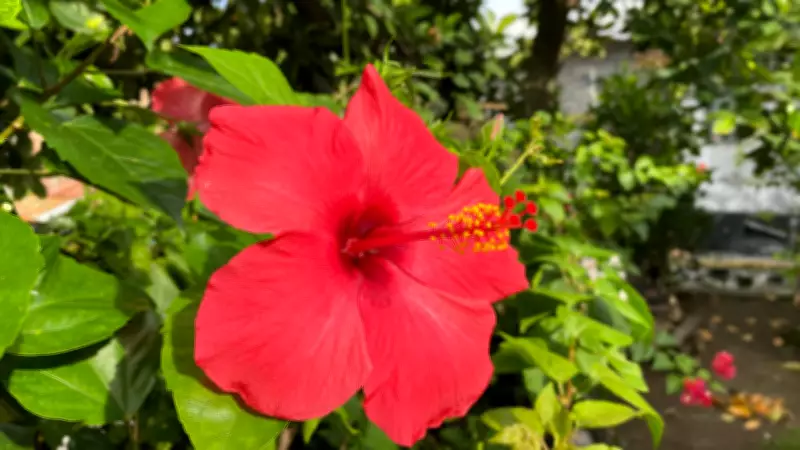
Hibiscus is one of those plants people assume is easy because they have seen it everywhere. In front of houses, around gates, even in balconies that do not appear well-kept. It creates the impression that it only grows naturally. Then you get one home, and it is not flowering, the leaves are falling, and you do not know what happened. Nothing dramatic usually goes wrong with hibiscus. It is just that small things start adding up. If it is not getting enough sun, it will not flower. That is simple.
This is where most people slip
The plant may look fine in shade. It will grow leaves, it will not die immediately, so it feels like everything is okay. But hibiscus does not bloom without proper sunlight. It needs direct light for a few hours, not just brightness. A balcony that gets good sun works. Keeping it inside near a window usually does not. If there are no flowers, light is almost always the first thing to check.
The soil should not feel heavy
A lot of people use regular soil and hope for the best. The problem is that kind of soil tends to hold water for too long. Hibiscus roots do not like that. The plant begins to slow down, and it reflects over time. The plant reacts better when the soil is lighter and has proper drainage. Water seeps in, surplus leaks out, and roots do not sit in water all day. You do not need anything fancy. Just avoid dense, sticky soil.

Watering is not about doing it every day
This is probably the easiest way to mess it up. Overwatering is worse than skipping a day. Before you water again, the soil must be a little dry on the surface. If it is still wet, leave it. In summer, yes, it needs more water. But that does not mean it needs it constantly. Once you get used to checking the soil instead of following a routine, it becomes easier.
If it stops flowering, it usually needs feeding
Hibiscus does not just grow leaves. It keeps trying to flower, which takes energy. If the soil is not getting anything back, the plant slows down. It might still look green, but flowers reduce or stop completely. Even the occasional addition of compost makes a difference. It is not apparent at first, but in a few weeks new buds begin to form.
Cutting it back actually helps
At some point, the plant starts looking tired. Longer branches, fewer flowers, uneven growth. That is usually when it needs a trim. You do not have to cut it aggressively. Just removing older or dry parts is enough to push new growth. And the new growth is where the flowers come from.
The plant tells you when something is off
Hibiscus does not quietly struggle. When it is not right, it shows. Leaves turn yellow, buds fall off, or the plant itself looks dull. In the vast majority of cases, it boils down to the same few things: light, water, or soil. Once you fix that, it usually recovers faster than expected.
Hibiscus is not a difficult plant
It just does not like being overmanaged. Give it sunlight, do not drown it, and leave it alone enough to do its thing. That is usually all it takes.






