For centuries, Indian kitchens have revered a humble, unrefined sweetener that is now being rediscovered as a nutritional powerhouse. Known as gur in Hindi or jaggery in English, this golden-brown block of concentrated sugarcane juice is stepping out of the shadows of refined white sugar and into the spotlight of wellness conversations.
What Exactly is Gur and How is it Made?
Gur is the traditional, non-centrifugal cane sugar consumed across Asia, Africa, and Latin America. Its production is a testament to simplicity and minimal processing. Unlike its highly refined counterpart, white sugar, jaggery retains a significant amount of the natural molasses and minerals present in sugarcane.
The process begins with the extraction of juice from crushed sugarcane. This juice is then boiled in large, open pans for several hours. During this slow cooking process, impurities are meticulously skimmed off the top. The concentrated, thick liquid is then poured into molds or onto flat surfaces to cool and solidify into the characteristic blocks or cones of gur we know. This minimal processing is the key to preserving its nutritional profile.
The Nutritional Edge: Gur vs. Refined Sugar
The stark difference between gur and white sugar lies in their composition. Refined sugar is 99% pure sucrose, offering empty calories with no vitamins or minerals. Gur, on the other hand, is a complex carbohydrate that provides more than just sweetness.
It is a source of essential minerals like iron, magnesium, potassium, and calcium. It also contains trace amounts of B vitamins and phytonutrients from the plant sap. While it is still a form of sugar and should be consumed in moderation, its glycemic index is generally considered lower than that of white sugar, meaning it causes a slower, more gradual rise in blood glucose levels.
Five Proven Health Benefits of Incorporating Gur
1. Digestive Aid: A small piece of gur after a meal is an age-old digestive ritual in many Indian households. It stimulates digestive enzymes, helps in the breakdown of food, and can prevent and relieve constipation by activating the bowels.
2. Rich Source of Iron: For individuals with anemia or iron deficiency, gur can be a beneficial dietary addition. The iron present in it is non-heme iron, and its absorption is enhanced when consumed with a source of vitamin C, like amla or lemon.
3. Natural Detoxifier: Jaggery acts as a natural cleansing agent for the body. It helps cleanse the respiratory tract, lungs, food pipe, stomach, and intestines. Its consumption is often recommended for people working in polluted environments to help clear particulate matter from the body.
4. Boosts Immunity: Packed with antioxidants and minerals like zinc and selenium, gur helps combat free radical damage and strengthens the body's resistance to infections. A warm drink with gur and ginger is a common home remedy for colds and coughs.
5. Provides Sustained Energy: Unlike the quick spike and crash associated with white sugar, the complex sugars in gur are metabolized slowly. This provides a more sustained release of energy, keeping you active and preventing fatigue for longer periods.
How to Use Gur in Your Daily Diet
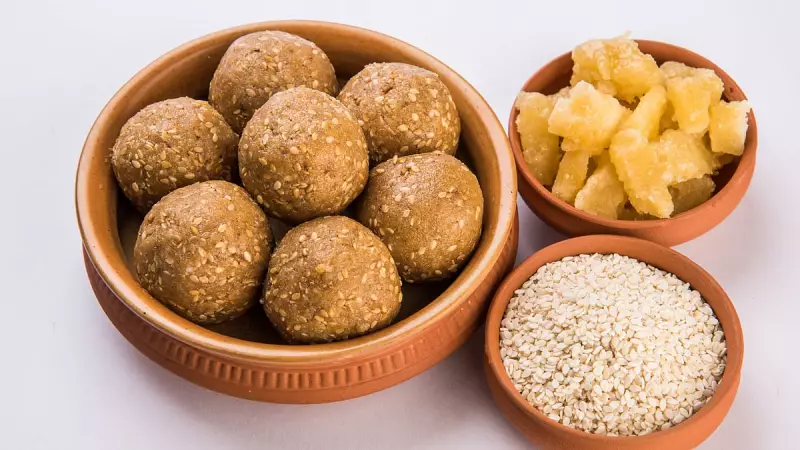
Integrating this desi superfood into your routine is simple. It can seamlessly replace refined sugar in most recipes. Use grated or powdered gur to sweeten your morning oatmeal, porridge, or smoothies. It is the key sweetener in traditional desserts like tilgul, gur ki roti, and pinni. A small piece can be enjoyed as a post-meal sweet. It also works wonderfully in savory dishes, adding a depth of flavor to lentil curries (like sambar), chutneys, and marinades.
However, moderation is crucial. Gur is still a calorie-dense sweetener. Nutritionists advise consuming no more than 10-15 grams (about one small piece) per day. Individuals with diabetes must consult their doctor before making any dietary changes, as gur does impact blood sugar levels.
The resurgence of gur is part of a larger movement towards mindful eating and a return to traditional, less-processed foods. As we reevaluate our food choices, this ancient sweetener stands out not just for its rich, caramel-like flavor, but for offering a touch of sweetness that comes with a genuine nutritional benefit. It's a reminder that sometimes, the wisdom of our ancestors holds the key to a healthier modern life.