

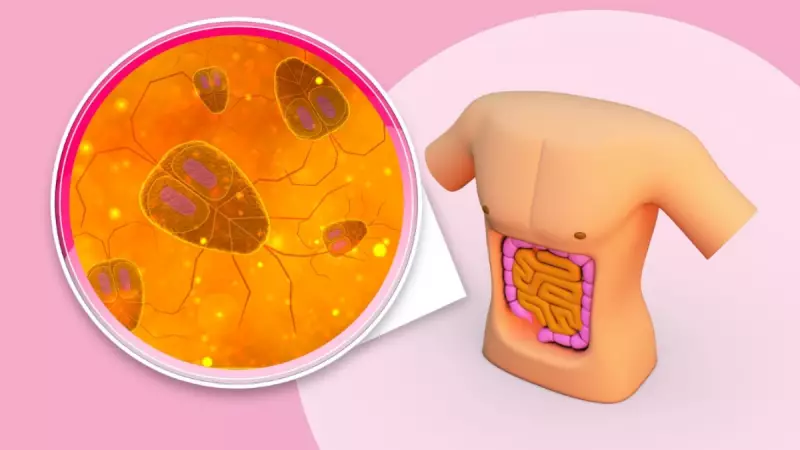
Forget thinking of your gut as just a digestive organ. Emerging science reveals it as a command centre influencing your brain, skin, immunity, and overall well-being. The trillions of bacteria residing in your intestines, collectively known as the gut microbiome, are now understood to be in constant communication with virtually every system in your body.
The Gut-Brain Axis: Your Second Brain
One of the most fascinating discoveries in modern medicine is the powerful two-way street between your gut and your brain, known as the gut-brain axis. This connection is so profound that the gut is often called the "second brain." It produces a significant amount of neurotransmitters, including about 90% of the body's serotonin, a key chemical responsible for regulating mood, sleep, and appetite.
When your gut microbiome is imbalanced—a state called dysbiosis—this communication breaks down. This can manifest as brain fog, anxiety, low mood, and even impact conditions like depression. An unhealthy gut can trigger inflammation that travels through the bloodstream to the brain, potentially affecting cognitive function and mental clarity.

Your Skin: A Mirror of Your Gut Health
If your skin is persistently problematic with issues like acne, eczema, or psoriasis, the root cause might lie within your digestive system. The gut-skin axis describes how internal inflammation and imbalances in gut bacteria can directly promote skin inflammation.
Leaky gut syndrome, where the intestinal lining becomes more permeable, allows toxins and undigested food particles to enter the bloodstream. The body's immune system reacts to these invaders, often triggering systemic inflammation that shows up on your skin as redness, breakouts, or accelerated aging. A diverse and healthy microbiome, on the other hand, helps control this inflammation, leading to clearer, more radiant skin.
Beyond Digestion: The Wide-Ranging Impact
The influence of gut health extends far beyond the brain and skin. A robust microbiome is fundamental to a strong immune system, with nearly 70-80% of immune cells residing in the gut. It aids in nutrient absorption, helps regulate metabolism and body weight, and even plays a role in hormonal balance.
Poor gut health, characterized by a lack of microbial diversity, is increasingly linked to a host of chronic conditions, including autoimmune diseases, type 2 diabetes, and heart disease. The state of your gut flora can determine how efficiently you extract energy from food, how you store fat, and how you respond to hormones like insulin.
So, how can you nurture this vital ecosystem? Experts recommend a focus on:
- Prebiotic-rich foods: Feed your good bacteria with fibre from garlic, onions, bananas, asparagus, and whole grains.
- Probiotic foods: Introduce beneficial bacteria through fermented foods like yogurt, kefir, kimchi, sauerkraut, and kombucha.
- Diverse, plant-based diet: Aim for a wide variety of fruits, vegetables, and legumes to promote microbial diversity.
- Reducing processed foods and sugar: These can feed harmful bacteria and promote inflammation.
- Managing stress and ensuring adequate sleep: Both significantly impact the composition of your gut microbiome.
Investing in your gut health is not just about avoiding bloating or indigestion. It's a foundational step towards better mental sharpness, clearer skin, a stronger immune response, and long-term vitality. By making conscious dietary and lifestyle choices, you can cultivate a thriving inner garden that supports your health from the inside out.






