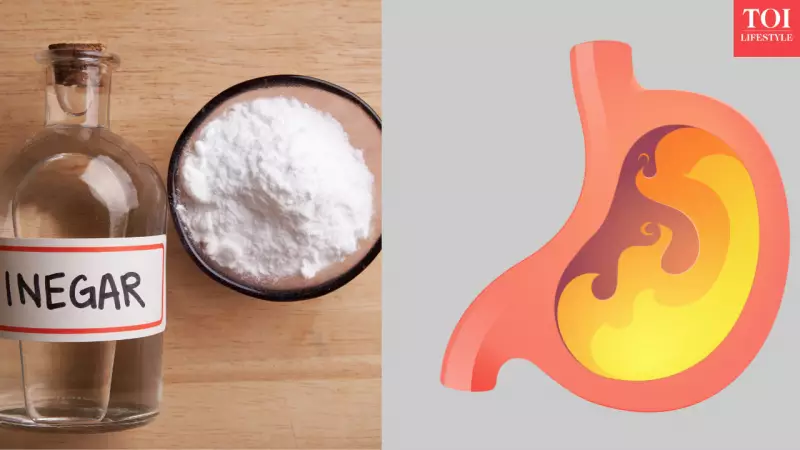
That sudden, sharp burn in your chest after a meal is a familiar and desperate feeling for millions. Commonly known as heartburn, it's primarily caused by stomach acid travelling back up towards the throat, a condition called acid reflux. While many reach for antacids, a surprising trend has people turning to kitchen staples like mustard, apple cider vinegar, or pickle juice for instant calm. But does this home remedy work for everyone? The answer, according to experts, is a resounding no.
The Science Behind The Vinegar Fix: Relief Or Regret?
Florida-based gastroenterologist Dr. Joseph Salhab recently shed light on this popular hack, explaining why the results are so varied. The core truth, he emphasizes, is individual body response. What soothes one person's stomach might severely inflame another's. Dr. Salhab warns that blanket advice misses these critical nuances and urges smarter, personalized choices based on specific symptoms.
So, when does vinegar actually bring relief? It can be effective in cases of bile reflux. This is a different condition where alkaline bile, not acidic stomach juices, flows back up. People often mistake this for low stomach acid, but experts clarify the distinction. Here, the acidity from vinegar might help balance the alkaline bile, providing noticeable discomfort.

Mustard, a popular quick fix, works through multiple mechanisms. Its bold flavour triggers a significant flow of saliva. This natural mouth rinse carries alkaline compounds that can help neutralize acid lingering in the esophagus. A quick spoonful may douse the burn before it intensifies. Furthermore, the tangy taste can cause a brief tightening of the lower esophageal sphincter—the ring of muscle that acts as a gatekeeper to the stomach. This temporary squeeze can block reflux from rising, cutting the pain short. However, Dr. Salhab notes these results are often spotty and fade quickly.
Why The Remedy Can Backfire: Understanding Your Reflux Type
For the majority suffering from classic acid reflux, where stomach acid is the culprit, adding more acid like vinegar is akin to pouring fuel on a fire. The esophagus lining, already raw from the acid assault, can flare up worse, prolonging misery. Triggers can also shift daily; mustard might relieve symptoms one night but spark intense heartburn the next. Factors like late meals, tight clothing, or stress amplify issues, making vinegar-based solutions a risky gamble.
Identifying your reflux type is crucial. Acid reflux typically brings sour burps and worsens when lying down. Bile reflux, on the other hand, often follows fatty meals and may be accompanied by a bitter taste in the mouth, nausea, vomiting, or unintended weight loss. Antacids usually fail to help bile reflux, underscoring the need for a proper diagnosis from a doctor, who may use an endoscopy or pH test for confirmation.
Smarter, Safer Steps For Sustainable Relief
Instead of relying on unpredictable hacks, building a reliable management plan is key. Start with foundational lifestyle changes:
- Opt for smaller, more frequent meals to prevent stomach overload.
- Stay upright for at least two hours after eating and consider propping up the head of your bed by six inches.
- Wear loose-fitting clothes to ease pressure on your stomach.
- Chew sugar-free gum to ramp up saliva production or sip ginger tea for gentle soothing.
- Avoid common trigger foods like tomatoes, chocolate, caffeine, and alcohol.
For reliable over-the-counter aid, antacids can neutralize acid fast. Proton pump inhibitors (PPIs) reduce acid production for longer-lasting relief, while alginates form a protective raft over stomach contents to seal reflux in. Dr. Salhab strongly advises that persistent heartburn demands a professional checkup. Ignoring chronic reflux, or GERD, risks serious complications like Barrett's esophagus. An endoscopy can spot damage early.

Dr. Salhab champions personalization over passing fads. While social media buzzes with quick hacks, evidence favors these basic, proven paths. You can experiment wisely, but always prioritize medical guidance. Reflux may steal the joy from meals, but tailored tweaks can help reclaim it. Listen to your body, track your symptoms wisely, and consult professionals. True relief lies in understanding your unique condition, not in chasing quick fixes. Consistent, small habits yield the biggest wins, meal by meal.