

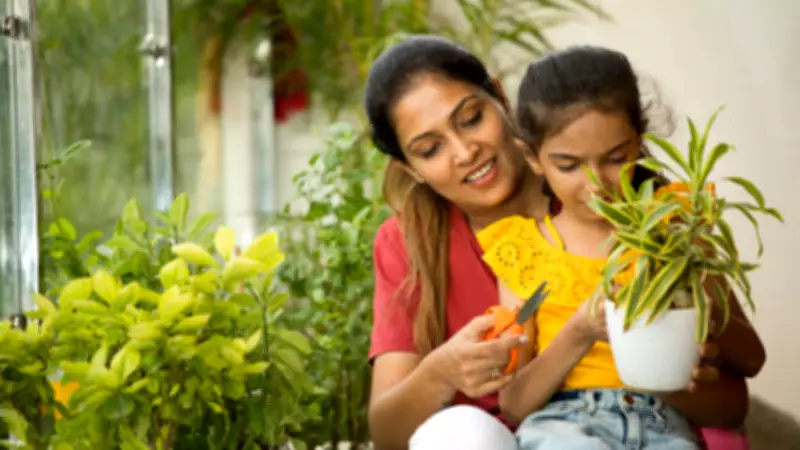
The Crucial Difference Between Helping and Responsibility in Child Development
In the journey of raising children, a subtle yet profound distinction exists between those who merely help at home and those who genuinely feel responsible for household tasks. This difference, while often overlooked, fundamentally shapes how children grow and develop into independent individuals.
Understanding the Core Distinction
Helping typically occurs when a child is instructed or prompted by an adult to complete a specific chore. It is a reactive behavior, driven by external commands rather than internal motivation. In contrast, responsibility emerges when a child performs a task because they recognize it as their own duty, understanding that their actions directly impact the household environment. This shift from external prompting to internal ownership is critical for fostering self-reliance and maturity.
The Modern Parenting Dilemma
Many contemporary parents find themselves doing nearly everything for their children, from packing school bags and filling water bottles to organizing books and cleaning rooms. This trend is not due to children's inability but often stems from a desire for efficiency—adults can complete tasks more quickly and easily. However, this approach creates a scenario where a child's life progresses smoothly, yet they are not actively steering their own experiences. Instead, they become passive participants, reliant on others to manage their daily routines.

Building Ownership Through Small Actions
True ownership does not arise from simply telling a child to be responsible. It develops when a child understands that certain outcomes depend on their actions, no matter how minor the task may seem. Examples include:
- Watering plants every evening
- Feeding the family pet
- Packing their own school bag
- Keeping shoes in an organized place
- Folding their own clothes
These ordinary activities silently impart significant lessons. They teach children that if they neglect their duties, those tasks will remain undone, fostering a sense of accountability and personal investment.
Learning Big Concepts Through Small Habits
When a child consistently waters a plant, they gradually learn about consistency and commitment. Packing their own bag instills responsibility, while forgetting an item and facing the consequences teaches accountability. These abstract concepts are mastered not through lectures but through repetitive, hands-on experiences that embed values into daily life.
The Impact on Long-Term Behavior
Children raised without assigned responsibilities often grow up waiting for instructions, lacking the initiative to identify and complete tasks independently. They may view work as something imposed by others rather than a natural part of contributing to a shared space. Conversely, children who take on small responsibilities from an early age develop a different perspective. They begin to see household chores as their own, understanding that a home functions smoothly when everyone contributes minor efforts, not when one person handles everything.
Cultivating Responsible Habits
Educating responsible children is less about admonishment and more about integrating small, daily responsibilities that evolve into ingrained habits. Activities like watering plants, packing bags, tidying up, assisting with home chores, and remembering personal obligations collectively build a robust sense of ownership. Over time, this foundation reduces the need for constant reminders, as children start to self-regulate and take initiative in their duties.
Ultimately, fostering responsibility in children through practical, everyday tasks prepares them for a future where they can navigate life with confidence, independence, and a proactive mindset.






