

Is Your Traditional Indian Diet Secretly Harming Your Heart?
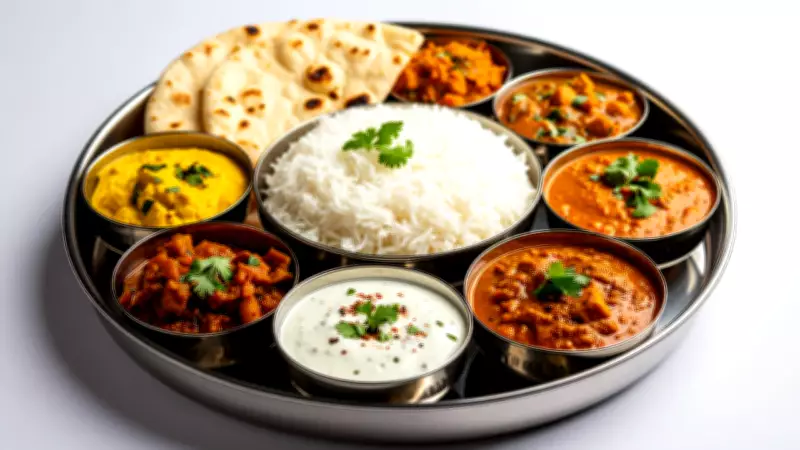
A home-cooked meal of dal, roti, sabzi, and a spoon of ghee often feels like the epitome of health and safety. However, this comforting assumption might be masking significant risks. India faces one of the highest burdens of heart disease globally, with rising cholesterol levels being a major contributor. The challenge lies in the fact that many foods linked to this risk appear perfectly healthy, being familiar and deeply ingrained in daily culinary practices.
The Misleading "Healthy" Label on Traditional Foods
There is a widespread belief that traditional foods are inherently healthy, but this holds true only when portions, cooking methods, and combinations remain balanced. Komal Malik, Head Dietician at Asian Hospital, explains, "Many people assume traditional foods are always beneficial, but that's not the case with cholesterol. Items like ghee, fried snacks, sweets, and some processed dals and pickles can contain high levels of unhealthy fats and salts, which elevate LDL cholesterol and compromise heart health." The critical factors are not just what you eat, but how often and in what quantities.
Ghee: The Golden Fat with Strict Limits
Ghee has long been a staple in Indian cooking, valued for enhancing flavor and aiding in the absorption of fat-soluble vitamins when used in moderation. However, excessive consumption is problematic. Portions have gradually increased over time, turning a drizzle into a pour. Malik notes, "Ghee is rich in saturated fats; high intake can raise LDL cholesterol. Portion control is essential." A practical solution is to measure usage—aim for one to two teaspoons per day instead of free pouring.

Refined Carbohydrates: The Stealthy Culprit
Cholesterol management isn't solely about fats; refined carbohydrates play a significant role. Foods like white rice, maida rotis, biscuits, and packaged snacks may seem harmless but trigger adverse bodily reactions. Malik elaborates, "Refined carbs stimulate the liver to produce VLDL and spike blood sugar, which converts into LDL cholesterol." Thus, a diet heavy in refined carbs can worsen cholesterol levels even without visible oils or fats.
Homemade Fried Foods: Not Always Safer
The comfort of "homemade" doesn't eliminate risks when it comes to frying. Dishes like pooris, pakoras, and repeatedly used tadka oils undergo high heat multiple times, generating oxidized fats that are detrimental to heart health. Malik warns, "Repeated oil heating creates harmful compounds that negatively affect lipid profiles." The issue isn't occasional indulgence but routine consumption that accumulates risk over time.
The Salt-Fat Duo in Pickles and Snacks
Pickles, papads, and namkeens often escape dietary scrutiny, yet they combine high salt with unhealthy fats. This pairing simultaneously raises blood pressure and disrupts cholesterol balance. A report by the Indian Council of Medical Research (ICMR) links diets high in salt and unhealthy fats to increased cardiovascular disease risk in India. The focus should be on reducing frequency and portion sizes rather than complete elimination.
Overall Dietary Patterns: The Real Issue
Damage stems from consistent patterns, not isolated "bad" foods. Veena V, Chief Clinical Dietician at Aster Whitefield, clarifies, "From a dietitian's perspective, foods like dal, roti, and ghee aren't inherently unhealthy; it's about how they're consumed, combined, and cooked." A typical Indian plate overloaded with carbs, low in fiber, and rich in fats sets the stage for rising LDL. Data from the National Family Health Survey (NFHS-5) confirms a growing trend in lifestyle-related risk factors, including obesity and lipid disorders.
Effective Solutions: Small Adjustments Over Drastic Bans
Improving heart health doesn't require extreme dieting but thoughtful modifications. Malik advises, "Moderation and balance are key. Incorporate whole grains, fruits, vegetables, legumes, and lean proteins while paying attention to cooking methods."

Practical Changes for Better Health
- Replace refined grains with whole options like oats, barley, and millets.
- Use mixed oils such as mustard, groundnut, or rice bran.
- Pair carbohydrates with proteins like dal, curd, or paneer.
- Boost fiber intake through fruits, vegetables, and seeds.
- Opt for steaming, grilling, or sautéing instead of deep frying.
A simple guiding question: Does your plate feel balanced or overloaded?
Expert Insights
This article incorporates expert inputs from Komal Malik, Head Dietician at Asian Hospital, and Veena V, Chief Clinical Dietician at Aster Whitefield. Their insights highlight how commonly consumed Indian foods, often perceived as healthy, can impact cholesterol levels and offer straightforward dietary adjustments to enhance heart health.





