

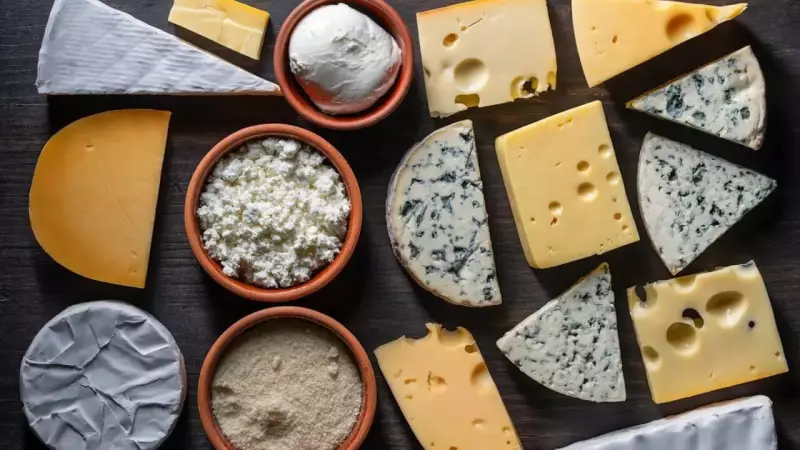
For decades, cheese has occupied a controversial spot on our plates. Praised as a rich source of calcium for bones and muscles, it is also often criticised for its high saturated fat and salt content. Yet, for countless food lovers, its creamy allure is irresistible. Now, a groundbreaking long-term study offers cheese enthusiasts a compelling new reason to savour their favourite dairy delight: it might be a guardian for your brain.
The Landmark Study: Tracking Diets for a Quarter-Century
Published in the prestigious journal Neurology, this extensive research followed the dietary habits and health outcomes of nearly 27,700 adults over 25 years. Conducted by scientists at Sweden's Lund University, the study began with participants averaging 58 years of age. They meticulously reported their dairy consumption, allowing researchers to analyse the link between specific dairy products and the development of dementia later in life.
The findings challenge conventional wisdom about saturated fat. Individuals who consumed at least 50 grams of high-fat cheese daily – equivalent to about two slices of cheddar or Brie – showed a 13% lower risk of developing dementia compared to those who ate minimal amounts. The study defined high-fat cheese as varieties containing more than 20% fat, such as Gouda and similar types.

Notable Results for Vascular Dementia and Cream
The protective association appeared even stronger for vascular dementia, which is linked to blood flow problems in the brain. Here, regular high-fat cheese consumers enjoyed a 29% lower risk. The research also highlighted a benefit from cream. Participants who had 20 grams or more of high-fat cream daily (roughly one and a half tablespoons) saw a 16% reduced risk of dementia versus those who avoided it.
However, the study presented a crucial caveat: this protective effect was not universal across all dairy. No significant link was found between dementia risk and the consumption of:
- Low-fat cheese
- Low-fat cream
- Milk (including full-fat)
- Butter
- Fermented milk products like yogurt and kefir
An additional intriguing finding was that the reduced Alzheimer's risk associated with high-fat cheese was primarily observed in individuals without the APOE e4 gene variant, a known genetic risk factor for the disease.
Why Could Cheese and Cream Be Brain-Boosters?
Researchers propose several theories to explain these surprising correlations. Cheese is a complex food, packed with protein, calcium, vitamin K2, and B vitamins, all contributing to overall bodily health. The fermentation process creates bioactive compounds that may reduce inflammation and support vascular health, which is critical for a healthy brain. Furthermore, people who regularly include whole-food cheese in their diet might follow a generally better dietary pattern, indirectly benefiting cognitive function.
Despite the promising data, scientists are quick to warn against viewing cheese as a miracle cure. The study's lead authors emphasise that their work demonstrates an association, not causation. It does not prove that eating cheese directly prevents dementia. Lifestyle factors like physical activity, smoking status, blood pressure control, and management of diabetes play enormous roles in determining dementia risk.
Expert Advice for Brain-Healthy Living
So, what should you do with this information? Nutrition experts and neurologists suggest a balanced, holistic approach:
Enjoy high-fat cheese in moderation as part of a varied and nutrient-rich diet. Do not fixate on it as a single solution. Instead, adopt proven dietary patterns known to support brain health, such as the Mediterranean or MIND diets, which emphasise fruits, vegetables, nuts, fish, and whole grains.
Most importantly, do not neglect the foundational pillars of health: maintain healthy blood pressure, cholesterol, and blood sugar levels; engage in regular physical activity; ensure quality sleep; and foster strong social connections. These remain the most well-evidenced strategies for reducing the risk of cognitive decline as we age.

This 25-year research adds a fascinating layer to our understanding of diet and brain health, suggesting that for cheese lovers, mindful enjoyment could be part of a smart, long-term wellness plan.





