

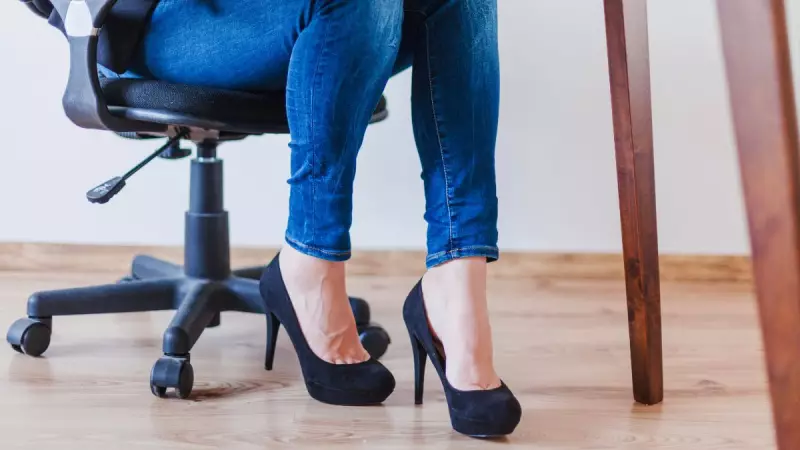
For many, high heels are a staple of fashion and professional attire, but medical experts are raising a red flag about their long-term impact on spinal health. A growing body of evidence suggests that regular use of stilettos and pumps can lead to significant postural changes, chronic pain, and even permanent damage to the spine's structure.
The Hidden Mechanics of Pain: How Heels Alter Your Body
When you slip on a pair of high heels, your body undergoes a dramatic mechanical shift. Dr. Garima Anandani, a leading spine specialist, explains that heels force the body's weight onto the forefoot, disrupting the natural alignment from the feet all the way up to the neck. This causes the pelvis to tilt forward, the lower back to arch excessively (a condition called hyperlordosis), and the upper body to lean back to compensate for balance.
This unnatural posture places immense strain on the lumbar spine, the vertebrae in the lower back. Over time, the muscles, ligaments, and joints in this area are forced to work overtime to maintain stability, leading to fatigue, inflammation, and pain. The calf muscles also become permanently shortened and tight, which can cause discomfort even when walking barefoot.

Beyond Backache: The Cascade of Health Issues
The consequences of habitual high heel wear extend far beyond simple backache. Orthopedic experts link them to a range of musculoskeletal problems.
- Increased Risk of Osteoarthritis: The abnormal pressure on knee joints can accelerate wear and tear, leading to early-onset osteoarthritis.
- Plantar Fasciitis and Foot Deformities: The cramped toe box and elevated heel can cause bunions, hammertoes, and severe heel pain from inflamed plantar fascia.
- Balance and Fall Hazards: High heels significantly impair balance, increasing the risk of ankle sprains, fractures, and falls, which can have devastating consequences, especially for older adults.
- Chronic Postural Dysfunction: The body can adapt to this altered posture, making it difficult to stand correctly even without heels, leading to a permanent slouch or swayback.
Finding a Balance: Expert Recommendations for Safer Wear
Doctors are not demanding a complete ban on high heels but strongly advocate for mindful and limited use. Dr. Anandani emphasizes that moderation is key and suggests treating high heels like "occasional treats," not daily footwear. For those who must wear them for work or special events, experts offer several practical tips to mitigate damage.
Choosing a lower heel height, ideally below two inches, can drastically reduce spinal strain. Opting for heels with a broader base or a wedge design offers better stability and distributes weight more evenly than stilettos. Using cushioned insoles or gel pads in the ball of the foot can provide shock absorption.
Perhaps the most crucial advice is to perform regular stretching exercises for the calves, hamstrings, and lower back to counteract the tightening effects. Taking breaks throughout the day to remove heels and walk barefoot on a flat surface allows the body to reset to its natural alignment.
The ultimate recommendation is to prioritize comfort and support in everyday footwear. Investing in well-designed flats, supportive sneakers, or shoes with arch support can preserve spinal health in the long run. The fashion industry is also responding with more stylish options that do not compromise on ergonomics, proving that looking good does not have to come at the cost of feeling good.
In conclusion, while high heels may offer a temporary boost in height and confidence, the potential long-term cost to spinal integrity is substantial. By making informed choices, limiting wear time, and prioritizing supportive footwear, individuals can protect their posture and avoid chronic pain, ensuring their backbone remains strong for years to come.






