

Health Experts Issue Warning on Holi Colors for Skin After Cosmetic Treatments
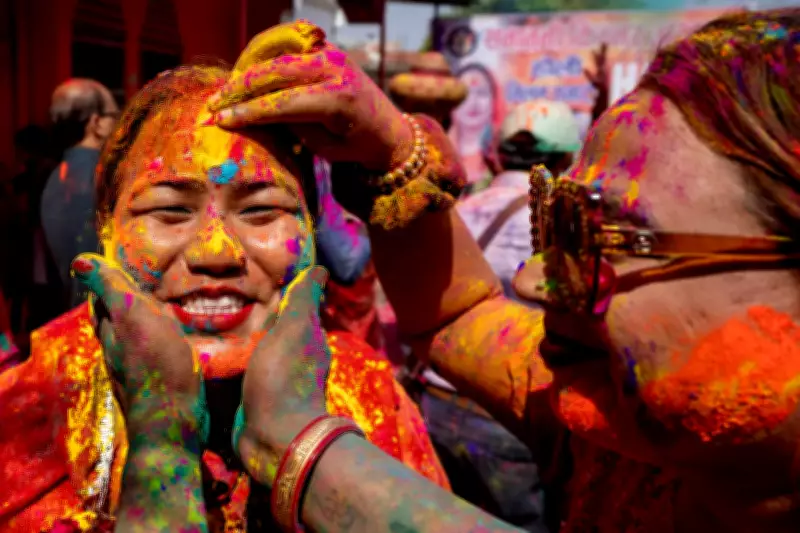
With the vibrant festival of Holi approaching, health experts are urging individuals with skin conditions or those who have recently undergone specific skincare and cosmetic procedures to exercise heightened caution. The festive colors, particularly synthetic varieties, can exacerbate skin sensitivity, leading to potential adverse reactions.
Risks for Post-Procedure Skin
Plastic and cosmetic surgeon Dr. Jayant Kumar Dash highlighted that during the healing phase following treatments such as laser hair reduction, carbon laser facials, microneedling, hydrafacial, botox, fillers, or thread lifts, the skin becomes exceptionally vulnerable. He explained, "Colors—especially synthetic ones—can trigger allergic reactions, infections, and contact dermatitis on freshly treated skin." Dr. Dash recommended that individuals who have undergone these procedures either avoid participating in Holi festivities altogether or adopt special precautions, including shielding the skin and opting for gentle, organic colors.
Precautions for Sensitive Skin and Allergies
City-based dermatologist Dr. Satyabrata Tripathy emphasized that people with sensitive skin, acne, pimples, sunburn, eczema, and other allergies should also remain vigilant during Holi. He noted, "Some 'abir' varieties contain chemicals that do not suit the sensitive skin of certain individuals." To mitigate risks, Dr. Tripathy advised applying oil or moisturizer to the body before playing Holi and cautioned against forcefully cleaning colors with soaps, which can cause rashes or infections. He also stressed the importance of protecting the nose during celebrations.

Health Conditions and Respiratory Concerns
Dr. Dash further advised extra caution for those with pre-existing health conditions. Individuals suffering from skin and dust allergies, asthma, or other respiratory issues should preferably avoid crowded Holi gatherings where powdered colors are heavily used. He warned, "The fine color particles can easily irritate the airways and worsen respiratory symptoms." This guidance aims to prevent exacerbation of chronic conditions during the festive season.
Eye Safety Recommendations
Eye safety is another critical concern highlighted by experts. Dr. Dash recommended that people with existing eye defects or sensitivities use glasses instead of contact lenses while playing Holi. He explained that color particles trapped between lenses and the eye surface may lead to irritation, infections, or corneal injuries, underscoring the need for protective eyewear.
Emphasis on Safe Celebration Practices
Reiterating the importance of a safe celebration, Dr. Dash emphasized choosing natural and organic colors over chemical-based ones. He stated, "Synthetic colors may contain harmful ingredients that can damage the skin. Allergic reactions, irritation, and infections are common during Holi if people are not careful." Concluding with a call to action, he urged, "Save your skin by playing a safe Holi," promoting awareness and preventive measures to ensure a joyful yet health-conscious festival experience.






