

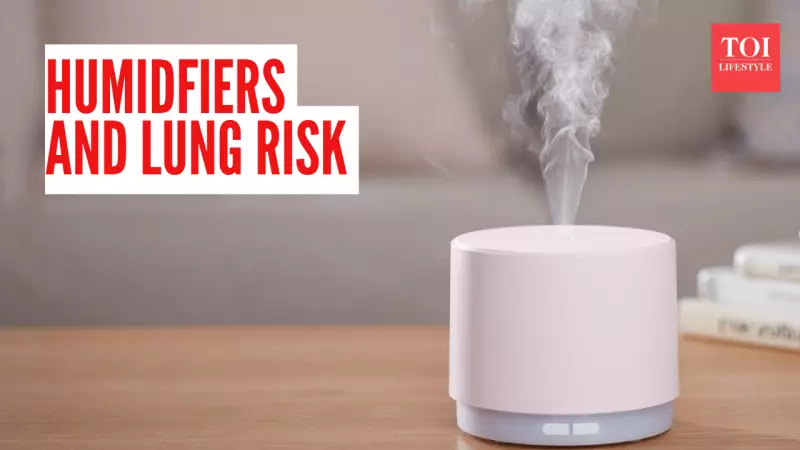
As winter's chill sets in and indoor air turns dry, many households across India reach for a trusted solution: the humidifier. These devices promise relief from scratchy throats, sinus discomfort, and dry skin. For individuals managing chronic respiratory issues like asthma or COPD, the added moisture can indeed make breathing significantly easier. However, a lesser-known but serious danger lurks when these appliances are not maintained properly—a condition medically known as 'Humidifier Lung'.
The Double-Edged Sword of Humidifiers
Humidifiers are electrical appliances designed to boost indoor humidity levels. They work by releasing water vapour into the air, counteracting the dryness caused by cold outdoor air and indoor heating systems during the winter months. This artificial moisture aims to soothe irritated airways and prevent the discomfort of a parched throat.
Yet, medical studies present a cautionary tale. The very moisture intended to provide relief can, under certain conditions, aggravate respiratory symptoms and trigger significant health complications. The core of the problem lies not in the device itself, but in how it is used and cared for.

When Relief Turns into Risk: Understanding Humidifier Lung
The primary risk emerges from improper maintenance. Standing water inside a humidifier's tank can become a fertile breeding ground for harmful microorganisms, including bacteria, fungi, and even amoeba. When the device is switched on, these contaminants are aerosolized—dispersed into the air as fine particles or droplets that are easily inhaled.
Inhaling these contaminated aerosols can lead to an inflammatory response in the lungs. This condition is termed 'Humidifier Lung', which doctors classify as a specific subtype of a broader illness known as Hypersensitivity Pneumonitis (HP). HP is a well-documented lung disease caused by repeated inhalation of various environmental antigens, with contaminated humidifier mist being a common source.
The symptoms of Humidifier Lung can be flu-like and often develop a few hours after exposure. They include:
- Persistent cough
- Shortness of breath or difficulty breathing
- Chills and fever
- Muscle aches and fatigue
- A feeling of tightness in the chest
Long-Term Consequences and Vital Prevention Steps
The dangers of Humidifier Lung extend beyond temporary discomfort. Research indicates that prolonged or chronic exposure to the triggering antigens can cause persistent inflammation in the lungs. Over time, this ongoing inflammation can lead to irreversible scarring (fibrosis) of the delicate lung tissue.
This scarring results in a chronic decline in lung function, leading to persistent breathlessness. In severe cases, Hypersensitivity Pneumonitis has been linked to complications like pulmonary hypertension and can even progress to respiratory failure.
The good news is that this serious health risk is largely preventable with diligent care. Experts strongly recommend the following practices to use your humidifier safely:
- Clean Regularly and Thoroughly: Empty, rinse, and dry the humidifier tank daily. Perform a deep clean with a vinegar solution or manufacturer-recommended disinfectant at least once a week to kill any microbial growth.
- Use Clean, Distilled or Demineralized Water: Tap water contains minerals that can promote bacterial growth and create white dust. Using distilled water minimizes this risk.
- Control Humidity Levels: Aim to keep indoor humidity between 30% and 50%. Levels higher than this create an ideal environment for mould and dust mites to thrive. Use a hygrometer to monitor levels.
- Change Water Daily: Never let water sit in the tank for more than 24 hours. Always start with fresh water.
- Follow Manufacturer Instructions: Replace filters as recommended and adhere to all maintenance guidelines provided with your specific model.
By understanding the potential hazards and committing to simple maintenance routines, you can ensure your humidifier remains a source of comfort, not a catalyst for a debilitating lung condition. This winter, breathe easy by keeping both your air and your humidifier clean.






