

Hyderabad Doctors Sound Alarm Over Sharp Rise in 'Virtual Autism' Cases
Medical professionals across Hyderabad are raising urgent concerns about a dramatic increase in cases of what they term 'virtual autism' among young children. This condition, largely attributed to excessive screen exposure and shifting environmental factors, presents symptoms strikingly similar to autism spectrum disorder (ASD) but stems from different causes.
Epidemic Proportions: Three to Four Times More Cases
Paediatricians and neurologists report that hospitals are now witnessing three to four times more cases of this condition, particularly affecting younger children. The symptoms include delayed speech development, poor eye contact, reduced social interaction, and noticeable behavioural changes. These manifestations mimic traditional autism but are triggered primarily by environmental factors rather than genetic predisposition.
"While the exact cause of autism remains incompletely understood, we're seeing environmental factors like excessive screen time become major contributors," explained Dr. Lokesh Lingappa, a neurologist at Yashoda Hospital. "Genetics play a role, but the environmental component has become increasingly significant."

The Screen Time Connection: A Pandemic Legacy
Dr. Lingappa cited a concerning case involving a three-year-old boy from Kacheguda who developed symptoms after prolonged isolation and excessive screen exposure. With both parents working and minimal social interaction available, the child reportedly spent extensive hours on electronic devices.
"We're encountering children who use screens for eight or more hours daily," Dr. Lingappa noted. "This prolonged exposure directly affects brain development and neural connections. The surge in such cases has been particularly noticeable following the Covid-19 pandemic."
Changing Family Structures Compound the Problem
Doctors identify evolving family dynamics as another significant contributing factor. "With the prevalence of nuclear families and dual-income households, children increasingly turn to screens for engagement and entertainment," stated Dr. Dinesh Kumar, a neurologist at Gandhi Hospital.
He contrasted this with previous generations: "Earlier, joint families provided natural social environments where children interacted regularly with extended family. Today, we're observing declining emotional bonding and reduced interpersonal interaction."
Digital Dependency Impacts Cognitive Development
According to Dr. Hemnath S, a neurologist at Osmania General Hospital, constant digital exposure is compromising children's ability to think independently and develop naturally.
"Children are being fed complete information without requiring imagination or exploration," he explained. "This disrupts natural brain development pathways and negatively impacts communication skills, decision-making abilities, and creative thinking."
Hope Through Early Intervention
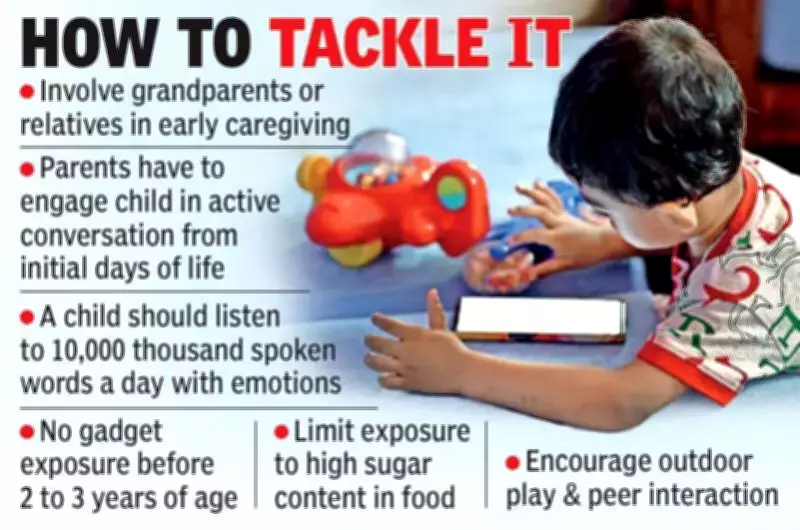
Despite the alarming trends, medical experts emphasize a crucial distinction: unlike traditional autism spectrum disorder, 'virtual autism' is potentially reversible with timely and appropriate intervention. However, they caution that simply reducing screen time is insufficient.
Dr. Pratima Giri, a consultant developmental paediatrician at Rainbow Children's Hospitals, detailed effective approaches: "Early interventions including behavioural therapy, communication training, and sensory integration can significantly improve outcomes. Structured social interaction and professional counselling are equally crucial components of recovery."
She also issued an important warning against unproven treatments: "Regulatory bodies have specifically discouraged therapies like stem cell treatment for autism due to insufficient evidence. Families should pursue evidence-based approaches under medical supervision."

Call for Awareness and Balanced Environments
With cases continuing to rise, Hyderabad's medical community stresses the urgent need for greater public awareness, timely intervention strategies, and creating balanced environments that safeguard children's developmental health. As World Autism Day approaches on April 2, this issue takes on added significance for families and healthcare providers alike.
The consensus among experts is clear: addressing 'virtual autism' requires a multifaceted approach combining reduced screen exposure, enhanced social interaction, professional therapeutic support, and conscious parenting in our increasingly digital world.





