We have all seen them. Circles of people in parks and gardens at sunrise, laughing in unison as if life is a riot, but actually at nothing in particular. Now, some are skipping the giggles and gathering in cafes, pubs, and community halls to do the opposite—or rather, the one thing we have been told not to do in public: cry. This is India's latest group ritual where laughs are swapped for tears and the open sky for a cozy room, where one can sob until the heaviness lifts and walk out feeling lighter.
The Rise of Group Crying Sessions
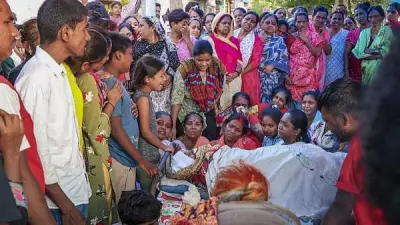
In cities like Mumbai, Delhi, and Bengaluru, organized crying groups are becoming a trend. Participants pay a small fee to join a session led by a facilitator who guides them through emotional release. The sessions often start with breathing exercises or a short meditation to help participants connect with their feelings. Then, without judgment, everyone is encouraged to let the tears flow.
Why Cry Together?
Proponents say crying in a group creates a safe space for vulnerability. In a society where emotional expression is often suppressed, especially for men, these gatherings offer a rare opportunity to release pent-up emotions. The shared experience fosters a sense of community and reduces the stigma around mental health struggles.

What Happens in a Session?
Typically, a session lasts about an hour. Soft music may play in the background, and tissues are provided. Participants are invited to share their reasons for crying—breakups, work stress, grief, or just the weight of everyday life—but sharing is optional. The focus is on the act of crying itself, not on storytelling. After the crying period, there is often a brief debrief where people can talk about how they feel.
The Science Behind Crying
Research shows that crying can release stress hormones and toxins from the body, and it triggers the production of endorphins, the body's natural feel-good chemicals. This explains why many report feeling calmer and more relaxed after a good cry. Group crying amplifies this effect through social bonding and empathy.
Not Just a Fad
While the trend may seem unusual, it reflects a growing awareness of mental health in India. With rising stress levels and loneliness, people are seeking alternative therapies. Group crying is not meant to replace professional help but serves as a complementary practice for emotional hygiene.
How to Join or Start a Group
Interested individuals can find groups through social media platforms like Instagram and Facebook, where organizers post event details. Some cafes and wellness centers now host regular crying circles. For those who want to start their own, facilitators recommend setting clear ground rules: no judging, no unsolicited advice, and complete confidentiality.
As one participant from Mumbai said, 'I came in with a heavy heart and left feeling like a weight had been lifted. It's strange but beautiful to cry with strangers who understand without words.'
So, if you ever feel the need to let it all out, remember: in India's newest group ritual, tears are not just allowed—they are celebrated.