

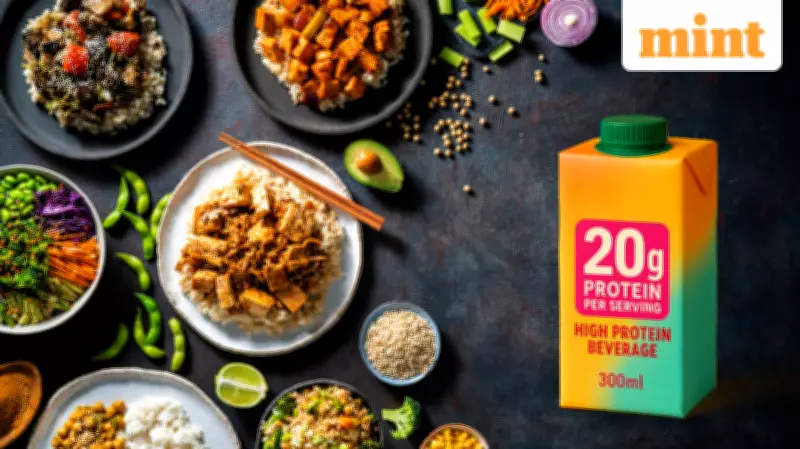
India's Protein Revolution: From Gym Supplement to Daily Dietary Staple
For generations, discussions about protein in India were largely confined to bodybuilding circles and clinical nutrition consultations. Today, this essential nutrient has broken free from its specialized niche to become a central component of the Indian diet across all demographics. From teenagers experiencing growth spurts to women in their 40s monitoring daily intake and elderly individuals seeking muscle maintenance, protein has transformed from supplement to necessity.
The Driving Forces Behind India's Protein Awakening
This dietary transformation is being propelled by multiple factors. The post-pandemic emphasis on preventive wellness has created a health-conscious population, while digital-native generations are driving demand through increased nutritional awareness. From Mumbai's corporate boardrooms to the rapidly developing streets of Tier-2 cities, protein is shedding its specialized label and becoming an everyday essential.
Current industry projections reveal the scale of this shift. The broader protein market is estimated to reach USD 1.52 billion by 2025, with forecasts predicting growth to USD 2.08 billion by 2030. This represents a steady Compounded Annual Growth Rate (CAGR) of 6.5 percent, indicating sustained momentum in the coming years.

Beyond Bodybuilding: The Science of Protein Consumption
As Indian consumers become increasingly health-literate, there's growing recognition that protein serves purposes far beyond muscle building. The nutrient's rise is anchored in biological necessity, playing crucial roles in immune function, tissue repair, metabolic processes, and nutrient transportation throughout the body.
"Protein has become mainstream now, with everyone from senior citizens to children discussing their daily protein requirements," emphasized Jayen Mehta, Managing Director of Amul (GCMMF).
This conversation extends beyond theoretical discussions. Approximately 74 percent of Indian consumers actively seek health claims on product packaging, with protein content ranking as a primary consideration. The expanding fitness infrastructure supports this shift, with India's gym count reaching 64,148 establishments in 2023.
Addressing India's Dietary Protein Gap
The mindset transformation is significant. Consumers aren't purchasing protein products primarily to achieve athletic physiques but rather to support healthy aging and maintain resilience. One fundamental driver is the nature of traditional Indian cuisine.
"While Indian food ranks among the world's most flavorful cuisines, its protein content is relatively low," explained Krutin Chaturvedi, Director of Halewood Laboratories. "Vegetarian diets, followed by 36-38 percent of Indians, tend to be carbohydrate-heavy rather than protein-rich. This creates the need for supplemental protein sources like powders and beverages."
Specialized high-protein products have emerged as crucial support systems, enabling Indians to actively manage their nutritional health through convenient formats.
The Beverage Revolution: Convenience Meets Nutrition
While protein powders remain popular staples, the most dynamic growth segment involves functional and fortified beverages. In 2023 alone, functional drink volumes reached an impressive 17.4 billion liters, capturing investor attention and attracting major FMCG players.
The appeal of ready-to-drink protein beverages is multifaceted. Convenience ranks as the primary advantage, followed by precise dosage control and improved taste profiles. Unlike powders requiring measurement and mixing, pre-formulated beverages eliminate preparation hassles while ensuring consistent nutritional delivery.
"Convenience drives the growing popularity of ready-to-drink protein beverages, followed by dosage accuracy and superior taste," Chaturvedi elaborated.
Nutritional beverages operate in a fundamentally different market than traditional carbonated drinks. While soda products compete in high-volume, low-margin environments, protein beverages offer premium positioning with strong consumer loyalty. Globally, 59 percent of supplement consumers prefer liquid formats, citing on-the-go practicality and digestive ease as key factors.

Industry Leaders Spearheading the Protein Movement
The protein market expansion is being driven by a diverse mix of established corporations and innovative newcomers. Amul, India's dairy giant, is leveraging its extensive milk resources to make high-protein nutrition accessible to mass markets through value-oriented pricing.
The company has introduced numerous high-protein products including shakes, yogurts, and most recently, a high-protein atta launched in early February. "A 165-gram sachet of our atta contains 20 grams of protein," Mehta revealed. "Beyond selling products, we're promoting the concept that individuals need approximately one gram of protein per kilogram of body weight daily."
Meanwhile, innovative brands like Halewood are creating specialized niches with products like their Pro-rush beverage range, which delivers 10-15 grams of protein in convenient 200ml Tetra Pak packaging.
Challenges and Opportunities in India's Protein Landscape
Despite impressive momentum, the protein industry faces significant hurdles. Supply chain management, ingredient sourcing, balancing high protein content with palatable taste, and maintaining quality standards present particular challenges for smaller brands and new market entrants.
"As the protein category accelerates, having comprehensive expertise—from ingredient behavior and powder formulation to advanced processing technologies and effective packaging solutions—is absolutely critical," emphasized Cassio Simoes, Managing Director of Tetra Pak South Asia. "We've collaborated with numerous brands to co-develop high-protein formulations, with many products already in markets and additional innovations in development."
India's protein gap remains a persistent reality, with price sensitivity representing the primary barrier to mass adoption. To achieve its USD 2 billion potential, the industry requires public-private collaborations to enhance quality, affordability, and safety standards.
Research and development initiatives, such as the Centre for Smart Protein & Sustainable Material Innovation launched in 2024, are exploring plant-based and alternative protein sources, creating vast innovation opportunities. For brands that successfully balance functionality with flavor, and premium quality with portability, the rewards promise to be as substantial as the nutritional benefits they deliver to consumers.
India's protein moment has unequivocally arrived, marking a fundamental shift in the nation's dietary consciousness and creating unprecedented opportunities in the health and wellness sector.





