

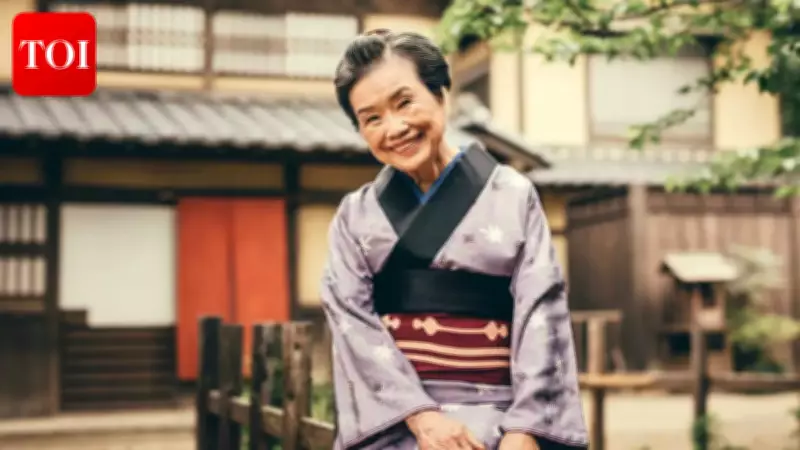
Unlocking Japan's Longevity: Ancient Practices for Modern Health
It is widely recognized that Japan consistently ranks among the nations with the highest life expectancy globally. This remarkable achievement is not merely a coincidence or solely attributable to advanced genetics and healthcare infrastructure. While these factors undoubtedly contribute, the primary driver lies in the Japanese way of living—a holistic approach deeply embedded in ancient wisdom, mindful daily habits, and profound cultural reverence.
From the ceremonial preparation of matcha to the use of rice-water in beauty regimens, numerous Japanese practices have already permeated global wellness routines. Let us delve deeper into these time-honored secrets that promise a longer, more fulfilling life.
Hara Hachi Bu: The 80% Full Rule
The Japanese population adheres to a 300-year-old dietary principle known as Hara Hachi Bu. This concept instructs individuals to cease eating when they feel approximately 80 percent full. The rationale is straightforward: the stomach requires roughly twenty minutes to signal satiety to the brain. By eating slowly, placing utensils down between bites, and chewing thoroughly, one can prevent overeating. This mindful eating practice encourages a deliberate pace, fostering better digestion and weight management.

Ikigai: Finding Your Purpose
Ikigai is a Japanese philosophy that translates to "a reason to get up in the morning." Possessing a clear sense of purpose, whether grand or modest, is strongly correlated with enhanced health and happiness. Studies link Ikigai to reduced stress levels, lower incidence of depression, and improved cardiovascular health. The purpose need not be monumental; even a cherished hobby or a personal passion can fuel resilience and overall well-being.
Karada o Ugokasu: Embrace Movement
This Japanese phrase simply means "move the body." Humans are not designed for prolonged sedentary behavior; movement is an intrinsic part of life. This does not necessitate rigorous gym sessions or intense fitness regimens. Simple activities like walking, dancing, or gardening are entirely sufficient and contribute significantly to physical health and vitality.
Shinrin-yoku: The Art of Forest Bathing
Shinrin-yoku, or "forest bathing," is a Japanese ritual centered on immersing oneself in nature. The practice is not about hiking for exercise but about being present in natural surroundings. Spending time outdoors, such as taking a leisurely walk among trees for twenty to thirty minutes, can effectively lower stress, enhance immune function, and elevate mood.
Ofuro: The Ritual of Bathing
Ofuro refers to the traditional Japanese bathtub, and taking an evening bath is a cherished ritual in many households. Enjoying a relaxing hot bath at day's end helps calm the nervous system, alleviate stress, and promote restful sleep, contributing to overall mental and physical recovery.
Sencha: The Green Tea Elixir
Sencha, a type of Japanese green tea, is an integral component of daily life. Many Japanese individuals prefer this beverage over sugary alternatives, consuming it multiple times a day. Rich in catechins, Sencha offers anti-aging properties, improves skin health, and may reduce the risk of heart disease, making it a cornerstone of preventive health.
Zazen: Seated Meditation for Inner Peace
Zazen, the core practice of Japanese Sōtō Zen Buddhism, is a seated form of meditation. Accessible to all, it involves sitting quietly without engaging in other activities. By focusing on the present moment and letting go of past regrets or future anxieties, this thousand-year-old tradition cultivates mindfulness and inner tranquility, essential for emotional balance.
Incorporating these Japanese principles into daily routines can pave the way for a healthier, more balanced lifestyle, echoing the longevity and happiness observed in Japan.






