

Digital Fantasy as an Escape: The Rise of Algorithm-Driven Immersion
The alarming case of three sisters in Ghaziabad, who tragically ended their lives over a fixation with South Korea, alongside a Delhi schoolgirl's descent into psychosis linked to online gaming, highlights a pressing modern dilemma. In an era of limitless digital access, where does passionate fandom end and a dangerous break from reality begin? This phenomenon is deeply intertwined with technological advancements and shifting social dynamics.
When Fantasy Becomes an Emotional Shelter
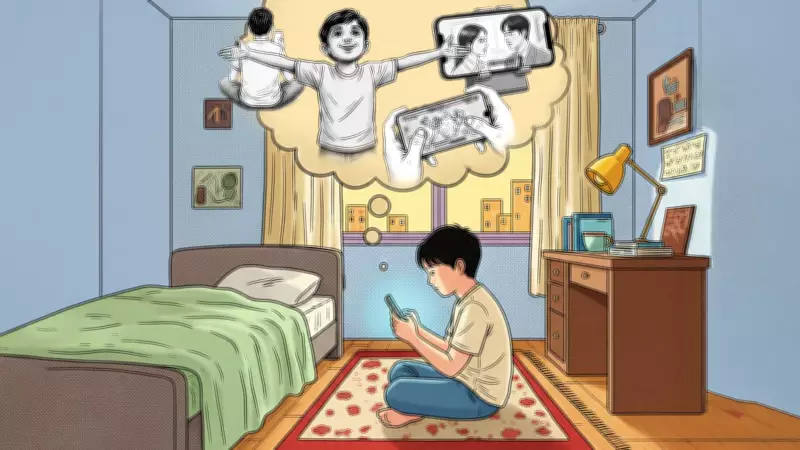
For vulnerable children, digitally mediated fantasy worlds often transform into meticulously constructed safe havens. These spaces offer predictability, control, and emotional clarity that real life frequently lacks. Pooja Chahal, a student counsellor in Delhi, recalls a 12-year-old girl who developed auditory hallucinations amid a turbulent home environment, finding solace only in online games before requiring psychiatric intervention.
Similarly, the Ghaziabad sisters, aged 12, 14, and 16, immersed themselves in a Korean-centric universe, writing in a suicide note about their love for Koreans and rejection of Indian marriages. Their father's confiscation of their smartphones severed their connection to this alternate reality, underscoring how these digital portals can become lifelines.

Psychologists caution against oversimplifying these tragedies. Itisha Nagar, a Delhi-based child psychologist, emphasizes that the focus should not solely be on Korean dramas but on the broader contexts children navigate today. Urban living, nuclear families, academic pressures, and survival-centric parenting often leave emotional voids, driving youth toward digital escapes.
The Algorithmic Pull of K-Dramas
The entry into these fantasy worlds is frequently orchestrated by algorithms. Abhyudaya Karamchetu, a public relations professional from Hyderabad, describes how unexplained clips from the K-drama Boys Over Flowers repeatedly appeared on her Facebook feed around 2018, sparking curiosity that led to deep immersion. Today, such content is easily accessible through apps with community-powered subtitles, making binge-watching seamless.
K-dramas are structurally designed for emotional engagement. Typically limited to 16 episodes, they feature professional female leads and male characters who exhibit restrained authority, fostering narratives of mutual respect. Jagadeesh Reddy, a cultural observer, notes that Korean content is part of a strategic soft power ecosystem, integrating music, drama, food, and beauty to create multiple emotional entry points.
Unlike Indian television's long-running family conflict soaps, K-dramas target younger audiences with aspirational, tightly written arcs that resonate with Indian youth facing social comparison and limited emotional vocabulary.
Technological Shifts and Parasocial Relationships
The proliferation of affordable smartphones and cheap data has universalized high-speed internet access. Post-pandemic, Chahal observes that nearly every child has a device, facilitating peer-influenced immersion similar to patterns seen in addiction. With parents often absent due to work, supervision dwindles, allowing children to retreat into digital worlds unchecked.
This engagement can evolve into parasocial relationships, where one-sided intimacy with media personas substitutes for real attachments. Namrata Mahajan, a counselling psychologist from Gurugram, explains that when children lack emotional safety, their survival instincts latch onto fictional characters as reliable substitutes. Abruptly removing these digital lifelines can feel catastrophic, as returning to reality becomes terrifying.
Beyond Screens: Seeking Solutions
Experts argue that addressing this issue requires emotional availability and resilience-building. Children need meaningful presence and validation beyond academic or social performance. Teaching them to navigate real-world conflicts and disappointments is crucial to preventing over-reliance on fantasy escapes.

Today's integrated digital ecosystems—blending music, television, fashion, and fandom into continuous, private experiences—make the boundary between imaginative play and emotional dependence increasingly fragile for adolescents. While older viewers may maintain boundaries, teens often blur admiration with identity, using fluency in K-culture as social currency.
This is not the first generation to seek fantasy refuges, from Dungeons & Dragons in the 1980s to anime in the 2000s. However, the current Korean wave's seamless integration across media platforms creates a comprehensive identity toolkit, distinguishing it as a deeper, more immersive phenomenon. The challenge lies in fostering healthy engagement without dismissing the cultural appeal, ensuring digital worlds complement rather than replace real-life connections.





