

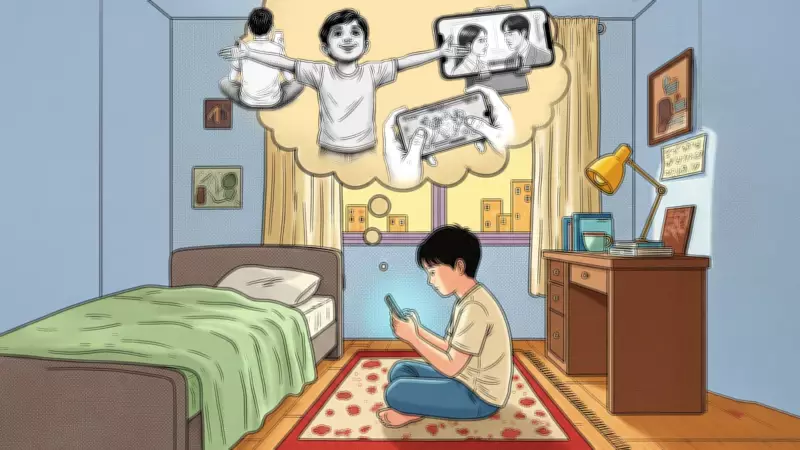
Digital Escapism: How K-Dramas and Algorithms Shape Adolescent Fantasy Worlds
The rise of digitally mediated fantasy worlds as emotional refuges for vulnerable children is intricately linked to broader technological and social shifts. Affordable smartphones and cheap data have made high-speed internet nearly universal, with post-pandemic access ensuring that, as noted by counsellor Pooja Chahal, "every child has access to a device." This accessibility has transformed how adolescents engage with content, particularly through immersive platforms like K-dramas.
When Fantasy Becomes an Emotional Shelter
For many children, these digital worlds offer a predictable and controllable space, providing emotional safety absent in real life. Namrata Mahajan, a counselling psychologist, explains that when basic safety needs are unmet, the brain seeks alternatives, leading to parasocial attachments with fictional characters or celebrities. This can escalate to where fantasy substitutes for real relationships, making everyday life overwhelming.
Recent tragedies, such as the Ghaziabad sisters who jumped from their apartment after their phones were taken away, highlight the extreme consequences. In an eight-page note, they expressed a deep connection to South Korea, writing, "Korean is our life." This case, along with others involving clinical psychosis, raises critical questions about where passionate fandom ends and a break from reality begins.

The Appeal of K-Dramas and Algorithmic Influence
K-dramas are designed for immersion, typically limited to 16 episodes that encourage binge-watching and emotional payoff. Unlike many Indian soap operas, they often feature professional women and male leads with restrained authority, fostering respect and aspiration. Abhyudaya Karamchetu, a public relations professional, recalls being drawn in by algorithm-driven clips on social media, leading to deeper engagement through community-powered subtitles.
Jagadeesh Reddy, a cultural observer, notes that Korean content is part of a strategic soft power ecosystem, integrating music, drama, food, and beauty to create multiple emotional entry points. This integrated approach, combined with targeted youth content, resonates strongly with Indian youth facing academic pressure and limited emotional vocabulary.
Technological Shifts and Emotional Voids
The phenomenon is fueled by technological advancements, with affordable devices and data plans enabling continuous access. Post-pandemic, peer influence has become a significant factor, similar to patterns seen in addiction. Chahal observes that "children hear about certain shows or games from their peers, but those at risk develop an addiction." This is exacerbated by urban living, nuclear families, and survival-centric parenting, which leave little space for emotional presence.
Psychologist Itisha Nagar cautions against simplistic explanations, emphasizing the need to consider broader contexts. "The problem begins when we look for a single cause," she says, pointing to factors like social media exposure and sedentary lifestyles that drive children toward digital escapes.
Beyond Screens: Seeking Solutions
Experts argue that the solution lies in emotional availability and resilience-building. Children require meaningful time and presence to feel valued beyond performance. Abruptly cutting off digital worlds can feel catastrophic, as Mahajan explains: "It's almost like a crisis for that person because that child is so used to that ideal world that coming back to the real self is really very terrifying."
This is not the first generation to seek fantasy refuges, but the current wave is distinguished by its integration into a seamless digital ecosystem. Today's adolescents navigate a world where music, television, fashion, and fandom collapse into a single emotional environment, accessed privately through personal screens. For older viewers, immersion may remain bounded, but for adolescents, the boundary between admiration and identity is more porous, making emotional dependence a fragile reality.

In conclusion, understanding digital escapism requires a holistic view of technological, social, and emotional factors. As children retreat into fantasy worlds for solace, it underscores an urgent need for policies and parenting approaches that address loneliness and provide emotional support in an increasingly digital age.





