

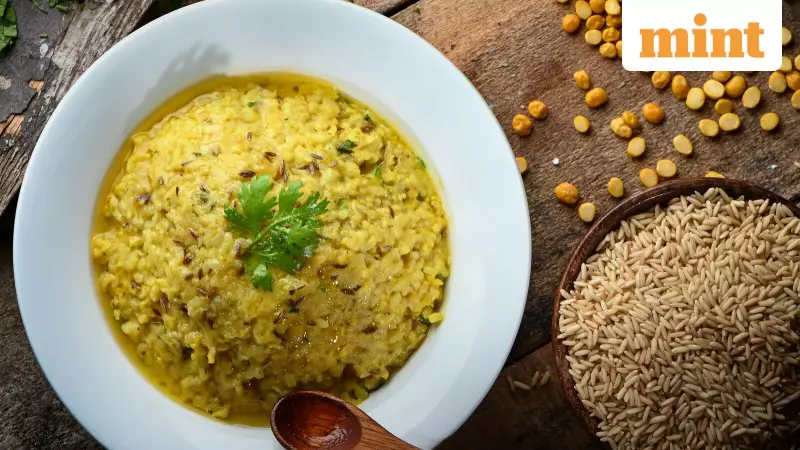
In countless North Indian households, the arrival of Makar Sankranti is heralded by the comforting aroma of khichdi simmering on the stove. This humble dish, often prepared with seasonal winter vegetables like carrots, peas, and radish or a blend of lentils, transcends its festive role as a harvest celebration. It is deeply rooted in a health tradition believed to fortify the body and bolster immunity during the seasonal transition. While the global wellness industry now labels it as vegan, gluten-free, and anti-inflammatory, Indians have instinctively turned to khichdi for nourishment for generations.
The Science of a Simple Reset: Why Khichdi Works
Khichdi acts as the gentlest possible reset for both the digestive system and the nervous system. Clinical nutritionist Himani Jariwala, founder of Victrio Nutrition in Mumbai, clarifies the immediate sense of relief it provides. She explains that khichdi is a complete, holistic meal, whereas popular items like kombucha and probiotics are supplements. "They can work together sometimes, but they cannot replace each other. Khichdi gives the gut rest rather than stimulation," Jariwala states. After festivals or celebrations, she notes, it is the ideal choice for a gut reset.
The magic lies in its perfect composition. "Khichdi works because it is the perfect combination of easy digestion, steady energy, hydration, anti-inflammatory spices and gut-friendly fibre — all warm and gentle," Jariwala adds. The emotional comfort it provides is underpinned by solid metabolic science. It is a complete protein meal because lentils contain lysine, while grains provide sulphur-based amino acids like methionine and cysteine. Together, they deliver all nine essential amino acids.

Making healthier tweaks to the classic recipe is straightforward:
- Replace white rice with millets or dalia (cracked wheat).
- Incorporate more vegetables to boost fibre and micronutrients.
- Add paneer, yoghurt, lean meats, or tofu for increased protein.
Ayurvedic Wisdom Meets Modern Detox
Long before the term "biohacking" entered the lexicon, Ayurveda was restoring digestive balance with khichdi. "Khichdi is such a balanced meal," says Mumbai-based gut-health and Ayurveda coach Dimple Jangda. "It contains carbs, proteins and vegetables — everything the body needs in one pot." She observes that its power is most evident when life becomes overwhelming, either nutritionally or emotionally.
"A simple one-pot meal reduces the digestive workload by almost 50%. The liver finally gets rest and goes into detoxification mode much faster," Jangda explains. She dismisses concerns about inadequate protein, calling them misconceptions fostered by modern marketing. A simple, whole-food, plant-based one-pot meal is more than sufficient for nourishment.
This philosophy is put into practice at luxury wellness destinations like Ananda in the Himalayas, where khichdi is not merely comfort food but a therapeutic protocol. Chef Diwaker Balodi, Director of Culinary and F&B, notes the growing global focus on gut health and the gut-brain axis. "Khichdi plays an important role here as it’s both a comfort food and a therapeutic tool. We personalise even the type of khichdi, aligning it with Ayurvedic philosophy based on the guest’s dosha or body type," he says.
For guests in a detox phase, he recommends a basic version with white rice, moong dal, turmeric, ghee, and rock salt. For the restorative stage, a multigrain khichdi with millets, rice, barley, and healing spices is suggested.
From Sensory Comfort to Psychological Reset
The dish's journey from perceived "sick food" to celebrated chef's specialty highlights its evolving appeal. Kolkata-based chef Sneha Singhi points out that as people experiment with global cuisines, they crave grounding meals. "People want comfort cooked with care and khichdi gives them that — it’s light, hearty and complete." She adds that perfecting this deceptively simple dish requires technique, as building the right flavour profile is key to avoiding a mushy result.

The comfort khichdi offers is neurological, not just cultural. Clinical psychologist Rita Mendonca from Mumbai explains that an overwhelmed mind seeks predictability. "Warm, soft meals reduce sensory effort. There's nothing to chew through, nothing to decode, and so the nervous system immediately reads it as safety." Eating it slowly turns the meal into a regulation practice, giving the system a real-time experience of calm.
In times of grief, burnout, or illness, this becomes a profound form of emotional care. "Simple meals demand nothing of you — no appetite, no enthusiasm," Mendonca says. "Someone cooks khichdi for you when you cannot take care of yourself. It becomes a psychological reset." What the global wellness industry terms "functional eating" is, for India, often simply a warm, nourishing dinner that heals from the inside out.





