

Kolkata Communities Address Digital Overload in 'Let's D-Stress' Sessions
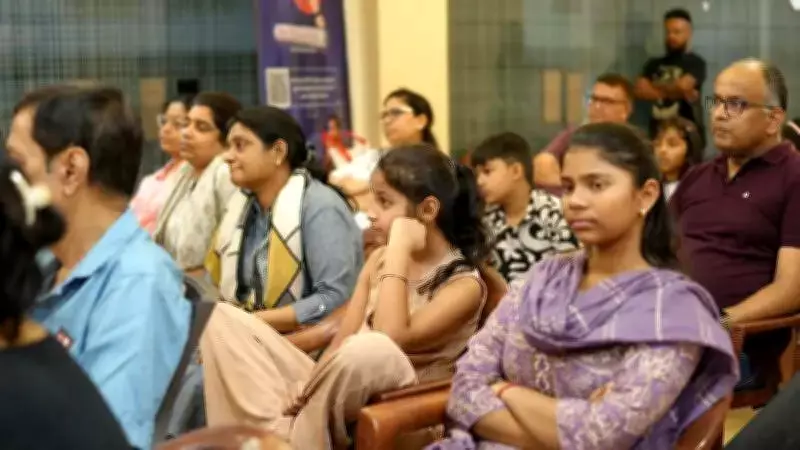
Last weekend, residents from multiple housing societies in Kolkata gathered in their shared community spaces for a conversation that resonated deeply with many – their increasing reliance on digital screens and the urgent need to restore balance in daily life. As part of The Times of India's nationwide 'Let's D-Stress' initiative, these specialist-led sessions transformed a common urban concern into an open, practical dialogue about digital overload, family habits, and mental well-being.
From Students to Professionals: A Cross-Generational Dialogue
The sessions witnessed active participation from individuals across all age groups, with discussions ranging from effective screen time management to building healthier daily routines at home. What particularly stood out was the remarkable willingness of participants to share personal experiences and listen attentively to others facing similar digital challenges.
Class VII student Mizma Rizvi posed a thoughtful question to expert Kathakoli Goswami: "Ma'am, if I use screens for simple homework assignments, will it negatively affect my ideation and creative thinking skills?" Meanwhile, Mayank Goyal, a professional working in the trading business, raised a practical concern that many working adults face: "My job requires me to be on screens constantly throughout the day. Is there a sustainable way to manage this digital exposure better without compromising my work responsibilities?"

Digital Imbalance: An Issue Affecting All Age Groups
Clinical psychologist Mandira Das emphasized the initiative's significance, stating: "'Let's D-Stress' is definitely an important and timely initiative. It opens up conversations that people are already experiencing in their daily lives but not always consciously reflecting upon. Digital imbalance is no longer just a 'young people' issue anymore. It's genuinely cutting across all age groups and demographics."
Designed as the first installment in a series of such community engagements, the initiative aims to create safe, accessible spaces where neighborhoods can collectively reflect on digital habits and collaboratively find workable, practical solutions.
Self-Assessment and First Steps Toward Balance
As part of the comprehensive program, The Times of India introduced a simple yet effective self-assessment test to help participants evaluate their personal level of screen dependence. Many attendees reported that this exercise provided valuable insights into their digital behaviors, prompting them to seriously reconsider their habits and take those crucial first steps toward cultivating a more balanced digital lifestyle.
The initiative ultimately aims to address India's rising digital stress epidemic by encouraging small yet meaningful behavioral changes in everyday life, helping individuals gradually improve their focus, emotional balance, and overall mental well-being through conscious digital consumption.






