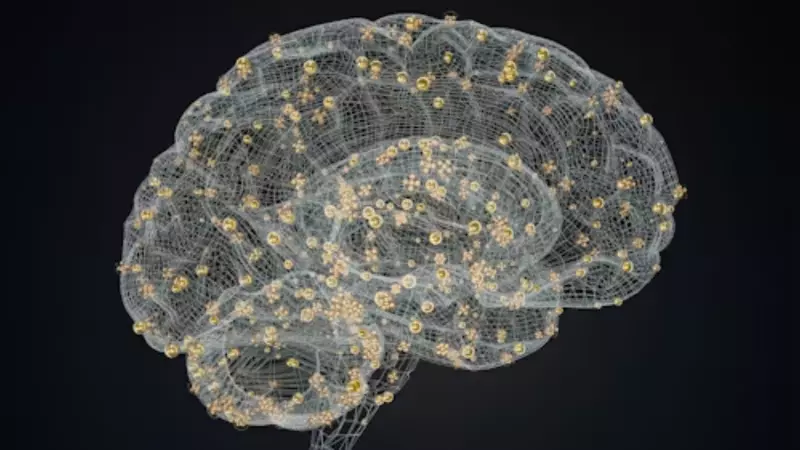
In the intricate orchestra of human health, certain minerals play starring roles, and magnesium is undoubtedly one of them. This essential nutrient is not just for bones or muscles; it is a critical conductor for your brain's symphony of functions. From the thoughts you think to the memories you hold, magnesium works behind the scenes in hundreds of biochemical reactions to keep your mind sharp and resilient.
The Multitasking Mineral: Magnesium's Central Role in Brain Function
Think of magnesium as a vital peacekeeper and facilitator within your nervous system. Its presence is fundamental for the very language of your brain: nerve signalling. This mineral acts as a gatekeeper for receptors in the brain, particularly the N-methyl-D-aspartate (NMDA) receptors, which are pivotal for learning and memory. By regulating these receptors, magnesium ensures nerve signals are transmitted efficiently and without overload, which is crucial for normal cognitive functioning.
Beyond communication, magnesium serves as a powerful shield. The brain is a hub of intense metabolic activity, which can generate cellular stress. Magnesium steps in as a protective agent, helping to guard neurons against potential damage. This dual role in both facilitating communication and providing protection makes it indispensable for overall brain resilience.
How Magnesium Supports Your Mind: From Mood to Memory
The benefits of maintaining adequate magnesium levels directly translate to tangible aspects of mental well-being. Here is how this mighty mineral supports your cognitive health:
- Mood Regulation: Magnesium influences pathways and neurotransmitters that are directly linked to mood. It helps regulate the body's stress-response system, promoting a sense of calm and balance.
- Memory Support: By aiding in nerve signal transmission and synaptic plasticity—the brain's ability to strengthen connections—magnesium is a key player in the processes of learning and memory formation.
- Nerve Health: It contributes to the general maintenance and health of nerve cells, ensuring the entire network functions smoothly.
These interconnected roles mean that a deficiency can subtly undermine your mental edge, while optimal levels help fortify your mind's defences and capabilities.
Ensuring Your Brain Gets Its Magnesium Share
Given its profound importance, paying attention to magnesium intake is a smart move for brain health. The mineral is found abundantly in foods like green leafy vegetables (spinach, kale), nuts and seeds (almonds, pumpkin seeds), legumes, and whole grains. For many, a balanced diet provides sufficient amounts, but factors like stress, certain medical conditions, or poor dietary choices can lead to sub-optimal levels.
The takeaway is clear: magnesium is non-negotiable for a healthy brain. It is the unsung hero in nerve signalling, a guardian against cellular stress, and a foundational pillar for cognitive tasks we perform every day. Supporting your brain with adequate magnesium is a simple yet profound step towards sustaining mood, sharpening memory, and building long-term neurological resilience.