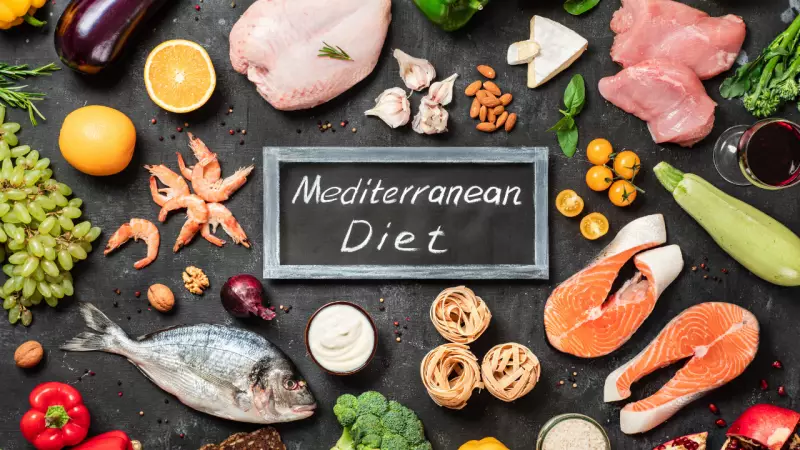
New research offers compelling evidence that embracing a Mediterranean-style diet could be a powerful strategy for reducing the risk of developing multiple sclerosis (MS). A major long-term study has found a significant link between this eating pattern and lower odds of the neurological disorder, with the benefits being particularly pronounced for younger adults and those who do not smoke.
Key Findings from the Large-Scale Study
The investigation, which harnessed data from the extensive UK Biobank, tracked the health of over 285,000 adults who did not have MS at the start. Researchers followed this group for an average of 17.6 years. During this lengthy observation period, medical records confirmed 89 new diagnoses of multiple sclerosis.
The analysis revealed a clear protective trend. For every single-point increase in an individual's Mediterranean Diet Score—a measure of how closely they followed the diet—there was an associated 14 percent decrease in the risk of developing MS. This finding is based on an adjusted hazard ratio of 0.86. The research team took extra steps to rule out reverse causation by excluding early cases, and the protective association remained strong.

Who Benefits the Most?
The study uncovered that the magnitude of benefit was not uniform across all groups. The most substantial effects were observed in specific demographics.
Nonsmokers gained the greatest advantage, experiencing a remarkable 26 percent drop in MS risk for each point gained on the diet score. Furthermore, the diet appeared to have its strongest impact earlier in life. Adults under the age of 45 saw a 23 percent reduction in risk per score point increase. This suggests that dietary choices made in younger adulthood may be especially critical for long-term neurological protection. These results held firm even after accounting for factors like age, sex, and physical activity.
The Science Behind the Protection
Why does the Mediterranean diet show such promise? Nutrition scientists point to its rich composition of anti-inflammatory and antioxidant compounds. The diet is abundant in fruits, vegetables, fish, nuts, and olive oil, while limiting red meat and processed foods.
This combination of foods is believed to help in several ways that are relevant to MS. It can limit damage to the small blood vessels in the brain, a factor known to influence MS progression. Simultaneously, it tackles oxidative stress and supports a healthy balance of gut microbes, which is increasingly understood to play a role in immune system regulation. Previous studies on people already living with MS have shown that adopting this diet is associated with less disability and fewer disease flare-ups.
How to Adopt the Diet: Simple Swaps for Indian Kitchens
Incorporating the principles of the Mediterranean diet into daily life does not require a complete culinary overhaul. The study proved that even small, consistent improvements can yield real gains. Here are practical, achievable steps:
- Swap red meat for fatty fish like salmon or mackerel at least twice a week.
- Pile your plate with colourful fruits and vegetables at every meal.
- Use extra virgin olive oil as your primary cooking fat and for dressing salads.
- Choose whole grains such as brown rice, quinoa, or whole wheat over refined versions.
- Enjoy a daily handful of nuts like almonds or walnuts as a healthy snack.
Building meals around plants is key. Think grilled fish with a quinoa salad, a spinach salad topped with olives and chickpeas, or yogurt with fresh berries and slivered almonds. Limiting sweets and highly processed foods can also quickly boost your diet score.

Supporting Evidence and Long-Term Outlook
This new study is not an isolated finding. Other research reviews reinforce the trend. One analysis of over 1,100 MS patients found the Mediterranean diet was tied to 31 percent fewer relapses and lower disability scores. Another study focusing on younger populations linked higher fibre intake from these foods to a 37 percent lower odds of MS, likely mediated through beneficial changes in gut bacteria.
While experts always call for more clinical trials, the steady accumulation of positive data across different age groups makes a compelling case for adopting this eating style. The long-term outlook is promising: adopting this pattern early could meaningfully shift odds for young adults, the demographic most often diagnosed with MS. Beyond MS prevention, the diet offers wide health perks including better heart health and weight management, and it can be adapted to fit most lifestyles and budgets without significant extra cost.
Nutritionists frequently recommend it as a safe and effective first step for supporting overall brain health. Tracking your food choices in a simple log can help you see your diet score climb and feel the positive differences in energy and clarity that many who try it report.