

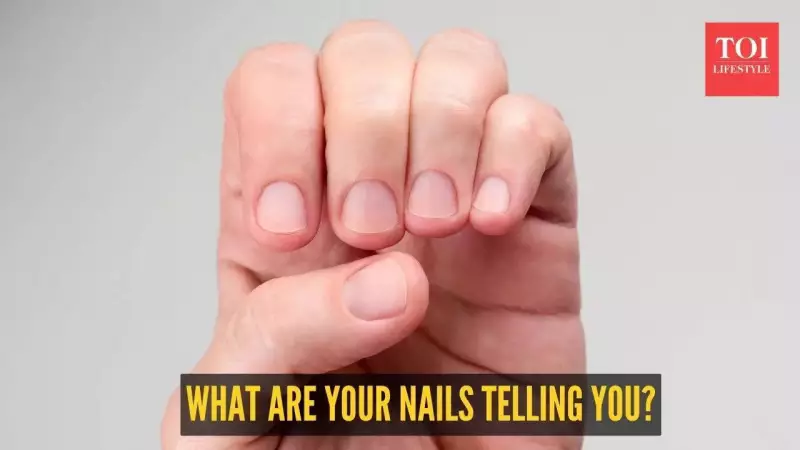
We paint them, bite them, and decorate them, often treating our nails as mere fashion accessories rather than windows into our health. Yet these protective keratin shields at our fingertips are living indicators, shaped by every nutrient we consume, every habit we maintain, and every internal bodily change.
The Hidden Language of Your Nails
Nails consist primarily of keratin, an incredibly tough protein that safeguards our finger and toe tips from daily trauma. The visible nail plate emerges from the nail matrix, while the half-moon shaped lunula at the nail's base serves as the growth center, producing keratinized cells that harden into the protective nail plate. The cuticle acts as a security barrier, preventing bacteria, fungi, and other pathogens from entering the nail apparatus.
Critical Nail Conditions You Should Never Overlook
Clubbing: When fingertips appear enlarged or bulging and nails seem to float rather than sit firmly, this phenomenon known as clubbing indicates serious underlying health issues. The nail beds soften, and nails curve around fingertips, often signaling chronically low oxygen levels in the blood.

A study published in Canadian Respiratory Journal discovered that clubbing in patients with interstitial lung disease correlated with lower blood oxygen and higher serum KL-6 levels, a marker for lung injury. This condition can indicate chronic lung diseases, lung cancers, heart valve infections, liver cirrhosis, and various systemic illnesses.
White Flecks and Spots (Leukonychia): Those little white spots we often notice after manicures might seem harmless, but they warrant attention. While many attribute them to vitamin or mineral deficiencies—particularly zinc, calcium, or iron—evidence remains inconclusive.
Research in the American Journal of Clinical Dermatology indicates that although leukonychia can occasionally reveal serious systemic disease, most cases result from minor trauma to the nail matrix through nail-biting, accidental injuries, or frequent manicures rather than nutritional deficiencies. However, when entire nails or multiple nails turn white, this may signal more significant conditions including heavy-metal poisoning (lead, arsenic), chronic kidney or liver disease, diabetes, or protein-deficient states.
General practitioner Dr. Dan Baumgardt from the University of Bristol explained to BBC: "If people have low protein levels in their bloodstream it often causes the whole nail to go white. We typically associate that with liver disease, particularly cirrhosis, sometimes resulting from alcoholism."
When Color and Shape Signal Danger
Blue Nails and Dark Lines: Nails with a bluish tinge, known as cyanosis, may indicate your body isn't receiving enough oxygen. This coloration can hint at serious heart disease, emphysema, or lung failure, requiring immediate medical attention.
Similarly, dark lines or streaks beneath nails, while sometimes caused by trauma, can also warn of subungual melanoma, a rare but serious form of skin cancer developing under the nail. This typically appears as a brown or black vertical streak, commonly on the thumb or big toe.
Nail Shape Abnormalities: Healthy nails should display a gentle outward curve. However, when nails curve inward, becoming thin, brittle, or forming a bowl shape, this condition called koilonychia (spoon nails) often links to iron-deficiency anemia or malabsorption issues.
Clinical reviews confirm that koilonychia is "frequently observed in chronic iron deficiency secondary to malnutrition, chronic blood loss, or malabsorption."
Horizontal ridges across nails, known as Beau's lines, indicate a temporary pause in nail growth, typically triggered by significant illness. These may suggest insufficient protein, diabetes, or peripheral vascular disease involving reduced circulation.
Important Note: The information provided here serves educational purposes only and does not constitute medical advice. Always consult qualified healthcare professionals before starting any new medication, treatment, or changing your diet or supplement regimen.






